


The Fortress Door
The cockpit door on a modern commercial aircraft is far from an ordinary door. Following the events of September 11, 2001, aviation authorities mandated that these doors be heavily reinforced. They are now constructed from bulletproof and intrusion-resistant
materials designed to withstand significant force, including gunfire and even small explosives. This physical barrier is the first and most obvious line of defense, ensuring that unauthorized individuals cannot force their way onto the flight deck. The door is designed to remain locked for the duration of the flight, from just before pushback until the aircraft is safely at the gate at its destination.
The Digital Gatekeeper
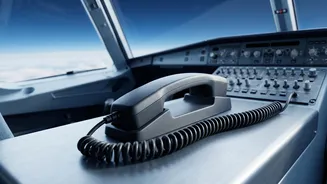
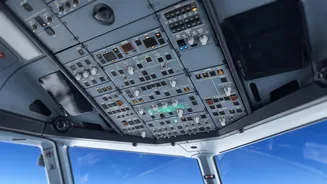
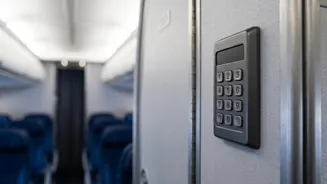
Physical strength is only part of the solution. Access is controlled by an electronic system, usually involving a keypad mounted outside the door. For routine access, such as bringing pilots meals or drinks, cabin crew use an interphone to request entry. The pilots can then visually verify who is outside using a peephole or a small camera and unlock the door with a switch inside the cockpit. However, in a potential crisis, this system has several layers of protocol. If the cabin crew needs to enter due to an emergency inside the cockpit—such as pilot incapacitation—they can enter a special emergency access code. This does not open the door immediately. Instead, it triggers an alarm and flashing lights inside the flight deck.
A Deliberate Delay
When an emergency code is entered, a timer begins, typically lasting from 30 to 120 seconds. If the pilots are conscious and believe the entry request is a threat—for instance, if a crew member is being forced to open the door—they can override the request by pressing a "DENY" or "LOCK" switch. This action keeps the door securely locked and can disable the keypad for several minutes. However, if the timer runs out with no response from the pilots, the system assumes they are incapacitated. The door will then automatically unlock for a few seconds, allowing the cabin crew to enter and provide assistance. This carefully balanced system is designed to allow for emergency access while giving pilots the final say in securing the flight deck.
The Two-Person Rule
Another crucial layer of security is procedural. To prevent a situation where a single pilot is left alone and unresponsive, many airlines adopted a "two-person rule". This policy requires two crew members to be in the cockpit at all times. If one of the pilots needs to leave for a physiological break, a flight attendant must enter the cockpit and remain there until the pilot returns. This ensures that a lone pilot cannot intentionally lock the other out and that someone is always present to respond to the cabin crew or open the door in an emergency. While this rule was widely adopted after the Germanwings crash in 2015, its implementation can vary by airline and regulatory authority.
An Evolving System
Cockpit security continues to evolve. The latest enhancement being rolled out is the secondary barrier. This is a lighter, retractable gate installed between the passenger cabin and the main cockpit door. Its purpose is to create a secure buffer zone when the main cockpit door needs to be opened mid-flight, for example when pilots are changing shifts or receiving meals. This prevents any potential rush on the cockpit during those brief, vulnerable moments, adding yet another layer to an already robust security framework. These barriers are now required on new aircraft in the U.S. and are being progressively installed across fleets.