






The Signal: More Than Just a Call for Help
An emergency signal is not always a dramatic "Mayday" call, though that is used for the most severe situations. Often, it begins when the pilot enters a specific four-digit number, or 'squawk code', into the aircraft's transponder. The code 7700 is a general
emergency signal that instantly alerts all air traffic controllers in the area that the flight requires priority and assistance. This signal can cover a wide range of issues, from technical problems to a medical situation on board. There are also other specific codes, like 7600 for a radio failure and 7500 for unlawful interference or hijacking. Using these codes is a fast, clear way to communicate the situation, especially when there's no time for detailed radio conversation or in areas where language barriers could be an issue.
Inside the Cockpit: Aviate, Navigate, Communicate
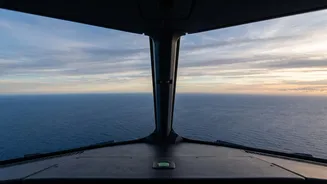
Pilots are rigorously and continuously trained to handle emergencies, spending hours in advanced flight simulators to practice for scenarios like engine failures or instrument malfunctions. Their first and most important priority is summed up by the mantra: "Aviate, Navigate, Communicate." 'Aviate' means maintaining control of the aircraft above all else. 'Navigate' means directing the plane to a safe path, which might involve changing altitude or heading towards the nearest suitable airport. Only after these two things are managed does the pilot fully 'Communicate' the details to Air Traffic Control (ATC). Once an emergency is declared, ATC gives the aircraft absolute priority, clearing other planes from its path and often dedicating a specific radio frequency to the flight to ensure clear communication.
The Cabin Crew's Critical Role
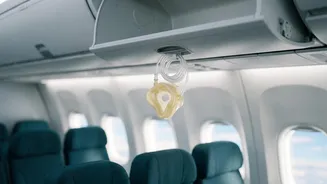
While the pilots manage the aircraft, the cabin crew springs into action to prepare and protect the passengers. Their training is just as intensive, covering everything from firefighting to medical first aid and emergency evacuations. Upon being notified by the cockpit, the lead flight attendant will brief the rest of the crew. They will then move through the cabin to secure it for a potential emergency landing, ensuring all loose items are stowed and galleys are locked. They may brief passengers on brace positions and the location of exits, sometimes identifying able-bodied passengers who can assist in an evacuation. Their calm and authoritative presence is crucial to managing passenger anxiety and ensuring everyone follows safety instructions.
The Passenger Experience: What to Expect
From a passenger's seat, the first sign of an issue might be subtle. It could be a change in the engine's sound, an announcement from the captain, or simply the focused, purposeful movement of the cabin crew. You may see flight attendants securing the cabin and giving clear, firm instructions. If a medical emergency is happening, the crew's first step is to assess the person and contact the flight deck, who can then patch through to ground-based medical experts for advice. In most emergency situations, the landing is uneventful. A significant portion of '7700' declarations are made out of an abundance of caution for issues like a minor technical fault or a passenger feeling unwell, allowing the flight to land with priority. The most important thing for passengers to do is remain seated, listen carefully to the crew, and follow their instructions without question.
A Coordinated Effort on the Ground
The emergency signal sets off a coordinated response on the ground long before the plane lands. Air Traffic Control immediately begins clearing a path for the aircraft to the most suitable airport and provides the pilots with essential information on weather and runway conditions. At the same time, controllers alert the airport's emergency services. By the time the aircraft is on its final approach, fire and rescue vehicles and medical teams are often already in position near the runway, ready to respond the moment the plane touches down. This seamless coordination between the sky and the ground is a fundamental part of aviation safety.