







What Exactly is Push-Pull-Legs?
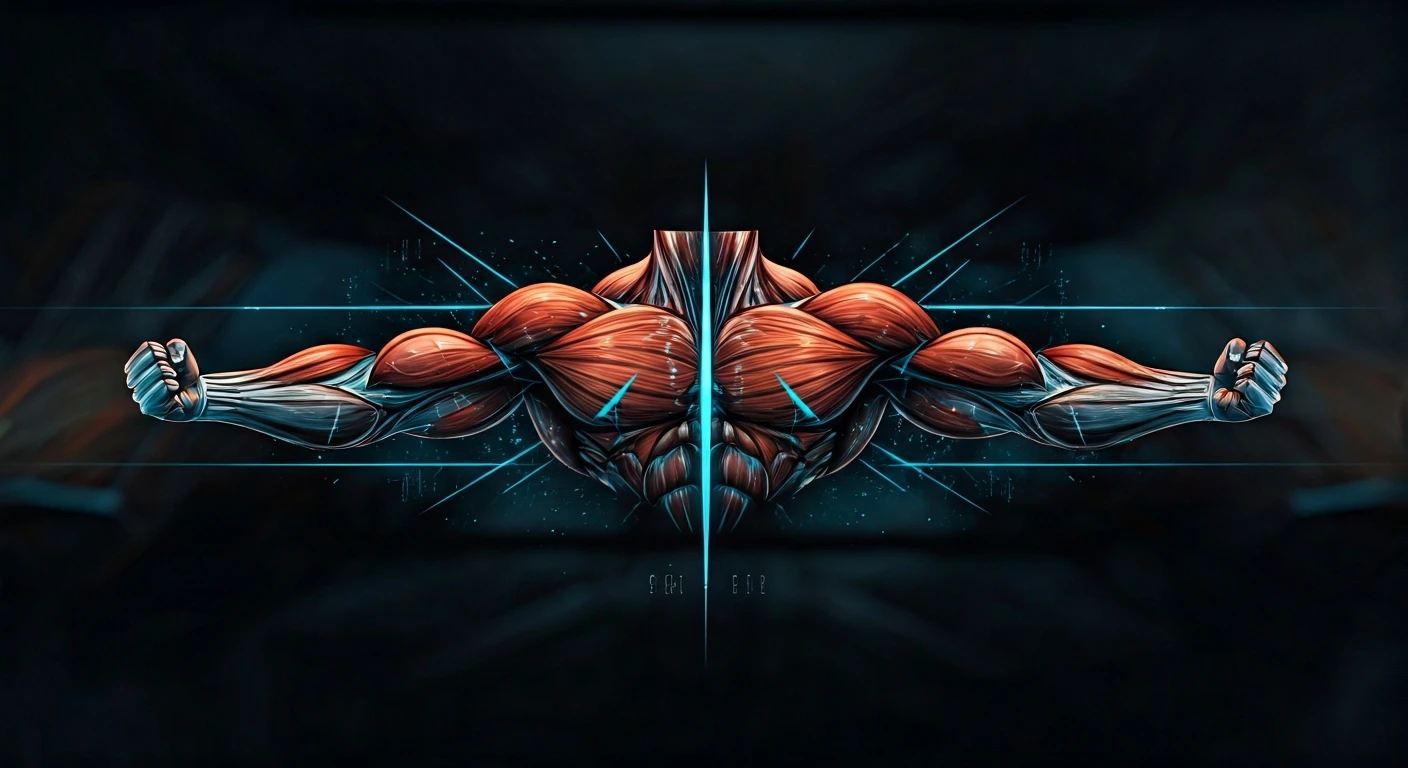
The Push-Pull-Legs (PPL) split is a straightforward way to organize your weekly workouts. Instead of focusing on individual body parts like 'chest day' or 'arm day', you group your exercises by their movement pattern. [5, 7] A 'Push' day involves exercises where
you push weight away from your body, training your chest, shoulders, and triceps. [1, 3] A 'Pull' day focuses on pulling weight towards you, which works your back and biceps. [1, 3] Finally, 'Legs' day is dedicated to training your entire lower body, including quads, hamstrings, and glutes. [1, 7] This structure is highly logical because it trains related muscle groups together, promoting efficiency. [1, 5]
The Appeal: Why PPL is So Popular
There’s a reason so many lifters, from bodybuilders to casual gym-goers, gravitate towards PPL. One of its biggest advantages is flexibility. [17] You can adapt a PPL routine to fit your schedule, training three, four, five, or even six days a week. [2, 17] This split also ensures that each muscle group gets ample recovery time. For example, while you're having a 'Push' day, your 'Pull' muscles are resting, and vice versa. [22] This systematic approach can lead to balanced muscle growth and reduces the risk of overtraining a specific muscle group. [5] For many, this structure is simpler and more intuitive to follow than other complex splits. [21]
A Reality Check for True Beginners
While PPL is a fantastic system, it may not be the ideal starting point for someone brand new to lifting. Many experts suggest that for the first six months, a full-body routine is superior for beginners. [1] A PPL routine, especially a six-day-a-week version, can be demanding in terms of time and recovery. [13, 20] Another challenge is the potential for accumulated fatigue within a single session; by the time you get to your third or fourth 'push' exercise, your muscles are already tired, which can make it harder to maintain good form and progressively overload. [18] Furthermore, a beginner might find learning the sheer number of exercises required for a PPL split overwhelming compared to a simpler full-body routine. [23]
How Does PPL Compare to Other Beginner Splits?
For beginners, the most commonly recommended alternatives to PPL are full-body workouts and upper/lower splits. Full-body workouts, typically done three times a week, are often considered the gold standard for novices because they are efficient and build a strong foundation. [8, 16] They ensure you're hitting every major muscle group frequently, which is great for learning movements and stimulating initial muscle growth. [24] An upper/lower split, where you train your upper body one day and lower body the next, is another excellent choice and often seen as the next step up from a full-body routine. [8] While a three-day PPL routine is feasible, it only trains each muscle group once a week, whereas research suggests training muscles twice a week is often more effective for growth. [14, 18]
The Verdict: Is PPL Right for You?
So, is Push-Pull-Legs the best beginner workout? The answer is nuanced: it's an excellent workout split, but perhaps not for a *true* beginner. For someone who has never lifted before, starting with a 3-day full-body routine for several months is often the most recommended path. [1, 8] This allows you to build a solid base of strength, master fundamental movements, and condition your body for more intense training without feeling overwhelmed. [11, 23] PPL is an outstanding choice for an early intermediate lifter who is ready to increase their training volume and has more time to dedicate to the gym. [12, 16] Think of it as graduating to the next level. Once you're comfortable with the main compound lifts and can consistently train more than three times a week, transitioning to a PPL split can be a powerful way to continue making progress in both strength and muscle size. [10, 19]