


Saffron: The Golden Star
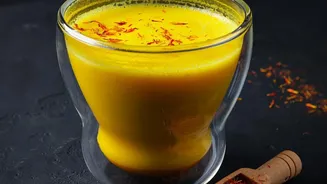
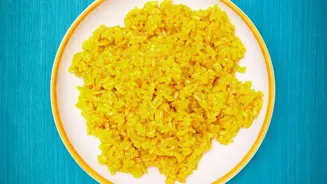
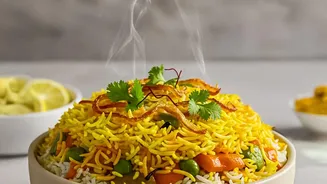
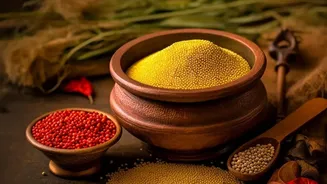
Saffron is, without a doubt, the main attraction. Its flavor is famously complex—a delicate balance of floral, honey-like, and earthy notes with a hint of bitterness that adds structure. Saffron provides the dish's signature color and its primary aromatic
identity. But like any star performer, it shines brightest when supported by a talented ensemble. The goal of adding other spices isn't to overshadow the saffron, but to create a more layered and resonant flavor experience. Think of it as adding depth and harmony to a beautiful melody.
Cardamom: The Bright Counterpoint
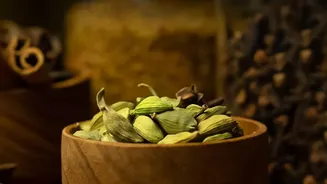
Whole green cardamom pods are the first and most important supporting actor. When gently cracked, they release a wonderfully complex aroma that is sweet, floral, citrusy, and slightly minty or eucalyptus-like. In a rich dish like saffron rice, which can sometimes feel one-dimensionally warm, cardamom's bright, zesty notes cut through and provide a refreshing lift. It prevents the dish from feeling too heavy, adding a high note that balances saffron's deeper, more mellow tones.
Cloves: The Pungent Bass Note
If cardamom is the high note, cloves provide the deep, resonant bass. Cloves are intensely aromatic, with a flavor that is pungent, sweet, and peppery. Their contribution is all about warmth and depth. The key to using cloves is restraint; they are incredibly potent, and too many can easily overwhelm a dish with a medicinal taste. Just one or two whole cloves are enough for a large pot of rice. They lend a subtle, lingering warmth that you feel at the back of your palate, adding a foundation of spice that grounds the floral notes of saffron and cardamom.
Bay Leaf: The Unsung Herbal Hum
The bay leaf is the most subtle of the group, and its contribution is often misunderstood. Unlike the other spices, a bay leaf doesn't have a strong, forward flavor. Instead, it infuses the cooking liquid with a delicate, herbal, and slightly floral aroma, reminiscent of oregano and thyme but with a unique woodsy character. It adds a savory background complexity—an almost imperceptible layer that makes the entire dish taste more rounded and complete. It works quietly, bridging the gap between the other spices and creating a more cohesive aromatic profile.
A Symphony of Aromas
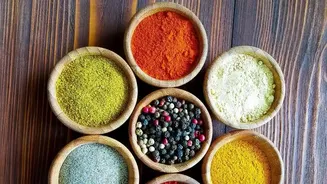
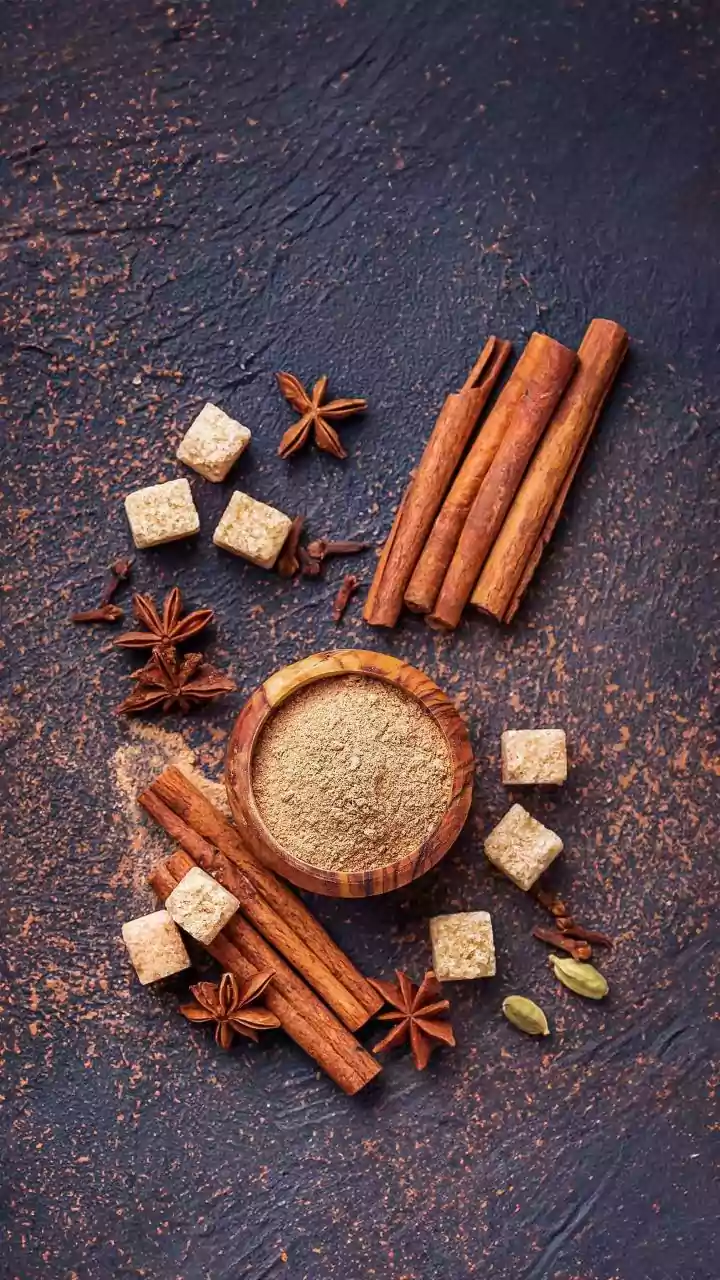
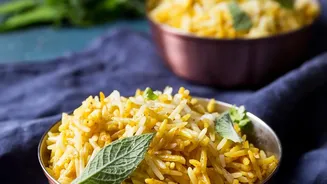
Together, these four spices create a true culinary symphony. The saffron provides the main theme—luxurious and golden. The cardamom adds bright, floral-citrus flourishes. The cloves provide a deep, resonant warmth. And the bay leaf creates a subtle, herbal bridge that ties them all together. None of these spices shouts for attention. They work in concert, each contributing a unique frequency to a harmonious chord that elevates the simple rice into something truly special and memorable.
Tips for Perfect Infusion
To get the most out of these spices, many chefs and home cooks recommend a technique called 'tadka' or tempering. This involves gently frying the whole spices—cardamom pods, cloves, and bay leaf—in hot ghee or oil for about 30 to 60 seconds before adding the rice. This process, called blooming, helps to release their fat-soluble essential oils, ensuring their aroma is distributed throughout every grain. For a more subtle infusion without the risk of biting into a whole spice, you can tie them in a small piece of muslin cloth to create a 'potli' or spice bag, which can be easily removed before serving.