




What Exactly Is NEAT?
Non-Exercise Activity Thermogenesis, or NEAT, is the energy your body burns during any movement that isn't formal exercise. It includes everyday activities like walking to the kitchen, fidgeting at your desk, doing household chores, or even playing with
your dog. While a single gym session burns a lot of calories at once, NEAT represents the cumulative total of all your small movements throughout the day. Depending on your lifestyle and job, NEAT can account for a significant portion of your total daily energy expenditure, sometimes varying by up to 2,000 calories between different people of similar size. The more you move, even in small ways, the more you boost your NEAT.
Stand More, Sit Less
One of the simplest ways to increase your NEAT is to reduce your sedentary time. Prolonged sitting has been linked to various health concerns, including heart disease and type 2 diabetes. Making a conscious effort to stand more can make a difference. Consider using a standing desk for parts of your workday. If that's not an option, simply stand up when you take phone calls or during meetings. Even standing for just a few minutes every hour gets your blood flowing and wakes up your muscles, contributing to your daily calorie burn and better overall posture.
Embrace the Stairs
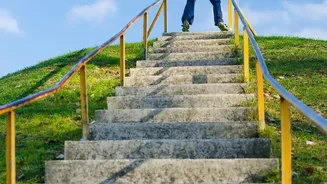
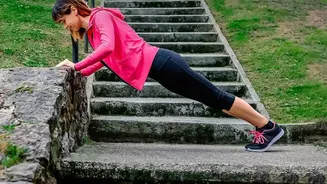
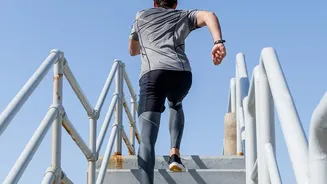
The classic advice to take the stairs instead of the elevator is a perfect example of increasing NEAT. It’s a small choice that, when made consistently, adds up. Climbing stairs engages your leg muscles and gets your heart rate up more than walking on a flat surface. You can apply this principle elsewhere, too. If you live in a multi-story home, try not to save up items for one trip up or down; make extra trips as needed to put things away. It turns a simple task into a mini-movement opportunity.
Turn Chores Into Activity
Household chores are a fantastic source of NEAT. Activities like vacuuming, scrubbing, gardening, and even washing dishes by hand involve twisting, reaching, and bending. These movements keep your body active and burning energy. To maximize the benefit, be more deliberate with your actions. Move furniture to vacuum behind it instead of just going around. When putting away laundry, take smaller piles and make more trips to different rooms. These small adjustments can turn routine cleaning into a low-impact physical activity.
Walk and Pace Whenever Possible
Look for opportunities to add more steps to your day. Park farther away from the entrance at the grocery store or office. If you take public transit, consider getting off one stop early and walking the rest of the way. When you're on a phone call, resist the urge to sit down; instead, pace around your room or office. Taking a short walk after meals can also aid digestion and increase your calorie burn. These small bursts of walking accumulate and can significantly impact your daily NEAT total.
Fidgeting Can Be a Good Thing
Believe it or not, fidgeting is a form of NEAT. Tapping your feet, drumming your fingers, or shifting your position in your chair are all micro-movements that expend energy. While you may not be able to consciously start fidgeting, you can incorporate more small movements while seated. Try doing simple ankle rolls, shoulder shrugs, or gentle stretches at your desk. These little actions keep your muscles engaged and prevent the negative effects of staying completely still for long periods.