



The Paradise and the Problem
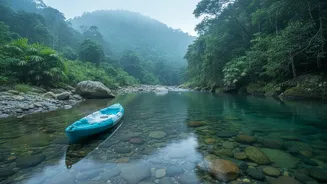
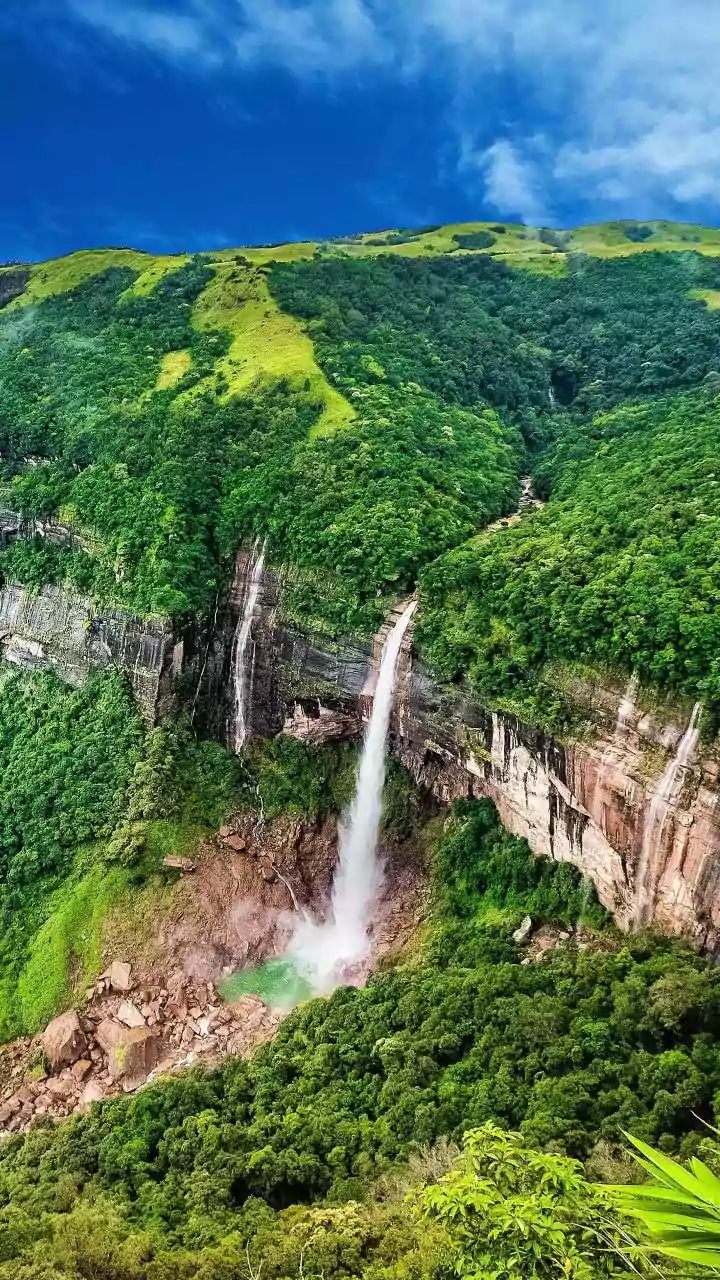
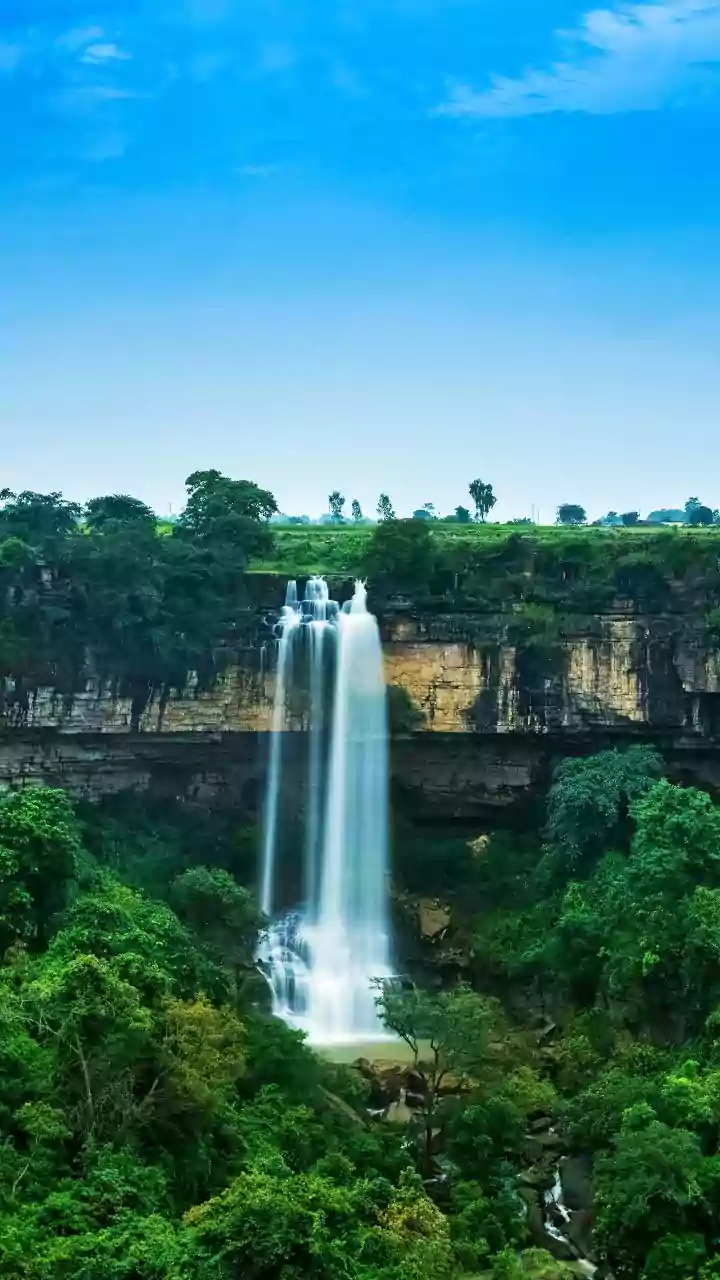
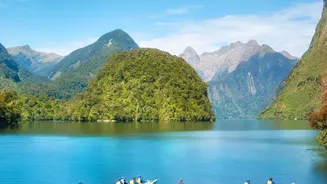
Meghalaya is renowned for its breathtaking natural beauty, from the living root bridges to its lush, rain-soaked landscapes. Central to this allure are its rivers, like the world-famous Umngot in Dawki, known for its crystal-clear water that gives the illusion
of boats floating in mid-air. This stunning scenery has made the state a magnet for tourists. However, the rise in tourism, combined with urban and commercial pressures, has led to a significant challenge: pollution. Plastic waste and litter have begun to mar these pristine water bodies, threatening the fragile ecosystems and the very beauty that draws visitors. The once-transparent Umngot has faced periods of murkiness, and other urban rivers like the Wah Umkhrah in Shillong have been heavily impacted by waste.
Paddling with a Purpose
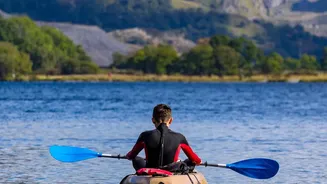
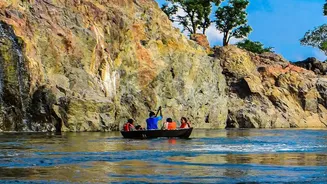
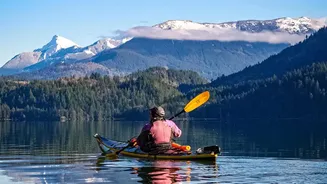
Instead of despairing, local communities, youth groups, and eco-conscious entrepreneurs have responded with ingenuity. They are pioneering a model that merges adventure sports with environmental action. The concept is simple yet powerful: offer kayaking trips where part of the experience involves collecting trash from the river. This transforms tourists from passive observers into active participants in conservation. These initiatives are not just isolated efforts; they are part of a growing movement across the state. In places like Shnongpdeng, a village popular for adventure sports on the Umngot river, kayaking is a major draw. By integrating cleanups into these popular activities, operators provide a more meaningful experience that resonates with a new generation of responsible travellers.
How the Initiative Works
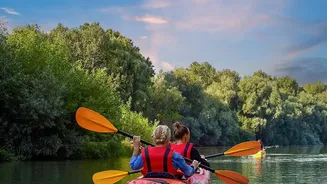
The eco-kayaking cleanup drives are typically organised by local tour operators and community groups. When tourists sign up for a kayaking excursion, they are provided with the usual gear—a kayak, paddles, and a life jacket—along with mesh bags or containers for collecting waste. As they paddle through the scenic rivers, they are encouraged to pick up any floating plastic bottles, wrappers, and other debris they encounter. Local guides, who possess intimate knowledge of the rivers, not only ensure safety but also educate the participants about the local ecology and the importance of keeping the waterways clean. The collected waste is then brought back to a designated point on the shore for proper segregation and disposal. This hands-on approach provides a tangible sense of accomplishment and a direct connection to the conservation cause.
A Ripple Effect of Benefits
The impact of these projects extends far beyond the riverbanks. For tourists, it elevates a simple adventure activity into a memorable and purposeful journey. It answers a growing demand for sustainable travel options where visitors can contribute positively to the places they visit. For the local communities, it creates a powerful alliance. They gain direct economic benefits from tourism while also finding allies in their fight to protect their natural heritage. These initiatives empower local youth, provide employment for guides, and reinforce a community-wide culture of cleanliness. This model complements broader government efforts, such as the Meghalaya Adventure Tourism Scheme, which aims to promote sustainable, community-based tourism. Furthermore, seeing tourists actively participate in cleanups inspires greater local pride and responsibility.
The Future is Green and Clear
The fusion of adventure and activism in Meghalaya serves as an inspiring blueprint for other regions grappling with the paradox of tourism: how to welcome visitors without sacrificing the environment. Citizen-led cleanups, like the one that restored the Umshait riverbank in Ri Bhoi district, demonstrate the power of community mobilisation. While challenges remain, the spirit of innovation is strong. The state has also seen the deployment of AI-enabled robotic boats to clean Umiam Lake, showing a commitment to leveraging technology for environmental good. The eco-kayaking projects are a grassroots, human-powered complement to these larger efforts. They prove that everyone can play a role, and that sometimes the most effective solutions are the ones that connect people, purpose, and the planet.