







The Anatomy of an Impulse Buy
Impulse buying is rarely a logical decision; it's an emotional one. When you see a flash sale or a 'limited stock' warning, your brain gets a hit of dopamine, the feel-good chemical associated with reward and pleasure. This creates a sense of urgency,
overriding your rational mind. E-commerce platforms are masters at creating this urgency. They use countdown timers, personalised ads, and social proof to rush you into a decision before you have time to think it through. This emotional trigger, whether it's stress, boredom, or the fear of missing out (FOMO), pushes you toward the 'buy now' button. The satisfaction is often fleeting, quickly replaced by regret, but by then, the money is already spent.
How UPI Fuels the Fire
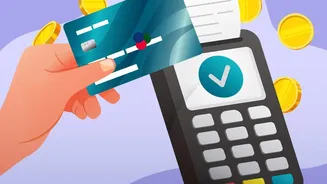
Enter the Unified Payments Interface (UPI). While a revolutionary convenience, its seamless nature has also made it a powerful enabler of impulse spending. The 'pain of paying'—the psychological friction you feel when handing over physical cash—is almost completely gone. A quick scan of a QR code or a single tap is all it takes. This frictionless experience means you spend without fully registering the financial impact. Studies have shown that the ease of digital payments, especially UPI, is linked to higher discretionary spending and more frequent unplanned purchases. The convenience that makes UPI great for paying bills also makes it dangerously easy to splurge on things you don't need, making small, thoughtless purchases add up significantly over time.
The 24-Hour Rule Explained
This is where the 24-hour rule comes in as a powerful, yet simple, antidote. The strategy is straightforward: whenever you want to buy something that isn't an absolute essential (like groceries or medicine), add it to your cart and then walk away for a full day. This mandatory 'cooling-off' period does something crucial: it allows the initial emotional high and the dopamine rush to fade. Time allows your brain to shift from the impulsive, emotional part to the logical, rational part—the prefrontal cortex. After 24 hours, you can re-evaluate the purchase with a clear head. You'll often find that the urgent 'want' has disappeared, revealing it was never a true 'need' in the first place. Many people find that after a day, they no longer desire the item at all or even forget they added it to the cart.
Putting the Pause into Practice
Making the 24-hour rule a habit is easy. The next time you're shopping online, simply add items to your cart or a wishlist instead of checking out immediately. Close the app or browser tab. Some people find it helpful to set a calendar reminder for 24 hours later to review their cart. When you return, ask yourself a few key questions: Do I genuinely need this? Can I afford it right now without straining my budget? Do I own something similar already? Will I actually use it? This deliberate process reintroduces the friction that instant payments removed, empowering you to make a conscious choice rather than an impulsive one. It shifts the power from the seller's marketing tactics back to you, the buyer.
Beyond the 24-Hour Rule
While the 24-hour pause is effective, you can reinforce your mindful spending habits with a few other strategies. Start by unsubscribing from tempting promotional emails and turning off notifications from shopping apps to reduce your exposure to triggers. Consider deleting stored payment information from websites, which adds an extra step and more time for reflection before a purchase. Another useful tip is to create a specific budget for discretionary spending and track it. Many apps can help you categorize your UPI transactions, giving you a clear picture of where your money is going. By seeing the real-time impact of your spending, you become more accountable for each transaction.