




Rethinking the Indian Lunch Plate
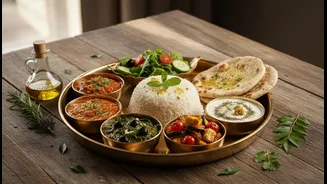
A balanced Indian meal is often represented by the thali, a platter that serves a variety of dishes in small portions to ensure a mix of essential nutrients. This traditional concept provides a brilliant framework for modern, healthy eating. The idea
is to fill your plate with a combination of foods that provide sustained energy, rather than a heavy, carbohydrate-loaded meal that leads to a crash. An easy-to-follow rule is the 50-25-25 principle: fill half your plate with vegetables, a quarter with protein, and the final quarter with complex carbohydrates. By focusing on three core components—curd, legumes, and vegetables—you can effortlessly build a lunch that is nourishing, satisfying, and keeps you energised.
Curd: The Probiotic Powerhouse
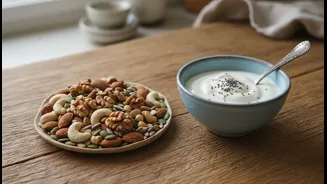
A small bowl of dahi, or curd, is a non-negotiable part of a traditional Indian meal for good reason. Curd is an excellent source of high-quality protein, calcium for bone health, and essential vitamins like B12. Its most significant benefit comes from probiotics, the live beneficial bacteria that support gut health. A healthy gut is crucial for good digestion, efficient nutrient absorption, and even a strong immune system. Including curd in your lunch aids digestion, prevents issues like bloating, and contributes to a feeling of lightness and comfort after your meal.
Legumes: Your Source of Plant-Based Protein
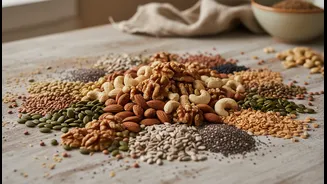
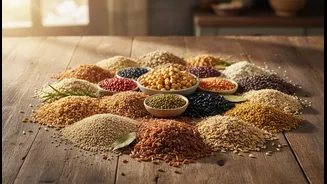
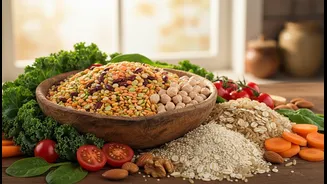
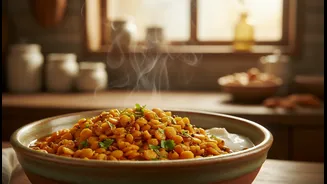
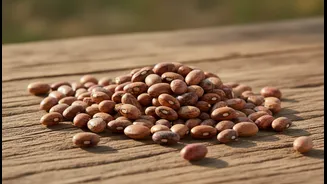
Legumes, including dals (lentils), chickpeas (chana), and kidney beans (rajma), are the foundation of protein in most Indian vegetarian diets. They are packed with plant-based protein, which is essential for muscle repair and keeping you feeling full for longer. Just as importantly, they are rich in dietary fibre and complex carbohydrates. This combination ensures a slow and steady release of energy into your bloodstream, preventing the sharp spike and subsequent crash in blood sugar that often comes from refined carbohydrates. Whether it's a simple moong dal, a hearty rajma, or a flavourful chana masala, making a legume dish a central part of your lunch provides lasting satiety and fuel for your brain and body.
Vegetables: The Fibre and Vitamin Boost
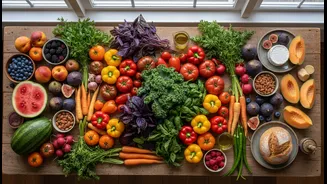
Vegetables should be the star of your lunch plate, covering at least half of it. Indian cuisine offers a vast array of seasonal vegetables, from leafy greens like spinach (palak) to gourds like bottle gourd (lauki) and okra (bhindi). These vegetables are low in calories but dense in nutrients, including essential vitamins, minerals, and antioxidants that protect your body from disease. They are also a primary source of dietary fibre, which is critical for digestive health, promoting regularity, and contributing to a feeling of fullness that helps prevent overeating. A colourful assortment of cooked sabzis and fresh salads ensures you get a wide spectrum of nutrients.
Putting It All Together: A Modern Thali
Building your balanced lunch is simpler than it sounds. You don't need to cook an elaborate multi-course meal. Think of it as assembling components. A typical lunch could be a bowl of dal or rajma (legume), a generous serving of a seasonal vegetable sabzi like beans or cauliflower, and a small bowl of curd. Pair this with one or two rotis made from whole wheat or a small portion of brown rice. This combination ensures you get your protein from the legumes and curd, fibre and vitamins from the vegetables, and a controlled amount of complex carbohydrates for energy. It's a simple, effective formula for a meal that powers you through the day without weighing you down.