



Handle Leafy Greens with Extra Care
Leafy green vegetables like spinach (palak), fenugreek (methi), and cabbage are particularly vulnerable during the monsoon. The damp weather provides a breeding ground for germs, and the many layers of leaves can trap mud, moisture, and tiny insects,
making them difficult to clean thoroughly. When buying, inspect them carefully. Choose crisp, fresh-looking bunches and avoid any that are wilted, slimy, or have yellowing leaves. It’s best to buy these in smaller quantities that you can consume within a day or two. Before cooking, a simple rinse is not enough; soak them in a bowl of clean water with a little salt or vinegar for about 15 minutes, then rinse again under running water to dislodge hidden dirt and microbes.
Favour Gourds and Seasonal Picks
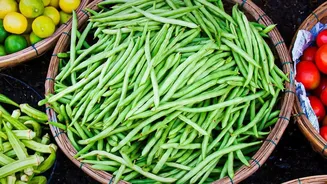
Some vegetables thrive in the monsoon and are generally safer choices. Gourds like bottle gourd (lauki), bitter gourd (karela), ridge gourd (turai), and pointed gourd (parwal) are excellent options. Their thick, protective outer skin keeps the edible part shielded from excessive moisture and contamination until they are peeled. When shopping, look for vegetables that are firm, brightly coloured, and free from any bruises, cuts, or soft spots. Other good choices for the season include beans, Indian squash (tinda), and elephant foot yam (jimikand). These vegetables are not only well-suited to the climate but also help boost immunity.
Be Cautious with Cruciferous Vegetables
Vegetables like cauliflower and broccoli require a bit more scrutiny during the rainy season. The dense florets and crevices in these vegetables can easily trap moisture and dirt, creating a perfect environment for bacterial and fungal growth. This makes them harder to clean properly and increases the risk of contamination. When you do buy them, inspect them closely for any signs of spoilage or tiny insects hidden within the florets. It's advisable to blanch them in hot water before proceeding with your final cooking method to ensure they are clean and safe to eat.
Inspect Root Vegetables and Tubers
Root vegetables that grow underground, such as carrots, radishes, and potatoes, can be a mixed bag. While some consider tubers like potatoes a safer bet because they are less prone to bacteria, others advise caution. The damp soil can make them absorb excess water, potentially affecting their texture and making them more prone to spoiling quickly. When purchasing potatoes and onions, choose firm ones with dry, unbroken skin and no signs of sprouting, which indicates they are old. For carrots and beetroots, look for smooth skin without bruises. It's best not to wash root vegetables until just before you are ready to use them, as washing can strip their protective layer and accelerate spoilage.
Rethink Raw Salads and Pre-Cut Produce
While a fresh salad is usually a healthy choice, it’s best to be cautious with raw vegetables during the monsoon. Since they aren’t cooked, any germs on the surface can easily enter your system. It is particularly risky to eat raw salads from outside vendors, as you cannot be sure about the water quality used for washing. Similarly, avoid buying pre-cut vegetables. The moment a vegetable is cut, its surface is exposed to the air, increasing the risk of contamination, which is heightened by the monsoon humidity. If you want a salad, prepare it at home using thoroughly washed produce and clean water.
Mastering Cleaning and Storage
Proper cleaning is non-negotiable. Wash all vegetables thoroughly under clean, running water before cooking. The Food Safety and Standards Authority of India (FSSAI) advises using only potable water for cooking to avoid contamination. After washing, pat vegetables dry with a clean cloth or paper towel, as excess moisture encourages spoilage. For storage, buy fresh and buy often, avoiding bulk purchases. Store most vegetables in the refrigerator in breathable bags. However, potatoes and onions should be kept in a cool, dry, dark place, away from the fridge, to maintain their flavour and prevent sprouting. Keep your refrigerator clean and don't overcrowd it, as this allows for better air circulation and keeps produce fresh longer.