


In the high-stakes, high-tech world of air traffic control, it might be surprising to learn that some of the most critical work still relies on decades-old technology, including paper and even floppy disks. But that's about to change.
An End to Paper and Floppy Disks
The US Federal Aviation
Administration (FAA) has officially begun a significant modernization push, aiming to phase out some of the most outdated pieces of its infrastructure. At the heart of this effort is the replacement of manual processes that air traffic controllers have used for generations. This includes the use of paper flight strips—small slips of paper containing vital flight details—that are physically passed between controllers to manage aircraft on the ground and in the air. Even more surprisingly, some systems still use floppy disks to store and distribute essential data like weather reports. These methods, while reliable for their time, are labour-intensive and create barriers to the instant, seamless data sharing required in a modern airspace. The new initiative is part of the FAA's broader NextGen modernization program, which seeks to transform the entire US air traffic system.
Introducing the Digital Tower
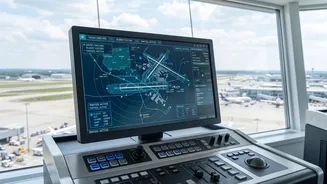
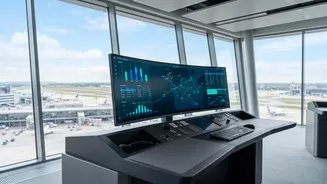
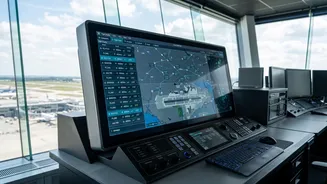
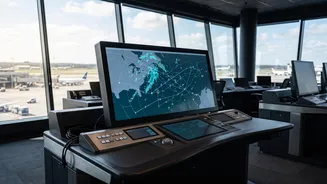
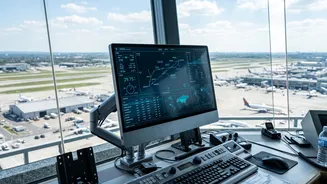
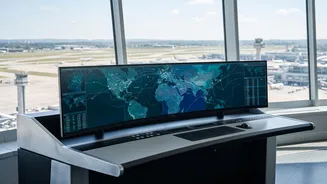
The solution comes in the form of several new digital systems, most notably the Terminal Flight Data Manager (TFDM) and the Enterprise – Information Display System (E-IDS). The TFDM system is designed to create 'digital towers' by replacing paper flight strips with electronic versions on a shared display. This means that instead of manually handling paper, controllers have a constantly updated, real-time view of all aircraft and their statuses. The E-IDS consolidates multiple sources of information—such as equipment status, weather alerts, and airspace restrictions—onto a single, convenient digital display board for controllers. This gives them the critical information needed to make timely and safe decisions without having to consult separate, older systems. The FAA has already started rolling these systems out at select airports, with plans to reach over 400 facilities by 2028.
The Problem with Manual Workarounds
While 'manual workarounds' might sound minor, in air traffic control, they represent potential points of inefficiency and risk. A controller scribbling a note on a paper strip, for instance, creates information that is not immediately available to other controllers in the tower or at other airports. Transferring data via floppy disks is a slow and obsolete process. These manual systems limit controllers' ability to handle traffic efficiently and can contribute to delays both on the ground and in the air. By automating these tasks, the new digital displays allow for what the FAA calls 'collaborative decision making'. Airlines, airport managers, and controllers can all view the same real-time data, allowing for better coordination in staging departures, managing traffic flow on taxiways, and optimizing arrival sequences.
A Safer, More Efficient Sky
The primary goals of this technological leap are enhanced safety and efficiency. By reducing the reliance on manual data entry and communication, the FAA expects to minimize the potential for human error. Integrated alerts can automatically flag potential conflicts, giving controllers an extra layer of safety. For passengers, the benefits could be tangible. Better management of aircraft on the ground means less time spent waiting in departure queues, leading to fewer delays and shorter taxi times. This efficiency also translates to significant fuel savings for airlines and, by extension, a reduction in carbon emissions. According to FAA Administrator Bryan Bedford, the new systems give controllers 'the information they need to make timely decisions and keep the flying public safe'.
The Path to Full Implementation
Modernizing a system as vast and critical as the national airspace is a monumental task that comes with challenges. The NextGen program has faced scrutiny over its timeline and budget, with some reports noting delays and cost increases. The rollout of the TFDM and E-IDS systems is being done in a phased approach to minimize disruptions and ensure a smooth transition for the workforce. The first sites to receive the E-IDS upgrade include airports in Atlantic City, Nashville, and Rochester, along with data hubs in Atlanta and Salt Lake City. While the transition from a long established manual process to a fully digital one requires significant training and adaptation, the long term vision is clear : a more resilient , predictive , and unified air traffic control system fit for the 21st century.