





The First Unpredictable Wave
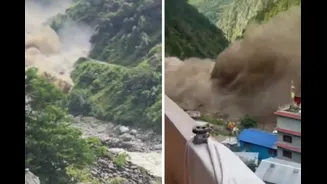
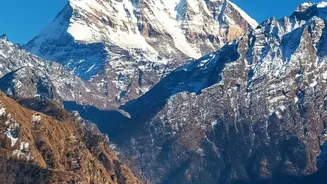
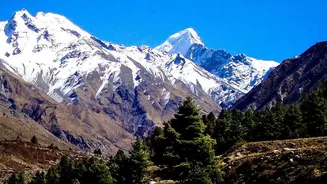
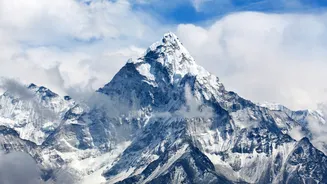
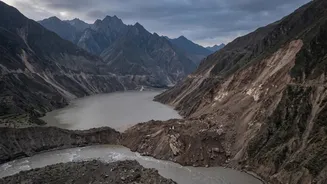
On August 26, 2026, a massive wall of water, mud, and debris tore through the Rasuwa and Nuwakot districts near the Nepal-Tibet border. Unlike typical monsoon floods caused by heavy rain, this disaster was triggered by a massive ice and rock avalanche
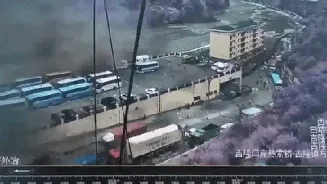
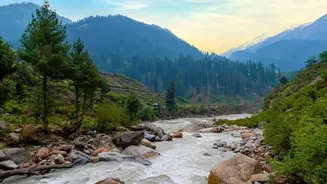
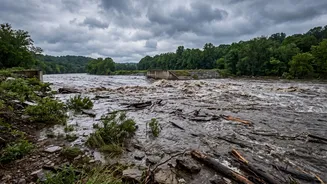
high in the Himalayas. The US Geological Survey later confirmed a glacial collapse, not an earthquake, generated the seismic waves detected at the time. This avalanche is believed to have temporarily blocked the Lhende Khola river, a tributary of the Bhotekoshi. When this natural dam broke, it unleashed a violent surge that behaved more like wet concrete than water, destroying villages, roads, bridges, and hydropower projects with almost no warning. The speed and composition of the debris flow made it nearly impossible to outrun, leading to immense devastation.
The Lingering Upstream Threat
The primary reason a second surge is feared is the potential existence of a lingering blockage upstream. Experts from the International Centre for Integrated Mountain Development (ICIMOD) have warned that debris from the initial collapse may still be lodged in the river channel near the border. This unstable, temporary dam could be holding back a significant volume of water. If this blockage fails, it would trigger another sudden and powerful flood. Authorities have issued evacuation orders and warnings for communities downstream along the Bhote Koshi, Trishuli, and Narayani rivers, urging residents to move to higher ground due to this specific, imminent threat.
Compromised Infrastructure and Landscape
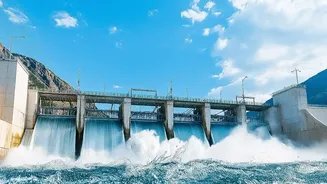
The first flood surge has critically weakened the region's ability to withstand another. Roads, bridges, and buildings that survived the initial onslaught are now damaged and structurally compromised. Entire sections of roads, including a vital route connecting Syafrubesi and Rasuwagadhi, were further damaged after being hit by floods in 2025. Hydropower facilities and, crucially, hydrological monitoring stations were also washed away or damaged. This loss of monitoring equipment severely hampers the ability of authorities to get real-time data on river levels, making it much harder to provide timely warnings for a second wave. The very landscape has been altered, meaning a new flood could follow an unpredictable path.
Stretched Responders and Traumatised Communities
A second surge would hit a region already in the midst of a massive humanitarian crisis. Rescue and relief teams from the Nepal Army, police, and international partners are fully engaged in searching for hundreds of missing people, including many foreign tourists, and providing aid to the survivors. Resources are stretched thin, and responders are operating in extremely challenging terrain where access routes have been destroyed. Furthermore, local communities are displaced, exhausted, and traumatised. Their capacity to react to another emergency warning is diminished, and the psychological impact of a second disaster would be immense for families who have already lost everything.