



The Monsoon Microbe Challenge
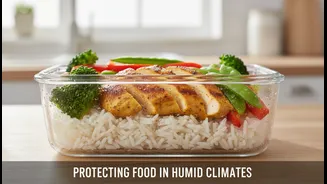
The connection between the monsoon season and food spoilage is no coincidence. The combination of high humidity and ambient temperatures, often between 25°C and 40°C, creates the ideal environment for bacteria, moulds, and fungi to thrive. This is why
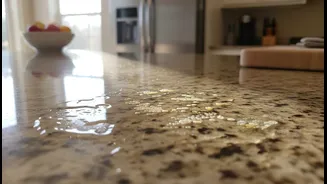
biscuits lose their crunch, spices clump together, and cooked food goes bad at an alarming rate. The air itself is heavy with moisture, which can easily seep into improperly sealed packages, accelerating decay and increasing the risk of foodborne illnesses. During these months, your kitchen counter becomes a frontline in the battle for freshness.
The Glass Advantage: A Non-Porous Shield
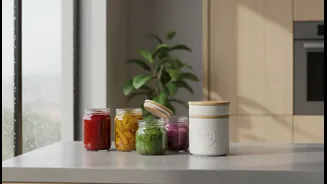
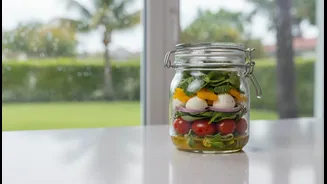
This is where sealed glass containers prove their superiority. The primary advantage of glass is its non-porous nature. Unlike plastic, which can have microscopic pores, glass provides an impermeable barrier. It does not absorb moisture, odours, or food colours. This means that no matter how humid it gets, the moisture in the air cannot penetrate the glass itself to compromise the dry goods stored within. Your lentils, flours, and masalas remain dry and safe from the dampness that encourages mould growth.
Airtight Seals: The Key to Locking Out Moisture
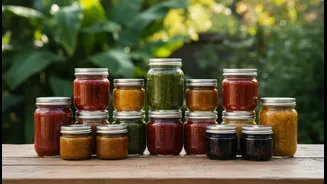
A glass container is only as good as its seal. When paired with a high-quality airtight lid, often fitted with a silicone or rubber gasket, a glass jar creates a secure fortress against the elements. This seal is crucial because it blocks the exchange of air and, more importantly, the moisture that the air carries. By preventing humid air from entering, these containers effectively stop oxidation and slow down the growth of bacteria and mould that need moisture to multiply. This preserves not just the safety of the food but also its texture, flavour, and nutritional value.
Comparing with Plastic and Metal
While plastic containers are lightweight and popular, they have several disadvantages in a high-humidity environment. Plastic is porous and can easily get scratched. These tiny scratches can trap food particles and become breeding grounds for bacteria, which is harder to clean thoroughly. Some plastics can also warp over time, compromising the airtight seal. Furthermore, certain plastics may leach chemicals like BPA and phthalates into food, a risk that increases with heat and age. Metal containers, while sturdy, can sometimes react with acidic foods like pickles, potentially altering the taste and safety of the contents.
Purity, Cleanliness, and Peace of Mind
Beyond just preventing spoilage, glass offers chemical purity. It is chemically inert, meaning it won’t react with your food or leach any substances into it. This ensures that your meals taste exactly as they should and remain free from potential contaminants. Glass is also exceptionally easy to clean and sanitise. Because it doesn’t absorb stains or smells, a simple wash with soap and hot water can restore it to a pristine, hygienic state, ready for its next use. Yesterday's rajma will not leave a lingering scent in the jar you use for fruit salad today.