


The Countertop Congestion Problem
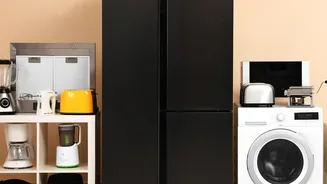
Look at any aspirational kitchen online or in a magazine, and you’ll see vast, empty countertops. The reality in most homes is quite different. The surfaces meant for food preparation are often colonized by the toaster, the coffee machine, the air fryer,
a fruit bowl, and an ever-growing pile of mail. This visual clutter can create a subtle but constant sense of stress, making the kitchen feel more chaotic than calm. The desire for a streamlined look clashes with the practical needs of a functioning home. For years, the default answer was a full-scale renovation to build more integrated storage, an expensive and disruptive process that isn't feasible for everyone.
An Old Solution Makes a Comeback
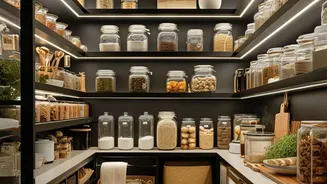
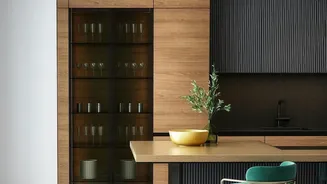
Enter the freestanding larder. Also known as a pantry cabinet, this standalone piece of furniture is emerging as the home hero for the clutter-averse. Unlike built-in cabinetry, a larder is a single, often tall, cupboard designed for maximum storage efficiency. It’s a self-contained unit that can be added to any kitchen, offering a home for everything from dry goods and spices to small appliances. Its revival is a direct response to the modern kitchen dilemma, offering a way to achieve visual peace and organization without the cost and commitment of a remodel.
A Brief History of the Larder
Before the age of refrigeration, the larder was not a luxury but a necessity. The term itself derives from the practice of preserving meat in lard. Larders were cool, ventilated rooms or large cupboards, often on the north side of the house, with stone shelves to keep perishables like butter, milk, and meat fresh for longer. With the invention of the affordable home refrigerator and the rise of the standardized, fitted kitchen in the mid-20th century, the traditional larder was deemed old-fashioned. Freestanding kitchen furniture was replaced by seamless runs of built-in cabinets and countertops, and the dedicated food pantry fell out of favour.
Why the Larder Works So Well Today
The larder’s return isn’t just about nostalgia; it’s about smart, flexible design. One of its main advantages is that it requires no renovation. Renters and homeowners alike can add a significant amount of storage by simply placing a piece of furniture against a wall. Furthermore, a freestanding larder adds character and personality. It breaks up the monotony of uniform cabinetry, acting as a statement piece that gives the kitchen a more curated, 'unfitted' look. This approach allows for individuality, whether you opt for a vintage, rustic piece or a sleek, modern cabinet.
The Ultimate Clutter-Busting Workstation
A modern larder is more than just a cupboard for tins and packets. It’s a highly functional workstation. By housing small appliances, it allows you to create dedicated zones behind closed doors. Imagine a 'breakfast station' where the toaster, coffee maker, mugs, and cereal are all in one place. You use them, and then simply close the doors, and the kitchen is instantly tidy. This concept of a 'hidden workstation' is a key reason for the larder's popularity. It keeps your most-used items accessible but out of sight, finally making the dream of clear countertops an everyday reality.
Finding the Right Fit for Your Home
Freestanding larders come in a vast array of styles and sizes. Slim, tall units can fit into surprisingly small kitchens, making excellent use of vertical space. Larger, double-door armoires can become the centerpiece of the room, offering cavernous storage with a mix of shelving, drawers, and spice racks on the inside of the doors. You can find them new from furniture makers, hunt for a unique antique piece to refurbish, or even find clever DIY solutions. The key is to assess your storage needs and the available space, choosing a piece that complements your home's aesthetic while solving your practical storage problems.