





The Grain of Our Past, The Flex of Our Future
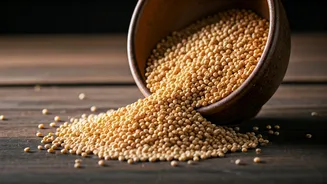
For generations, jowar—also known as sorghum—was a staple in Indian kitchens, especially in the central and western parts of the country. Often seen as a rural, traditional food, it was the hero of simple, hearty meals like bhakri and roti. However, as lifestyles
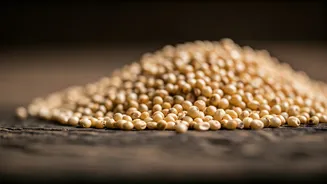
shifted, polished rice and wheat took centre stage, and jowar quietly faded into the background. But now, in a world increasingly conscious of health, sustainability, and heritage, this ancient millet is making a powerful comeback. The 'flex' isn't just about eating healthy; it's about a conscious choice to embrace a nutritious, gluten-free grain that’s deeply rooted in Indian culinary wisdom. It’s a nod to tradition, repackaged for the modern, wellness-focused individual.
The Nutritional Powerhouse Explained
So, why is jowar earning its superfood status? The science backs it up. Firstly, it is naturally gluten-free, making it an excellent choice for those with gluten sensitivities or celiac disease. It’s packed with dietary fibre—significantly more than refined wheat in some comparisons—which aids digestion, promotes a feeling of fullness, and can help in weight management. This high fibre content, combined with a lower glycemic index compared to whole wheat, means it helps in managing blood sugar levels by slowing down glucose absorption. Jowar is also a rich source of essential minerals like iron, magnesium, and phosphorus, which are vital for energy levels, bone health, and overall bodily functions. It also contains antioxidants that are not commonly found in other grains, which help combat inflammation and oxidative stress.
Beyond Bhakri: Your Jowar Breakfast Guide
While jowar roti is a timeless classic, the grain’s versatility shines brightest in modern breakfast preparations. Its mild, slightly nutty flavour makes it a perfect canvas for a variety of morning meals. Forget the idea that healthy breakfasts have to be bland or complicated. Incorporating jowar can be simple, delicious, and incredibly satisfying. The key is to think beyond the traditional and get creative in the kitchen. Here are a few ideas to get you started on your jowar journey.
Jowar Upma and Poha
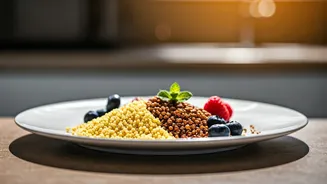
Give your regular upma or poha a serious upgrade by using whole, cooked jowar grains or jowar flakes. To make jowar upma, you first need to soak and pressure-cook the whole grains until they are soft. Then, simply temper spices like mustard seeds, cumin, and curry leaves, sauté your favourite vegetables like onions, carrots, and peas, and fold in the cooked jowar. For an even quicker meal, jowar flakes (similar to rice poha) can be rinsed and used to make a nutritious poha in under 15 minutes. It’s a fibre-rich, fulfilling start to your day.
Fluffy Jowar Dosas and Pancakes
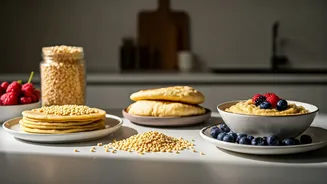
Who doesn't love a good dosa? A batter made with jowar flour, urad dal, and a touch of rice can be fermented overnight to create crispy, flavourful dosas. For a quicker, no-fermentation option, you can make soft, thick pancakes, sometimes called 'jowar bun dosa'. Simply mix jowar flour with curd, semolina (rava), and finely chopped vegetables to form a thick batter. A pinch of fruit salt right before cooking makes them wonderfully fluffy. Served with a side of coconut chutney, these pancakes are a guaranteed hit with the entire family.
Creamy Jowar Porridge
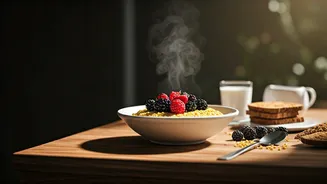
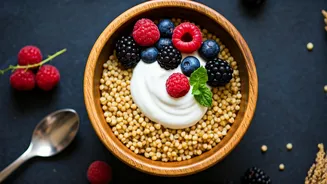
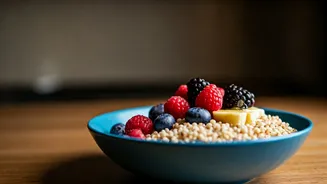
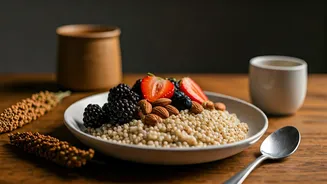
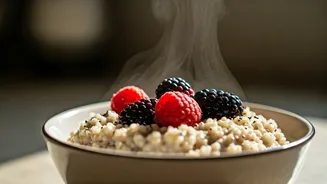
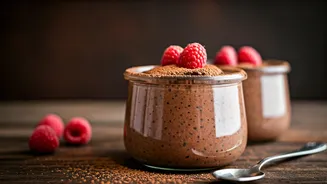
For those who prefer a warm, comforting bowl in the morning, jowar porridge is the answer. You can make a sweet version by cooking jowar flour with milk (or a plant-based alternative), a hint of jaggery, and a sprinkle of cardamom and nuts. Alternatively, a savoury porridge, similar to a khichdi, can be made with cooked jowar grains, moong dal, and mild spices. Both versions are gentle on the stomach, incredibly nourishing, and provide sustained energy to power you through the morning.