



Why Cooler Weather Boosts Performance
Exercising in the milder temperatures of October can lead to significant fitness gains. Your body experiences less heat stress, which means your heart doesn't have to work as hard to pump blood and cool you down. This allows you to potentially exercise
longer or at a higher intensity without feeling as fatigued. Studies suggest that cooler air can improve endurance and overall cardiovascular performance. Moreover, your body may burn more calories as it works to stay warm, activating a type of beneficial 'brown fat' that helps generate heat and boost your metabolism. This unique combination of factors makes autumn an ideal season to push your limits and see real progress.
Adjust Your Timing for Light and Temperature
With the days getting shorter, your old 6 PM run might now be in the dark. It’s crucial to adjust your schedule for both safety and comfort. Consider shifting your outdoor activities to the morning or a lunchtime slot to take advantage of daylight. Not only does this improve visibility, but exercising in natural daylight can also help regulate your body's internal clock and boost your mood. If evening workouts are your only option, ensure you wear reflective gear so that drivers and others can see you clearly. Early mornings are often crisp and cool, providing an energising start to the day, while midday workouts can feel pleasant rather than scorching, as they might in the summer.
Prioritise a Dynamic Warm-Up
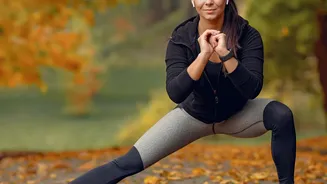
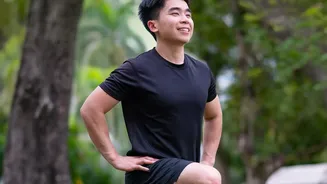
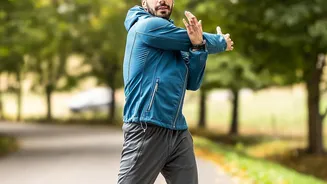
As temperatures drop, your muscles and joints can become stiffer, increasing the risk of injury. A thorough warm-up is non-negotiable. Instead of static stretches (holding a position), focus on dynamic movements for 10-15 minutes to prepare your body. Exercises like high knees, butt kicks, leg swings, and walking lunges with a torso twist increase blood flow to the muscles and take your joints through their full range of motion. This not only prepares your body for the workout ahead but also raises your core temperature, making the transition into your main exercise session smoother and safer.
Don't Forget to Hydrate
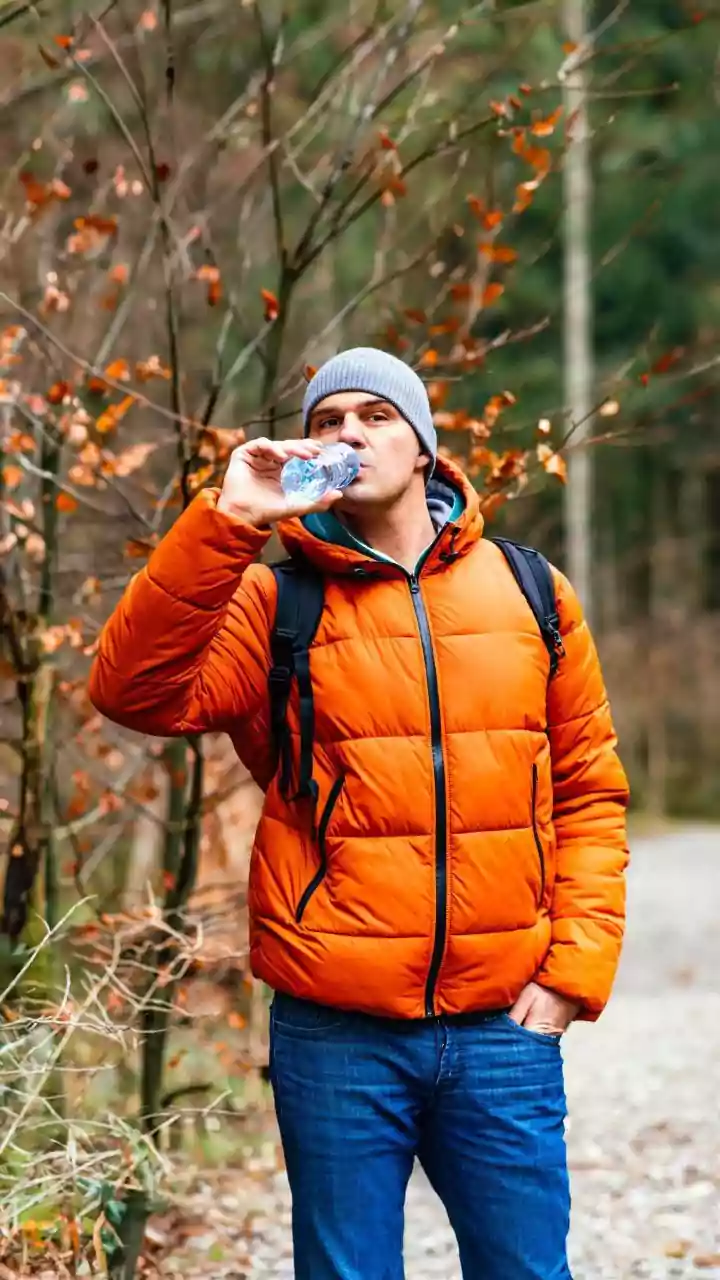
It's a common mistake to drink less water when it's not hot outside, but this can be a serious error. Your thirst response can be diminished by up to 40% in colder weather, meaning you might not feel thirsty even when your body needs fluids. You still lose significant fluid through sweat, especially with layered clothing, and even through respiration in the dry, cool air. Dehydration can lead to fatigue, headaches, and muscle cramps, undermining your performance. Make it a point to drink water before, during, and after your workout, even if you don't feel the immediate urge.
Master the Art of Layering
Dressing appropriately is key to a comfortable outdoor workout in transitional weather. The best strategy is to dress in layers that you can easily remove as your body warms up. Start with a base layer made of a synthetic, moisture-wicking material like polypropylene to pull sweat away from your skin; avoid cotton, which holds moisture. Add a middle layer of fleece or wool for insulation. Top it off with a light, waterproof, or wind-resistant outer layer that you can shed if needed. Don't forget to protect your extremities—a hat, gloves, and proper socks can make a huge difference in maintaining overall body warmth.