
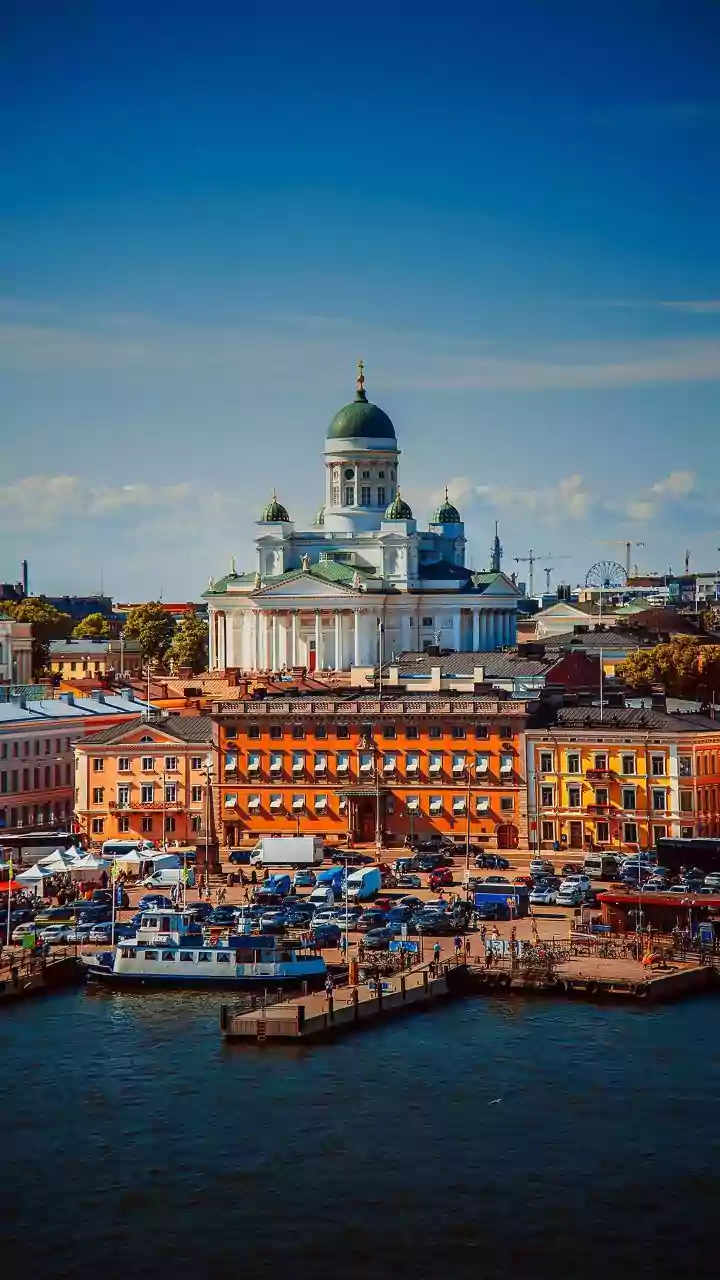

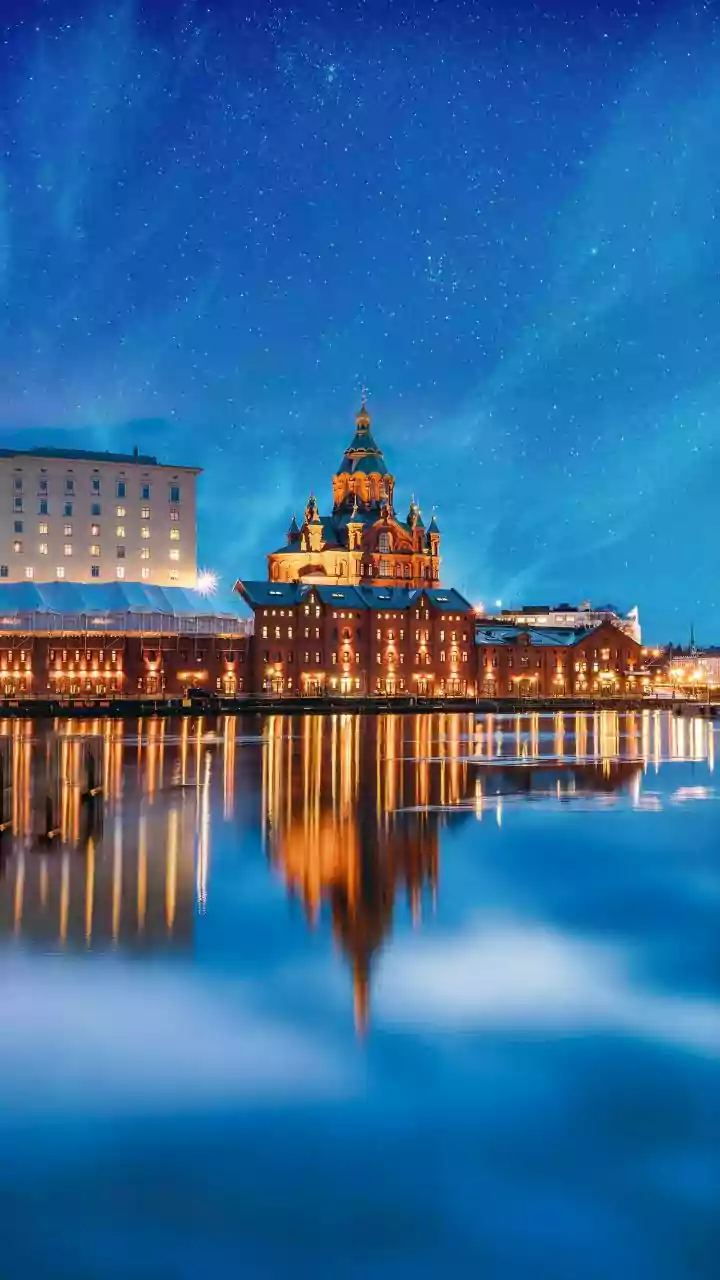


What makes a passport powerful? While visa-free travel is the usual measure, a new study suggests there’s more to it. Global Citizen Solutions has crowned Finland the winner of its ‘Happy Passports’ index, and the reasons go far beyond just travel.
Redefining the 'Powerful Passport'
For
years, passport strength has been a simple numbers game: the more countries you can enter without a visa, the better. But the Happy Passports Index 2026, published by migration consultancy Global Citizen Solutions, challenges this one-dimensional view. The study introduces a new concept, evaluating a passport's value not just by the borders it opens, but by the quality of life it represents for its citizens at home. The index scores 50 countries on four equally weighted pillars: Wellbeing (how people rate their own lives), Freedom at Home (civil liberties and personal choice), Mobility (traditional passport strength), and a combined pillar of Prosperity, Health, and Safety. This holistic approach means a 'happy passport' belongs to a country that offers its people a good life combined with wide access to the world.
How Finland Secured the Top Spot
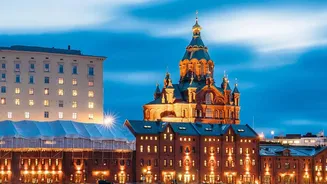
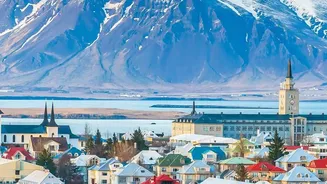
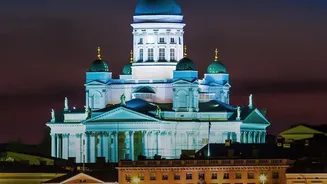
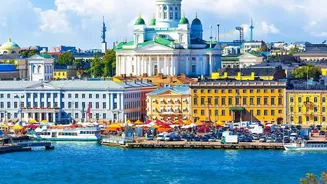
Finland’s victory, with a leading score of 93.2 out of 100, is no surprise to those who follow global quality-of-life rankings. The nation consistently tops the World Happiness Report, and this study is no different, with Finland scoring highest in the 'Wellbeing' category, where residents give their lives top marks. But it's not just about feeling good. The Finnish passport also offers strong mobility, ranking among the world's most powerful for travel access. When this is combined with high scores for civil liberties, peace, and overall living conditions, a comprehensive picture of success emerges. This balance between a high quality of life at home and the freedom to explore the world is what propelled Finland to the number one position, just ahead of Nordic neighbours Iceland and Denmark.
The Top Tier: A Club of Stability and Freedom
The top of the Happy Passports Index is dominated by European nations. Following Finland, Iceland, and Denmark are Norway, Switzerland, and Sweden, who all combine high life satisfaction with powerful passports and strong civil liberties. However, the index reveals some interesting nuances. A country can have immense passport power but lower overall happiness. For example, Singapore holds one of the world's strongest passports for mobility and ranks first for prosperity and health, but it only lands in 10th place overall due to lower scores in citizen wellbeing and freedom at home. Conversely, countries like Costa Rica rank very highly for life satisfaction despite having a less powerful travel document. The report shows that once basic needs are met, a sense of personal freedom correlates more strongly with happiness than income or even passport strength.
Where Does India Stand in the Global Picture?
While the Happy Passports Index evaluated 50 countries, India was not included in this specific study. However, data from other 2026 rankings by the same publisher, Global Citizen Solutions, provides valuable context. In their broader Global Passport Index, which looks at 197 countries, India was ranked 125th. This index uses a similar multi-faceted approach, considering mobility, investment potential, and quality of life. While India's quality of life score has shown marked improvement, its mobility score—which measures travel freedom—has not kept pace with faster-moving peers. According to other indices like the Henley Passport Index, India's passport provides visa-free or visa-on-arrival access to dozens of destinations, but the country's growing economic influence has yet to translate into the top-tier travel freedom seen in Europe and parts of Asia.