




Rethink Your Drinking Water
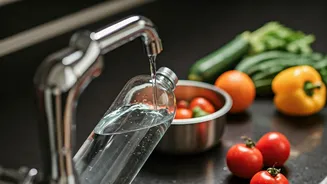
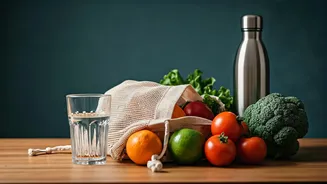
Bottled water may seem pure, but studies consistently show it can contain significantly higher levels of microplastics than tap water. The particles often come from the bottle and cap itself. Switching to filtered tap water is a powerful first step. Investing
in a good quality water filter can reduce contaminants, and using a reusable stainless steel or glass bottle for hydration on the go minimises new plastic exposure. If you must buy bottled water, try not to drink from bottles that have been left in the sun or a hot car, as heat can accelerate the leaching of chemicals into the water.
Never Microwave in Plastic
Heating food in plastic containers is a major source of exposure. Microwaving can cause millions of microplastic and even smaller nanoplastic particles to be released directly into your meal. This process also accelerates the migration of chemical additives like BPA and phthalates, which are linked to hormone disruption and other health concerns. The label "microwave safe" often refers to the container's ability to not warp or melt, not its safety for your health. Always transfer food, including leftovers and takeaways, to glass or ceramic dishes before heating. Parchment paper or a simple ceramic plate can be used to cover food instead of plastic wrap.
Swap Your Food Storage
Plastic containers, especially older, scratched, or frequently used ones, can leach chemicals into the food they hold, particularly with fatty or acidic foods. Make a gradual switch to glass, stainless steel, or ceramic containers for storing leftovers and pantry staples. These materials are non-reactive, more durable, and won't transfer unwanted substances into your food. For covering bowls, consider alternatives to cling film, such as reusable beeswax wraps or simply placing a plate on top. When buying groceries, look for items packaged in glass jars or metal cans instead of plastic tubs.
Choose Your Cookware Wisely
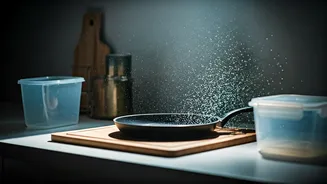
Your pots, pans, and utensils can also be a source of plastic exposure. Non-stick coatings can release plastic particles, especially when scratched or overheated. Similarly, plastic cutting boards can shed millions of particles when a knife cuts into them. Consider using cookware made from stainless steel, cast iron, or ceramic. For utensils, opt for wood, bamboo, or stainless steel instead of plastic spatulas and spoons, particularly when cooking at high temperatures.
Be Mindful of Packaged and Takeaway Foods
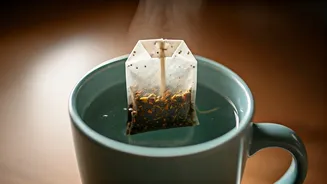
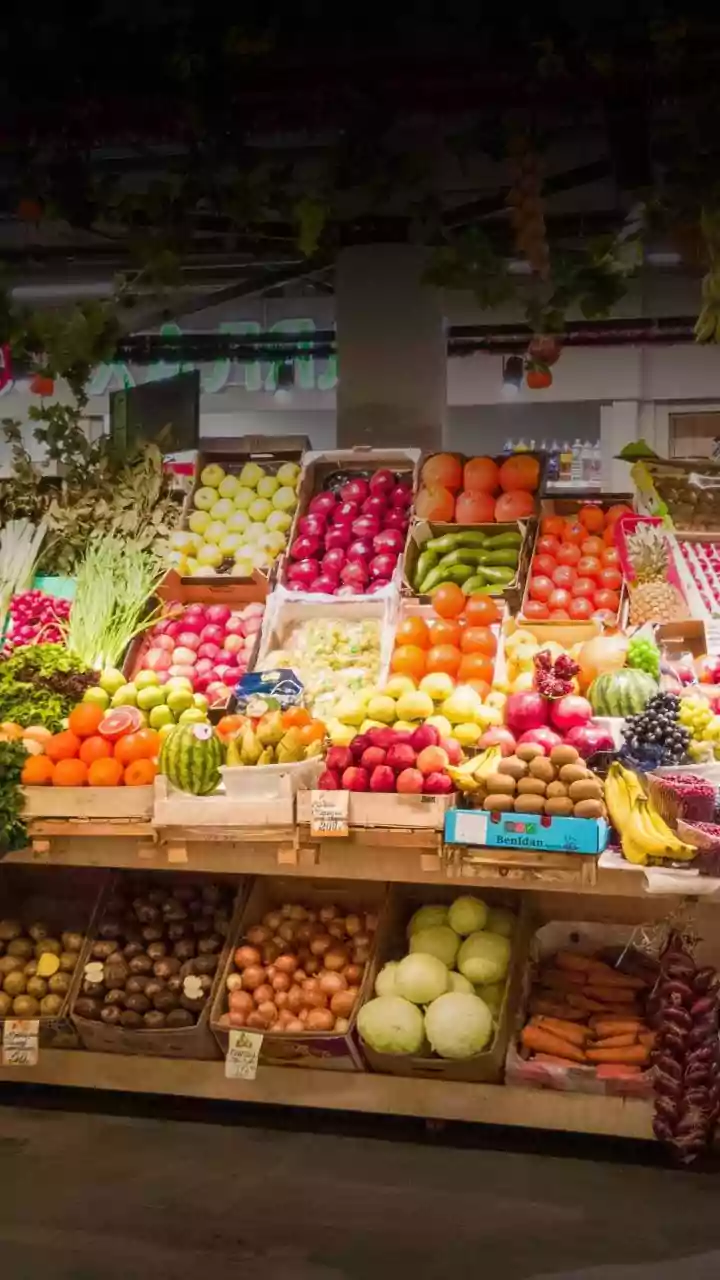
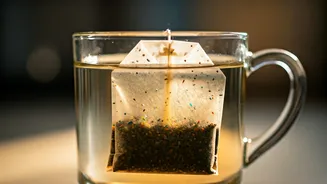
Highly processed foods and takeaways often involve extensive contact with plastic during manufacturing and packaging. Studies have shown that people who eat more meals prepared outside the home can have higher levels of chemicals like BPA. Whenever possible, opt for fresh, whole foods. Cooking at home gives you full control over your ingredients and cooking methods. When ordering takeaways, try to choose restaurants that use paper, cardboard, or other non-plastic packaging. Even some teabags are made with plastic mesh, so choosing loose-leaf tea can be a better option.