




The Old Anxieties of Solo Travel
Indian Railways is the lifeline of the nation, a sprawling network that connects the remotest corners of the country. For solo travellers, especially women, it offers an unparalleled window into India’s soul. Yet, this experience has often been tinged
with apprehension. Personal safety, navigating unfamiliar stations late at night, and dealing with unwanted attention are common concerns. For decades, the unwritten rules were simple but isolating: share your PNR number only with close family, keep your phone charged, book the upper berth for privacy, and maintain a cautious distance from fellow passengers. While effective to a degree, these measures often meant travelling inside a bubble of solitude and constant vigilance, diminishing the joy of the journey.
A Digital Safety Net Is Born
In recent years, a significant shift has occurred, driven not by an official app, but by the very people undertaking these journeys. A new ecosystem of community-driven safety portals has emerged organically. These aren't necessarily slick, venture-funded platforms. Instead, they are private Facebook groups, vetted WhatsApp circles, dedicated Reddit threads, and other closed online forums where solo travellers band together. Groups like 'Wandering Women' or 'Solo Women Travellers India' have become virtual-first communities that provide a real-world safety net. They function on principles of mutual trust and shared experience, transforming the solo journey from an act of solitary bravery into a collective endeavour.
How These Communities Work in Practice
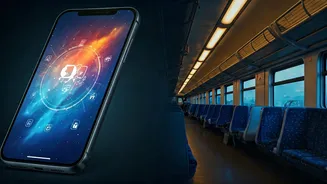
The mechanics of these digital safety nets are brilliantly simple and effective. A traveller planning a journey might post her itinerary, including train numbers and timings, into a trusted group. Other members, who might be in the same region or familiar with the route, can then keep a virtual eye on her progress. Some groups have a 'buddy system' where two or more members travelling on similar routes or schedules actively check in with each other via text at regular intervals. This could be a simple "Reached Bhopal station, all good" message or a quick call upon arriving at a hotel. The act of sharing a PNR number, once reserved for family, is now extended to this trusted digital family. It allows the community to track the train's real-time status and know exactly where their fellow traveller is supposed to be.
More Than Just an SOS Button
The value of these portals extends far beyond emergency support. They are vibrant hubs for practical, crowdsourced information that official sources often lack. New members can ask for advice on the safest way to get from a station to their hotel at 3 AM, which side of the train offers the best views, or the name of a reliable female-friendly taxi driver in a particular city. This real-time, hyperlocal intelligence is invaluable. Furthermore, these communities foster a deep sense of solidarity. Sharing stories, celebrating a successful solo trip, or simply venting about a minor frustration helps combat the loneliness that can sometimes accompany solo travel. It’s a space for empowerment, where experienced nomads mentor newcomers, turning shared anxiety into shared confidence.
The Limits of a Community Watch
While incredibly empowering, these community portals are a supplement, not a substitute, for official safety measures. They rely on the goodwill and availability of their members, who are volunteers, not a 24/7 helpline. Travellers are still strongly advised to use official channels like the Railway Protection Force (RPF) helpline (139) or the Rail Madad app for emergencies. The rise of these groups is, in many ways, a response to a perceived gap in institutional support. It highlights a continuing need for systemic improvements in passenger safety, particularly for women. The community has stepped in to fill a void, but the ultimate responsibility for ensuring a safe travel environment remains with the authorities.