




The Green Antidote to Grey Skies
There's a scientific reason why being around plants feels good. It's called the 'biophilia hypothesis', the idea that humans have an innate tendency to connect with nature and living things. During the monsoon, when we're often cooped up inside, this
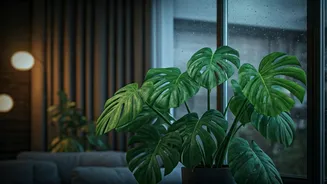
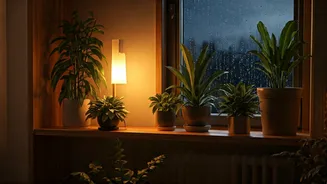
connection becomes even more crucial. Endless grey days can impact our mood, leading to feelings of lethargy or sadness. Introducing greenery into your living space can act as a powerful counterpoint. Studies have shown that even visual contact with plants can reduce stress, lower the stress hormone cortisol, and promote feelings of calm and well-being. The vibrant green of a leaf or the simple presence of a living organism can make a room feel more alive and positive, providing a much-needed psychological lift when the weather outside is gloomy.
Practical Magic: Air Purifiers and Humidifiers
Beyond the mood boost, indoor plants offer tangible benefits that are especially welcome during the rainy season. When windows are shut against the downpour, indoor air can become stale and carry pollutants. Many popular houseplants are excellent natural air purifiers, filtering out common toxins and releasing fresh oxygen. Plants like the Peace Lily, Snake Plant, and Spider Plant are known for their ability to improve air quality. Furthermore, plants can help manage indoor humidity. While some plants release moisture through transpiration, others, particularly those adapted to humid climates, can absorb excess moisture from the air through their leaves. This can help combat the damp, musty feeling that often accompanies the monsoon, preventing issues like mould and making your home environment more comfortable.
Creating Your Monsoon Sanctuary
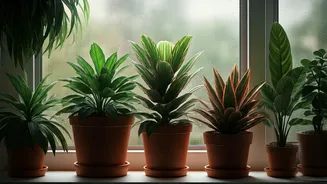
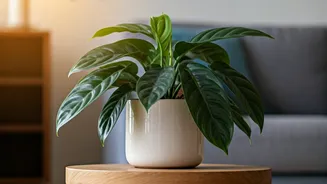
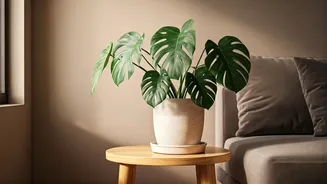
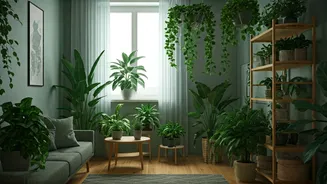
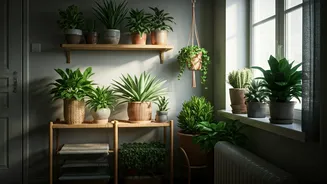
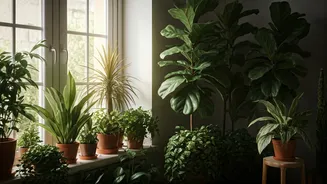
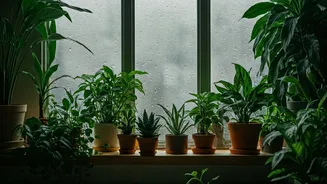
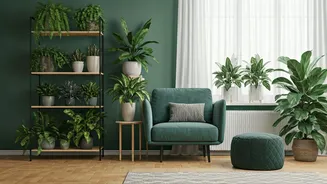
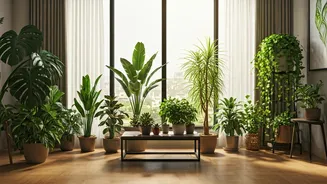
Making your home feel softer with plants is about more than just buying a few pots. It's about thoughtful placement to maximize their impact. Create a 'green corner' in your living room with a cluster of plants of varying heights and textures. Place a small, low-maintenance plant on your work desk or bedside table to ensure you have a touch of nature in the spaces where you spend the most time. A trailing plant like a Pothos cascading from a bookshelf can add a dynamic, living element to a room. During the monsoon, pay attention to the reduced sunlight. Move plants that need more light closer to east-facing windows, which receive gentle morning sun. The simple act of caring for your plants—watering them, wiping their leaves—can also become a mindful, grounding ritual that helps to break up the monotony of long days spent indoors.
The Best Green Companions for Indian Monsoons
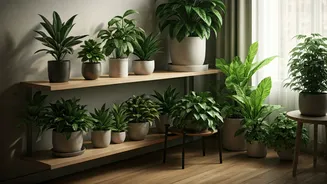
Choosing the right plants is key, especially during the darker, humid months of the monsoon. The good news is that many plants that thrive in these conditions are also famously low-maintenance. The Snake Plant and ZZ Plant are nearly indestructible, tolerating low light and infrequent watering, making them perfect for beginners or dim corners. The Money Plant (Pothos) is a staple in Indian homes for a reason; it grows vigorously in high humidity and low light. The Peace Lily is another excellent choice, as it loves humidity and can even produce its elegant white flowers in lower light conditions, adding an extra touch of beauty to a dreary day. The Spider Plant is also well-suited for the season, known for its ability to handle varied conditions and help absorb moisture from the air.