






The Cultural Heartbeat of Gold
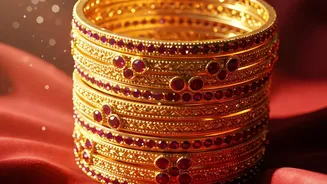
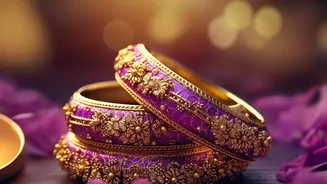
For generations, gold has been woven into the fabric of Indian life. It’s a cherished heirloom passed from mother to daughter, a sacred offering during festivals like Diwali and Akshaya Tritiya, and a symbol of wealth and security. This deep cultural
and emotional connection means buying gold is rarely just a financial transaction. It’s an expression of love, a marker of milestones, and a safety net for uncertain times. This tradition of owning physical gold is so ingrained that many families see it as a primary form of savings, a tangible asset to rely on during emergencies.
Jewellery: An Expense, Not Just an Investment
Herein lies the critical distinction modern savers must make. While gold itself is an asset, gold jewellery is primarily a consumer product. The price you pay for a necklace or bangle isn't just for the gold; it includes significant making charges, wastage fees, and GST. These additional costs can range from 10% to over 25% of the gold's value and are almost never recovered upon resale. Unlike stocks that can pay dividends or property that can earn rent, jewellery is a non-productive asset; it doesn't generate income while it sits in your locker. Thinking of it as a pure investment is a common financial mistake that can quietly erode wealth.
How Unchecked Spending Derails Financial Goals
Without a clear budget, it's easy for the emotional pull of a beautiful design to lead to overspending. Every extra rupee spent on high making charges is a rupee that isn't working for your other life goals, whether that's saving for a child's education, building a retirement corpus, or investing in assets with higher growth potential. This is known as opportunity cost. Furthermore, a heavy allocation to physical jewellery can create a portfolio that lacks liquidity. While gold is sellable, the social taboo and emotional attachment associated with selling family jewellery often mean it’s only done as a last, desperate resort. This makes it a poor emergency fund compared to more liquid assets.
Setting a Smart Gold-Buying Budget
Integrating gold purchases into your financial plan doesn't mean giving them up. It means being deliberate. Start by treating jewellery as a discretionary expense within a larger budgeting framework, like the popular 50/30/20 rule (50% for needs, 30% for wants, 20% for savings). Allocate a portion of your 'wants' category to jewellery. For larger planned purchases like a wedding, create a dedicated sinking fund. Systematically set aside money every month, much like an SIP for a mutual fund. When you are ready to buy, be a savvy consumer. Always ask for a detailed price breakdown, compare making charges between jewellers, and negotiate where possible, as these fees are not standardised.
Explore Smarter Ways to Invest in Gold
If your primary goal is to benefit from the appreciation in gold prices, consider financial instruments that offer exposure without the heavy costs of jewellery. Options like Gold Exchange Traded Funds (ETFs) and Gold Mutual Funds allow you to invest in gold through the stock market with low overheads and high liquidity. Digital gold is another convenient option for starting small, allowing you to buy fractions of a gram online. These methods separate the act of investing in gold from the cultural act of buying jewellery, allowing you to do both more effectively. For pure investment, these alternatives often provide better returns as they track the price of gold directly without deductions for craftsmanship.