





Why the Fishtail Braid Is a Traveller’s Best Friend
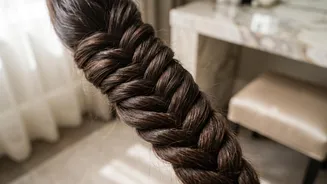
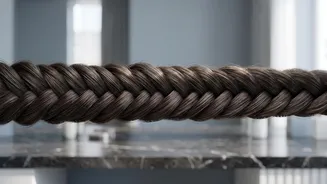
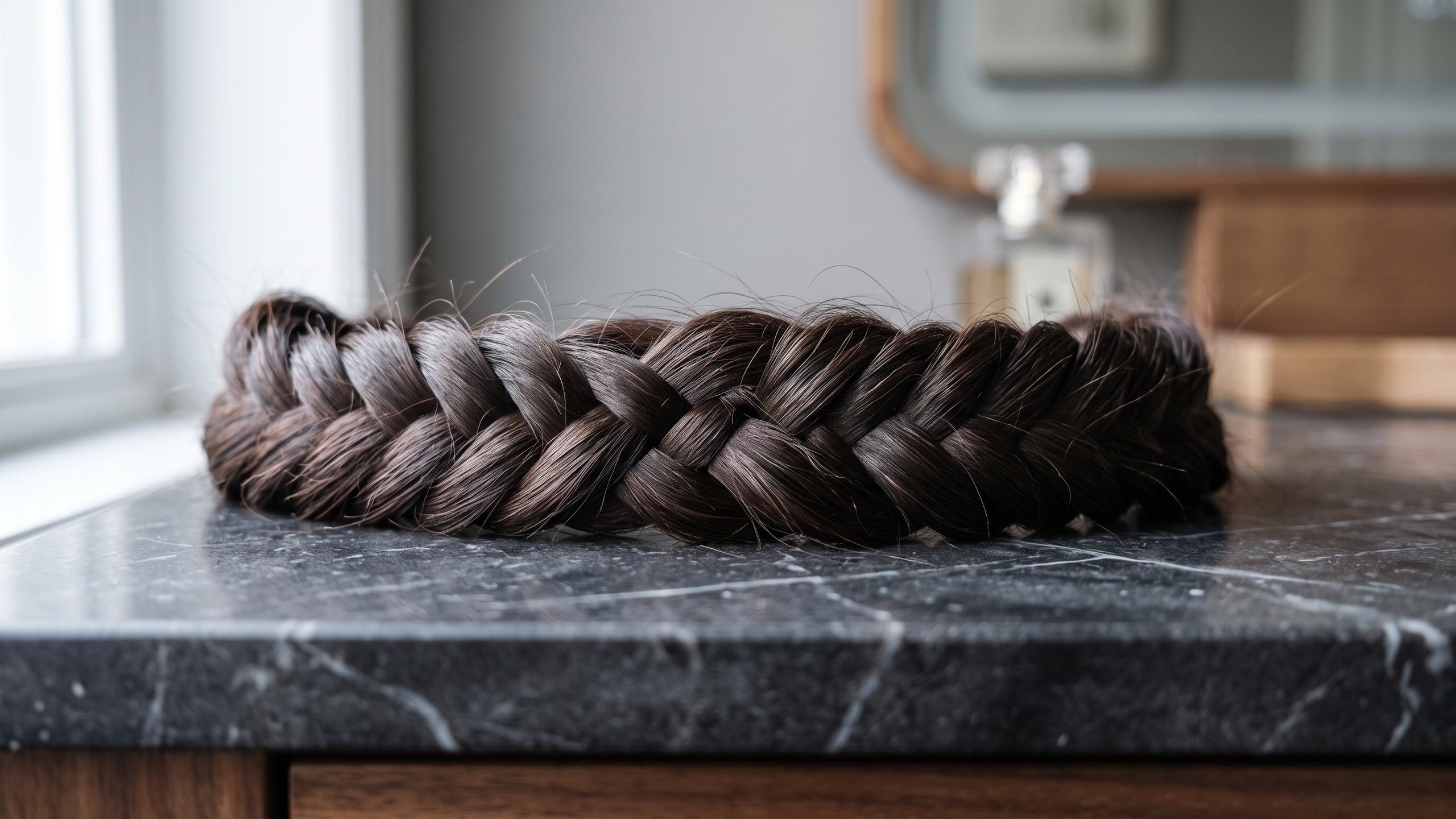
Unlike a standard three-strand braid, the fishtail braid uses an intricate, herringbone-like weave of many small sections. This structure is the secret to its staying power. By weaving small pieces of hair from two main sections, you create more friction
and a tighter, more interlocked pattern. This distributes tension evenly, making the braid less likely to loosen or fall apart, even after hours of leaning against a train window or navigating bustling crowds.Beyond its durability, the fishtail braid has a bohemian-chic appeal that looks effortlessly stylish. It appears far more complex than it actually is, giving you a polished look straight out of the gate. What’s more, it’s a style that often looks even better as the day goes on. A few loose strands can enhance its romantic, 'lived-in' feel, making it perfect for a relaxed weekend getaway where you want to look good without constantly fussing over your hair.
Mastering the Classic Fishtail Braid
Creating this elegant braid is all about rhythm. Once you get the hang of the simple two-step repeat, you’ll be able to do it without even looking. Here’s how to create the classic fishtail braid:1. Start by brushing your hair to remove any tangles. If your hair is very smooth, a light mist of texturizing spray or dry shampoo can add some helpful grip.2. Divide your hair into two large, equal sections. You can do this at the nape of your neck for a classic look, or pull it all to one side for a side braid.3. Take a small, thin strand of hair from the outer edge of the left section. Pull it across the top of the left section and tuck it underneath the right section. Essentially, you're adding it to the inside of the right bunch of hair.4. Now, do the same on the other side. Take a small, thin strand from the outer edge of the right section, pull it across the top of the right section, and tuck it underneath the left section.5. Repeat this process, alternating sides, all the way down the length of your hair. Try to keep the strands you're crossing over roughly the same size for a uniform look. The smaller the strands, the more intricate your braid will appear.6. Once you reach the end, secure the braid with a hair elastic.
Pro Tips for a Braid That Lasts
A few simple tricks can take your fishtail braid from lasting a few hours to lasting your entire journey.First, hair prep is everything. This braid holds best on hair that isn't freshly washed and silky. Second-day hair has more natural grit, which helps the strands grip each other. If you must start with clean hair, apply a texturizing mousse or sea salt spray to mimic that texture.When braiding, pull each section snugly as you cross it over. A tighter weave will always last longer than a loose one. You can always gently pull it apart later for a softer look, a technique known as 'pancaking', but start with a secure base.To combat flyaways, especially in humid weather, run a tiny amount of anti-frizz serum or hair wax over your palms before you begin braiding. Once finished, a light mist of a flexible-hold hairspray will lock everything in place without making it feel stiff.For overnight train journeys, protecting your braid is key. Tucking your braid into a silk or satin cap or sleeping on a silk pillowcase can dramatically reduce friction, preventing the frizz and loosening that come from tossing and turning.
Stylish Variations to Try
Once you've mastered the classic fishtail, you can easily adapt it for different looks. For a more formal or elegant style, try a French fishtail. This version starts high on the head, similar to a classic French braid, by gradually adding more hair into the sections you are crossing over as you work your way down. It’s a great way to keep layers and shorter pieces of hair neatly contained.Another simple yet beautiful option is the side fishtail braid. Simply sweep all your hair over one shoulder before you begin braiding. This asymmetrical style is perfect for showcasing the intricate pattern of the braid and works beautifully for both casual day trips and evening outings once you’ve reached your destination. You can even combine techniques, starting with a loose French fishtail at the crown that transitions into a classic side fishtail.