





What Exactly Is HIIT?
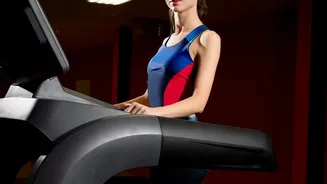
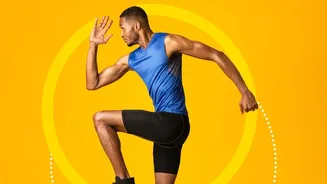
HIIT stands for High-Intensity Interval Training. The name says it all: it involves short, all-out bursts of intense exercise followed by brief recovery periods. Think 30 seconds of sprinting on a treadmill, then 60 seconds of walking, repeated for 15
to 20 minutes. The goal is to push your heart rate to 80% or more of its maximum capacity during the work intervals. This method is famous for its efficiency; you can get a powerful workout in a very short amount of time.
The Perks of Going All-Out
The main advantage of HIIT is its incredible time efficiency, making it perfect for busy professionals. A 20-minute session can deliver benefits comparable to a much longer workout. One of its most celebrated features is the 'afterburn effect,' scientifically known as Excess Post-Exercise Oxygen Consumption (EPOC). This means your metabolism stays elevated for hours after you've stopped exercising, burning extra calories as your body recovers. Studies show HIIT is excellent for improving cardiovascular health, boosting your VO2 max (a measure of aerobic capacity), and can even help build and preserve muscle mass.
And What About LISS?
LISS is the laid-back cousin of HIIT. It stands for Low-Intensity Steady-State cardio. This involves maintaining a consistent, manageable pace for a longer duration, typically 30 to 60 minutes. Examples include brisk walking, light jogging, cycling at a conversational pace, or using an elliptical machine. During LISS, your heart rate stays in a lower zone, around 50-65% of your maximum. The focus is on endurance and consistency rather than intensity.
The Case for a Slower Pace
LISS has its own set of powerful benefits. Because it's low-impact, it's much gentler on the joints, making it ideal for beginners, individuals recovering from injury, or anyone looking for a less stressful form of exercise. This lower intensity also means recovery is quicker. Many people find LISS to be meditative and effective for stress reduction, acting as a mental break from a hectic workday. It’s also excellent for building a solid aerobic base and improving your body’s ability to use fat for fuel during exercise.
Counteracting the Desk-Bound Slump
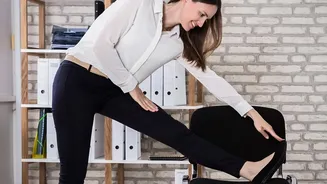
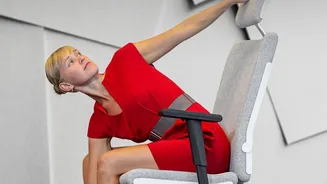
Sitting for prolonged periods can slow your metabolism and increase health risks, a phenomenon some researchers call "exercise resistance." Even a daily workout can struggle to fully offset eight hours of sitting. This is where both HIIT and LISS can help. A quick HIIT session can powerfully counteract metabolic slowdown, while a longer LISS session provides sustained movement, improves blood flow, and helps clear the mental fog. Research shows that even short, light walking breaks throughout the day can significantly improve blood glucose and blood pressure levels.
How to Choose Your Cardio Champion
The best choice really depends on your goals, schedule, and personal preference. Choose HIIT if: - You are short on time and need an efficient workout. - Your primary goal is to maximize calorie burn and boost your metabolism. - You enjoy pushing yourself with intense challenges and have a solid fitness base. Choose LISS if: - You are a beginner or recovering from an injury. - Your main goals are stress reduction, active recovery, or building endurance. - You prefer longer, more relaxed workouts that you can sustain consistently.