



The Nutritional Power of Sattu
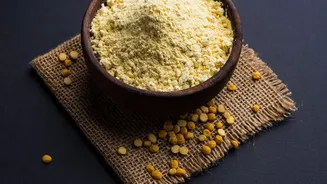
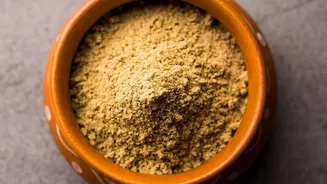
Sattu, a flour made from roasted Bengal gram, has been a staple in Indian diets for centuries, especially in regions like Bihar, Jharkhand, and Uttar Pradesh. Often called a 'desi protein powder', it is celebrated for its impressive nutritional profile.
Sattu is rich in plant-based protein, containing about 20 grams per 100-gram serving, making it an excellent choice for vegetarians and vegans. It is also packed with dietary fibre, which aids digestion, promotes gut health, and helps you feel full for longer, assisting in weight management. Furthermore, it has a low glycemic index, meaning it releases energy slowly and helps regulate blood sugar levels, preventing the sharp spikes and crashes associated with sugary foods. Its natural cooling properties make it a traditional favourite for beating the summer heat and staying hydrated.
The Basic Sattu Smoothie Bowl Recipe
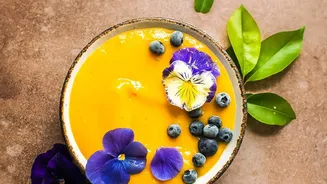
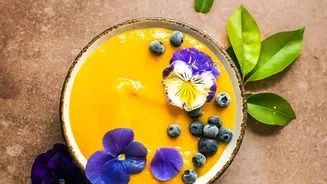
Creating a sattu smoothie bowl is surprisingly simple. The goal is a thick, spoonable consistency, not a drink. For a single-serving base, you will need just a few key ingredients. Start with 3 to 4 tablespoons of sattu flour. Add about half a cup of a creamy liquid base, like curd (yogurt) or a plant-based milk such as almond or oat milk. For natural sweetness and a thick texture, a frozen banana is the perfect addition. If you don’t have a frozen one, a regular banana will work, but you may need to add a few ice cubes to achieve a thicker consistency. Blend these ingredients until smooth. You can add a splash more liquid if it’s too thick to blend, but be careful not to make it runny. This simple combination creates a nutritious canvas ready for your high-protein upgrades.
Upgrade Your Bowl with More Protein
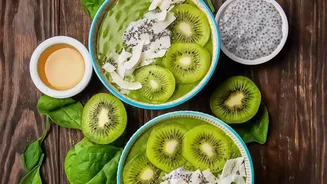
To truly turn your smoothie bowl into high-protein fuel, consider adding other protein-rich ingredients. A tablespoon of nut butter, like almond or peanut butter, not only boosts the protein content but also adds healthy fats and a rich, creamy flavour. Adding a scoop of seeds like chia or flax seeds is another excellent strategy; they also contribute healthy omega-3 fatty acids and extra fibre. For those who use it, a scoop of your favourite unflavoured or vanilla protein powder can also be mixed in. Combining sattu with other plant-based sources like oats can help create a more complete amino acid profile, enhancing the overall protein quality of your meal.
Perfecting the Flavour and Toppings
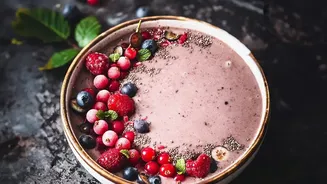
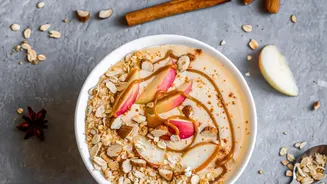
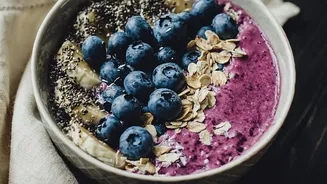
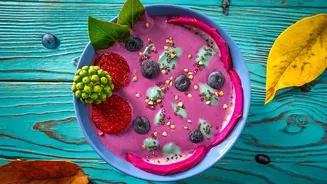
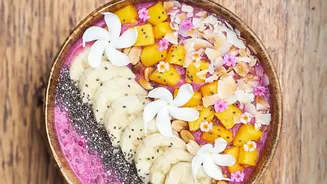
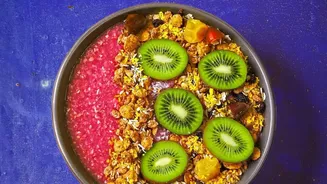
A great smoothie bowl is as much about the toppings as it is about the base. This is where you can add texture, flavour, and even more nutrients. For a classic Indian touch, add a pinch of cardamom powder or cinnamon to the blend. Once your smoothie base is in the bowl, get creative with toppings. Fresh fruits like sliced banana, berries, or pomegranate seeds add natural sweetness and vitamins. For a satisfying crunch, sprinkle on a handful of chopped almonds, walnuts, or pumpkin seeds. A final drizzle of raw honey or jaggery syrup can add a touch of sweetness if needed. These toppings not only make the bowl more visually appealing but also round it out into a complete and balanced meal.
Tips for the Ideal Smoothie Bowl
To achieve that perfect, thick, ice-cream-like texture, always try to use frozen fruit. A frozen banana is the gold standard for a creamy smoothie bowl base. If your smoothie ends up too thin, add a few more pieces of frozen fruit, a couple of ice cubes, or another tablespoon of sattu and blend again. To avoid a gritty texture, ensure your sattu is finely ground and well-blended. If you're short on time in the mornings, you can pre-portion your dry ingredients (sattu, seeds, protein powder) into containers. This way, all you have to do is add your liquid and frozen fruit to the blender for a quick and energizing breakfast.