





Understanding the 'Ramayana Masam'
Karkidakam, the last month in the Malayalam calendar, begins around mid-July, starting on July 17 in 2026. It's a period marked by intense monsoon rains, which historically made it a challenging time. Traditionally known as 'Panja Masam' or the month of
scarcity, farming would halt, and the risk of water-borne diseases would rise. This led to a cultural shift towards introspection, spiritual pursuits, and physical rejuvenation. The month is also called 'Ramayana Masam', as families traditionally spend the evenings reciting the epic Ramayana for spiritual strength. However, the most significant aspect of Karkidakam is its emphasis on Ayurvedic wellness, known as 'Karkidaka Chikitsa'. It is believed that during the monsoon, the body is especially receptive to healing and detoxification.
The Star of the Season: Karkidaka Kanji
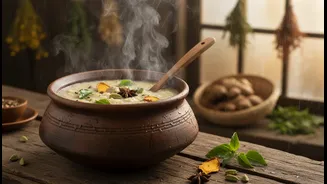
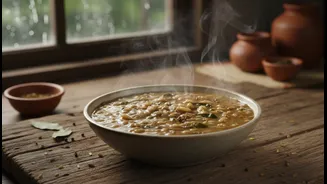
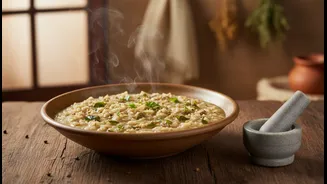
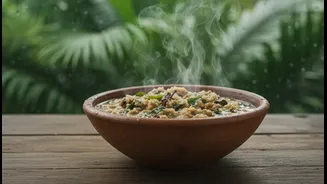
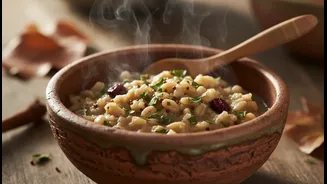
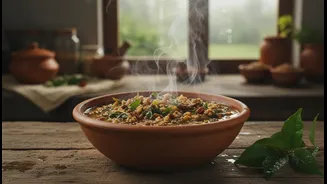
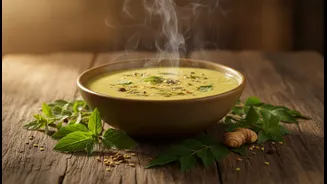
Central to this wellness regimen is Karkidaka Kanji, also known as Oushadha Kanji or Marunnu Kanji (medicinal porridge). It is far more than a simple meal; it's a carefully formulated blend of food and medicine designed to bolster the body against the challenges of the monsoon. According to Ayurveda, the digestive fire, or 'Agni', is at its weakest during the rainy season, making the body susceptible to illness. Karkidaka Kanji is designed to be light, easily digestible, and packed with ingredients that rekindle this digestive fire, boost immunity, and help flush out toxins ('Ama') that accumulate in the body. This practice is a direct application of 'Ritucharya', the Ayurvedic principle of adapting one's diet and lifestyle to the changing seasons.
Inside the Healing Porridge
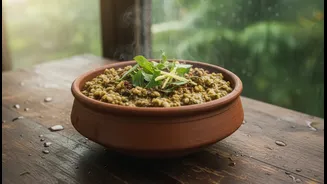
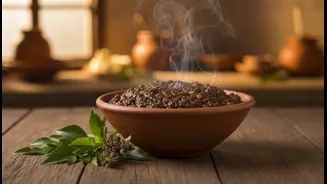
So, what makes this porridge so special? The ingredients are chosen for their specific therapeutic properties. The base is often Njavara rice, a unique Keralan variety known for its medicinal qualities and ability to balance the body's 'doshas'. To this, a host of herbs and spices are added. Common ingredients include fenugreek (uluva), cumin (jeerakam), dry ginger (chukku), and black pepper, which all help to improve digestion and metabolism. The porridge is typically cooked in coconut milk, and jaggery is sometimes added for taste. The most potent element is a special blend of medicinal herbs, often called a 'kizhli' or 'kootu', which can include powerful Ayurvedic combinations like Dashamoola (a group of ten roots) and Dashapushpam (ten sacred flowers). These herbs provide anti-inflammatory and immune-boosting benefits.
A Tradition for the Modern Kitchen
For today’s home cooks and food enthusiasts, embracing this tradition has never been easier. While in the past, families would gather the specific herbs from their gardens, the practice has adapted to modern life. Many Ayurvedic brands and local stores now offer 'Karkidaka Kanji kits' that contain all the necessary dry ingredients, including the Njavara rice and the powdered herbal mixture. This makes it simple for anyone to prepare this healing porridge at home. The traditional practice involves consuming the kanji, usually as a light dinner, for a period of 7, 14, or 21 days to experience its full benefits. While enjoying the kanji, it's advised to avoid heavy, oily, and non-vegetarian foods to allow the body to fully detoxify and rejuvenate.