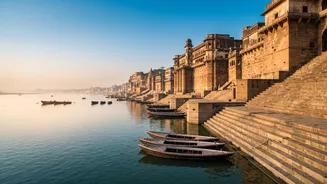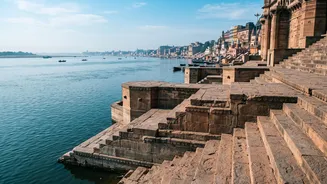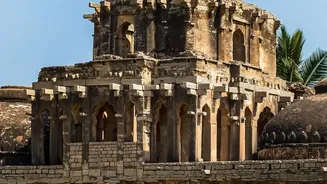

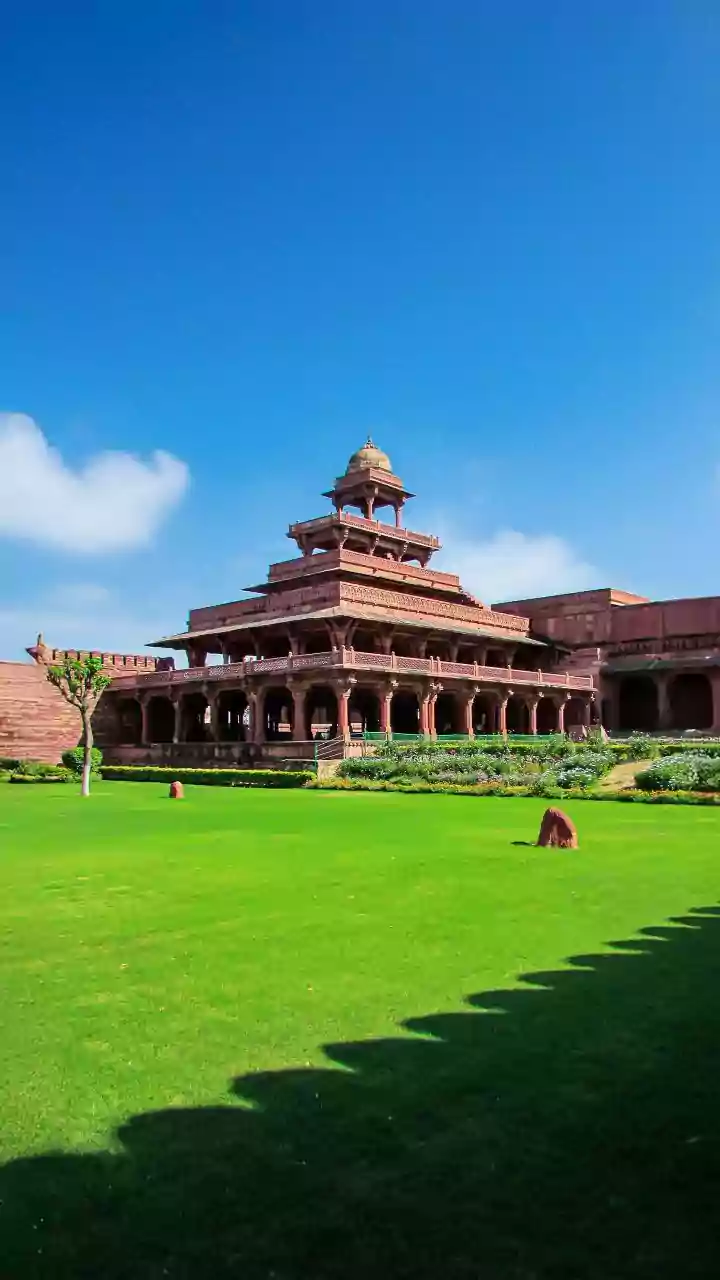


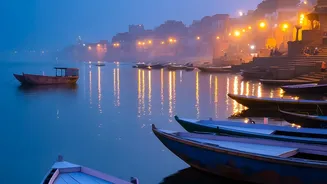

The Indian travel landscape is changing. For a growing number of young Indians, the ideal getaway is no longer just a beach or a hill station. They are increasingly packing their bags for Hampi, Varanasi, and countless other heritage sites.
From Leisure to Learning
There’s a clear
shift in how younger generations view travel. What was once purely about leisure is now driven by a desire for more meaningful engagement. According to a Skyscanner report, a remarkable 82% of Indian travellers are now choosing destinations for their cultural offerings, a trend led by Millennials (84%) and Gen Z (80%). For them, a trip's success isn't measured by relaxation alone, but by the new perspectives and knowledge gained. They are actively planning holidays around festivals like Durga Puja and historical sites, signalling that culture is no longer an afterthought but the main event.
The Search for Authenticity
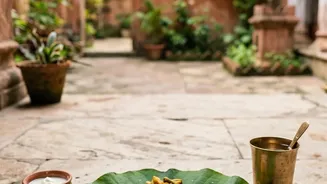
In a hyper-connected, digital world, there's a growing thirst for experiences that feel real and unfiltered. Young travellers are actively seeking authenticity, which they find in the living history and traditions of India. They want to connect with local communities and understand different cultures, returning home with more than just photos. This has led to a boom in experiential travel, where the goal is to participate rather than just observe. From culinary trails that explore the historic roots of local cuisines to stays in heritage villages, the focus is on immersive journeys. This search for genuine connection is a rejection of standardised tourism in favour of something more personal and profound.
A Connection to Identity and Roots
This trend is also deeply connected to a renewed interest in personal and national identity. For many young Indians, exploring the country's architectural marvels and ancient traditions is a way of understanding their own heritage. This isn't just about history; it's about finding a sense of belonging and pride in a rapidly globalising world. This cultural resurgence is visible not just in travel but also in a growing interest in classical arts, regional festivals, and spiritual practices. Travel within India becomes a journey of self-discovery, offering a tangible link to the past that helps inform their present and future.
Digital Discovery and Curated Storytelling
Paradoxically, the digital world is a major catalyst for this engagement with the ancient world. Social media platforms like Instagram have become powerful tools for discovery, exposing travellers to lesser-known heritage sites and unique cultural experiences. A compelling reel or a stunning photograph can spark interest in a place that wasn't on the mainstream tourist map. This isn't just about posting a selfie. For many, it’s about digital storytelling—crafting a narrative around their journey and sharing their discoveries with a wider audience. Platforms that reward distinctive content have made India's vibrant cultural heritage a perfect subject, allowing young creators to become digital translators of ancient traditions.
The New Shape of Hospitality
This shift in traveller behaviour is reshaping the hospitality industry. The focus is moving from asset_led models (like traditional hotels) to experience_led ones. Young travellers are looking for stays that facilitate cultural immersion and community interaction, not just a place to sleep. This has given rise to boutique hotels in heritage properties, homestays, and hostels that partner with local guides and artisans to offer integrated experiences. By prioritising authenticity, value, and interaction, these new hospitality models are catering directly to the motivations of a generation that values experiences over simple luxury.