

The 'Why' Behind the Fill Line
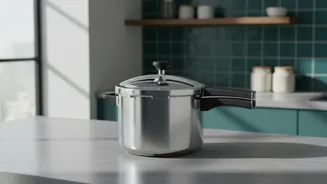
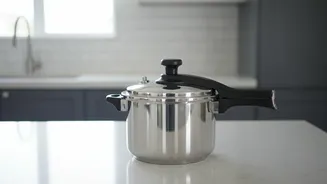
A pressure cooker works by using a liquid, typically water or broth, to create a high-pressure steam environment. This steam is what cooks food so quickly and efficiently. For this to happen, there needs to be a perfect balance. There must be enough liquid to generate
sufficient steam to build pressure. However, there also needs to be enough empty space in the pot for that steam to collect and circulate. Think of it as a carefully controlled science experiment in your kitchen. Getting the fill level wrong disrupts this balance, leading to either poor cooking results or, in some cases, a dangerous mess.
The Dangers of Overfilling
Most modern pressure cookers, especially electric models like the Instant Pot, come with multiple safety features. However, overfilling the pot can compromise these systems. The most common rule is to never fill a pressure cooker more than two-thirds full with food and liquid. When there's too much content, the boiling liquid can rise and block the pressure release valve. This can prevent the cooker from venting excess steam, causing pressure to build to potentially unsafe levels. At best, this can lead to hot liquid and food particles sputtering out of the valve, creating a huge mess on your countertop and ceiling. At worst, a blocked valve can lead to a dangerous buildup of pressure. Overfilling also results in watery, bland food, as the excess liquid boils and dilutes flavours, turning your ingredients mushy.
The Problem with Underfilling
While not as immediately hazardous as overfilling, using too little liquid also causes problems. The pressure cooker needs a minimum amount of liquid—generally between 1 and 2 cups depending on the size of your appliance—to create the steam necessary to reach pressure. Without it, the pot can't seal properly. This can lead to your food scorching on the bottom of the pot as it heats without the protection of steam. The cooker may repeatedly try and fail to reach pressure, or it might simply cook your food unevenly, leaving you with a dish that is burnt in some spots and undercooked in others.
A Guide for Different Foods
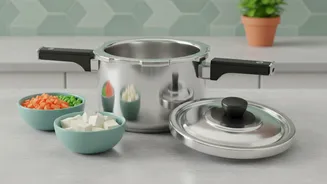
The general two-thirds rule is a great starting point, but some foods require special consideration. Foods that expand or foam, like beans, grains, pasta, and lentils, need more headspace. For these ingredients, you should never fill the cooker more than halfway full. This gives them ample room to absorb water and expand without clogging the works. For soups, stews, and other primarily liquid dishes, you can stick closer to the two-thirds maximum fill line. When cooking meats or vegetables that release their own liquid, you can often get away with just the minimum amount of liquid required by your cooker (usually 1 to 1.5 cups for a standard 6-quart model) to get the pressure-building process started.
Reading the Lines
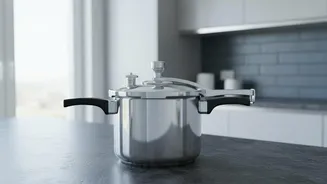
Fortunately, most electric pressure cookers make this easy for you. The inner pot is typically marked with lines indicating the halfway point and the two-thirds (or "MAX") fill line. Always use these as your guide. Stovetop pressure cookers might not have these markings, so you'll have to eyeball the levels. A good habit is to always consult the user manual for your specific model, as it will provide the most accurate guidance on minimum liquid requirements and maximum fill levels. When in doubt, it is always better to underfill slightly than to risk overfilling.