



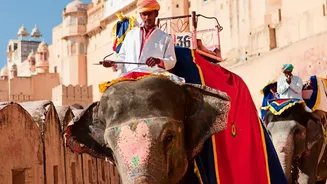

From Sightseeing to 'Sight-Doing'
For generations, the great Indian holiday was about seeing as much as possible. Today, travellers are trading in this passive approach for what’s being called 'sight-doing' or experiential travel. This is a fundamental move away from standard itineraries
towards immersive journeys built around personal interests. Instead of just visiting a place, the goal is to engage with its culture, lifestyle, and traditions. This could mean learning a local craft, participating in a farm stay, or mastering a regional recipe. The experiential travel market in India is booming, projected to become a dominant force by 2030, driven by younger travellers seeking authentic engagement over conventional tourism.
Who Is the New Indian Traveller?
This transformation is being led by a younger, more curious, and digitally-connected generation of Indians. With rising disposable incomes and greater influence over family decisions, travellers in the 18-35 age group are a major force in the market. They prioritise personal enrichment and unique stories, often fuelled by the desire for distinct content on social media platforms like Instagram and YouTube. Studies show that a majority of Indian travellers are influenced by social media when choosing destinations. This has led to a surge in interest for everything from solo trips to wellness retreats, as travellers look for unique experiences that reflect their personal values and aspirations.
A Holiday for Every Hobby
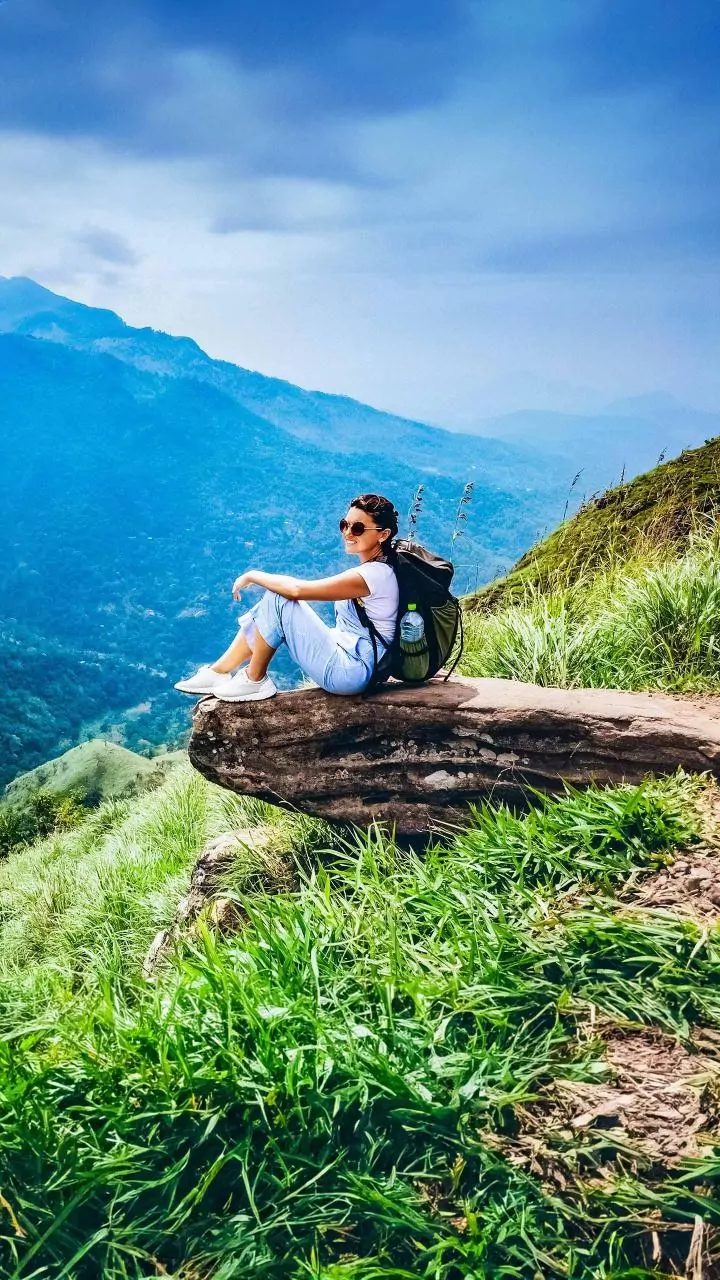
The beauty of interest-based travel lies in its sheer diversity. For food lovers, culinary tourism is a rapidly growing segment, with travellers planning entire trips around gastronomic experiences. This includes street food walks, cooking classes, and food festivals, with the market expected to grow significantly. Adventure tourism is another major draw, with the market projected to be worth over USD 88 billion by 2034. Activities range from trekking in the Himalayas to water sports along India's vast coastline. Similarly, the wellness tourism market, which includes yoga retreats, Ayurveda therapies, and spa vacations, is also expanding as people seek holidays that offer relaxation and rejuvenation. These niche interests are turning hobbies into the very foundation of travel planning.
The Market Responds with Niche Expertise
As traveller demands have evolved, so too has the industry. While large online travel agencies continue to dominate bookings, a new ecosystem of specialized tour operators has emerged. These smaller, often founder-led companies cater specifically to niche interests, offering everything from curated bike trips and photography workshops to women-only travel groups and accessible holidays for differently-abled individuals. These operators provide deep expertise and a level of personalization that larger platforms often cannot match. They build communities around shared passions, transforming a simple holiday into a shared journey of discovery.
Beyond the Tourist Trail
One of the most significant impacts of this trend is the diversification of tourism's economic benefits. Interest-based travel often leads people away from crowded hotspots and into lesser-known regions. A textiles tour might support weavers in a remote village, while an adventure trip can create opportunities for local guides in mountainous areas. This shift promotes a more sustainable model of tourism, distributing income more evenly and fostering genuine connections between travellers and host communities. By focusing on authentic experiences, travellers are not only enriching their own lives but also contributing directly to the preservation of local cultures and economies.