
From Nostalgia to Nutrition
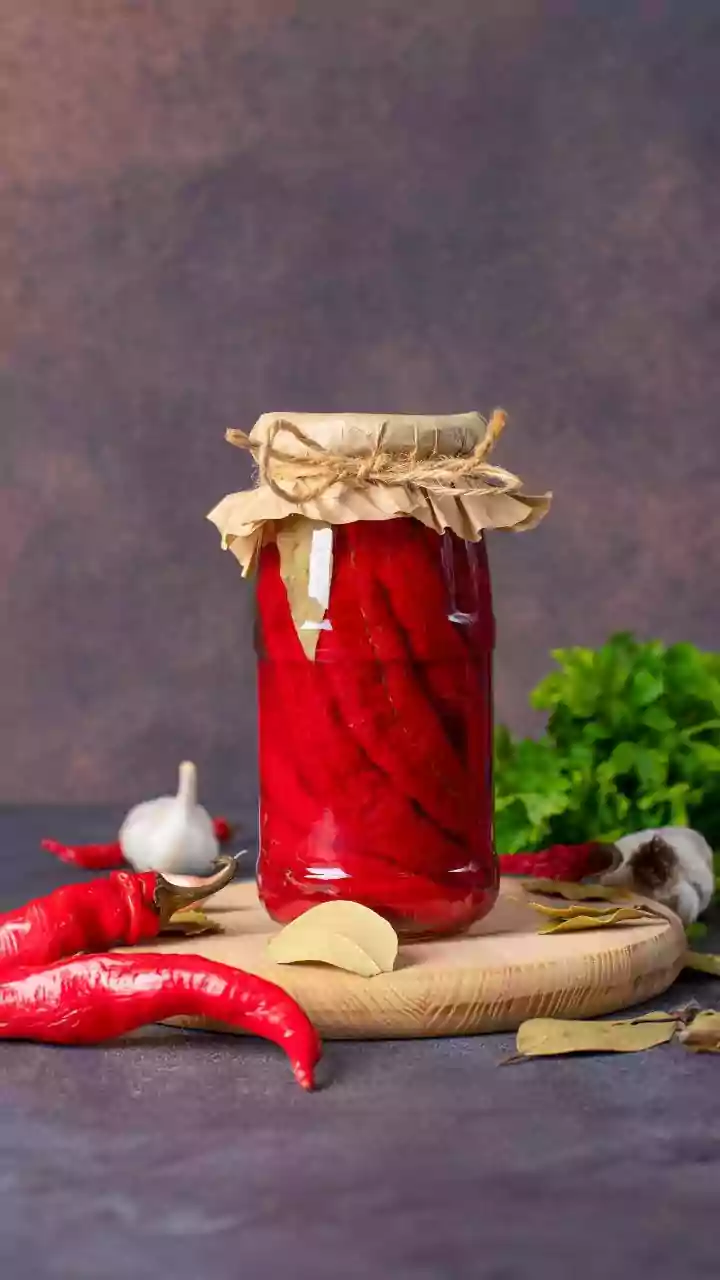
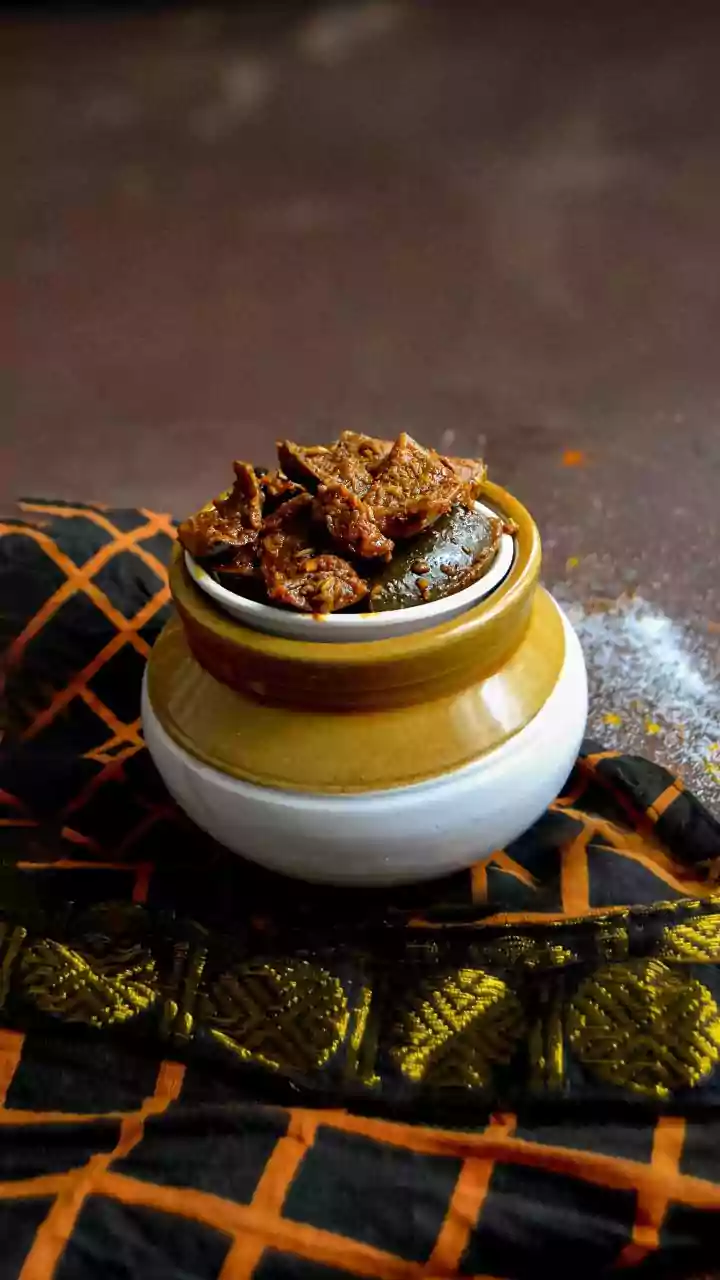
The familiar, oil-drenched mango or lime pickle, lovingly prepared and sun-dried on terraces, is a cornerstone of Indian food memory. For generations, this has been the undisputed taste of 'achaar'. Yet, a shift is underway. Driven by a growing consciousness
around gut health, urban Indians are rediscovering a different kind of pickle—one that is crunchy, tangy, oil-free, and teeming with beneficial live bacteria. This isn't about replacing the classics but expanding the pantry. The motivation has evolved from mere preservation and taste to active nutritional gain, connecting the wisdom of our grandmothers with the modern language of wellness and probiotics.
The Probiotic Powerhouse Explained
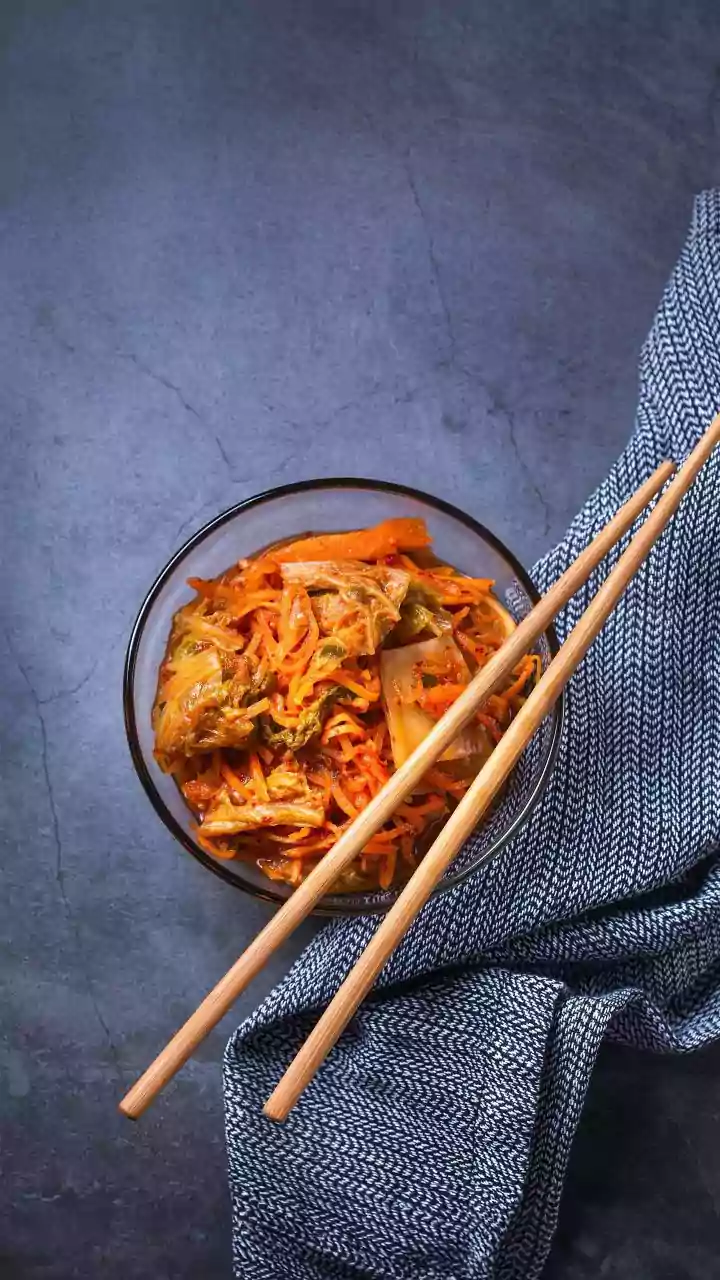
So, what’s the big deal with probiotics? Simply put, they are live, beneficial bacteria that support the complex ecosystem in your gut, known as the microbiome. A healthy gut is linked to better digestion, stronger immunity, and even improved mental well-being. While commercially produced yogurts are often cited as a key source, many traditional food preparations are naturally rich in these microbes. The trend of fermented foods is seeing a major revival in India, as people look for natural, affordable ways to counter the effects of modern lifestyles. Oil-free pickles, created through lacto-fermentation, are emerging as a star in this movement.
The Science of Lacto-Fermentation
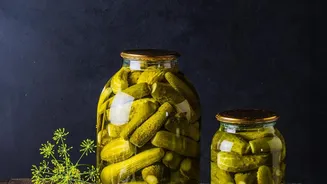
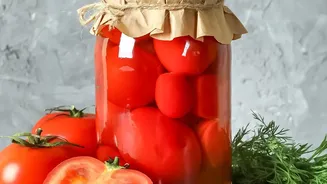
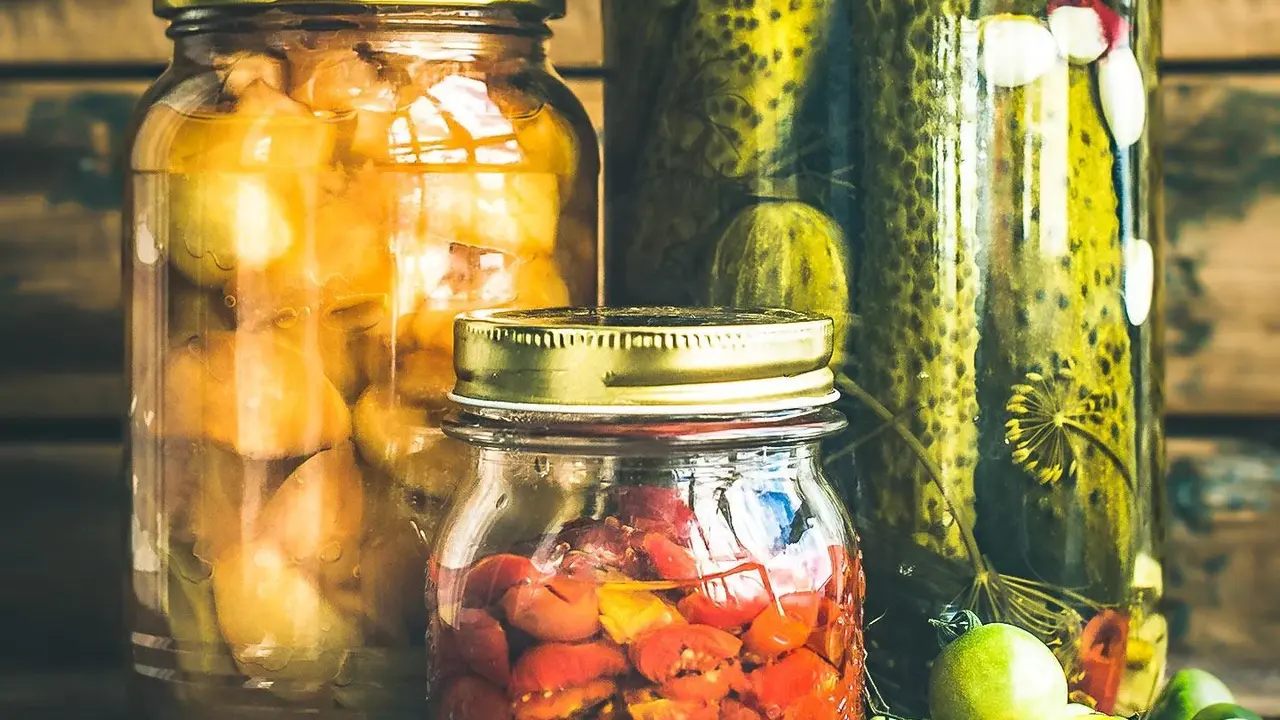
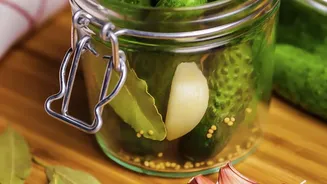
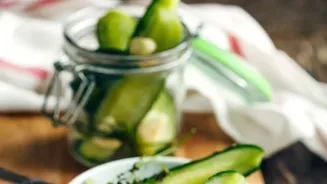
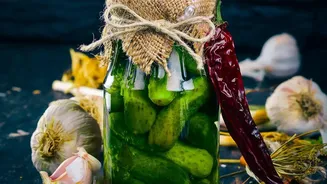
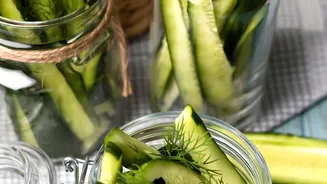
Unlike conventional pickles that rely on oil or vinegar as a preservative, these oil-free versions use a process called lacto-fermentation. The method is beautifully simple: vegetables are submerged in a brine of salt and water. This environment inhibits the growth of harmful bacteria while allowing beneficial Lactobacillus bacteria, naturally present on vegetables, to thrive. These bacteria convert the natural sugars in the vegetables into lactic acid. This acid acts as a natural preservative, giving the pickles their characteristic sour taste and, most importantly, creating a food that is alive with gut-friendly probiotics. The result is a crunchy, vibrant pickle that offers health benefits that oil-based pickles, designed for long shelf-life through a different preservation method, do not.
More Than Just Gut Health
The benefits of making the switch extend beyond probiotics. Because they are oil-free, these pickles are significantly lower in calories and fat, making them a heart-friendly condiment. The fermentation process can also make the nutrients in the vegetables, such as vitamins and antioxidants, more bioavailable, meaning your body can absorb them more easily. Many find these pickles easier to digest, as they help reduce bloating and regulate acidity. For home cooks, it’s also a sustainable practice, offering a fantastic way to preserve seasonal vegetables like carrots, cauliflower, and radish without relying on heavy oils or artificial preservatives.
A Crunchy Return to Roots
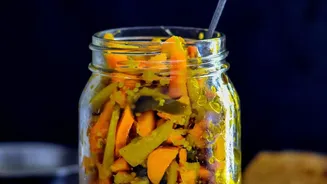
This revival of oil-free pickles is part of a larger back-to-basics movement in urban India. As awareness of lifestyle disorders grows, so does the desire to reconnect with traditional food wisdom. Home chefs and small, health-focused businesses are increasingly offering small-batch, sun-fermented pickles that taste like they came straight from a family kitchen. They are marketed as 'probiotic,' 'oil-free,' and 'natural,' finding a ready audience among those tired of mass-produced foods. From nimbu ka achaar preserved only in its own juices and salt to crunchy gajar-gobhi pickles fermented with mustard seeds, these recipes are a testament to the fact that healthy eating doesn't have to be bland or boring.