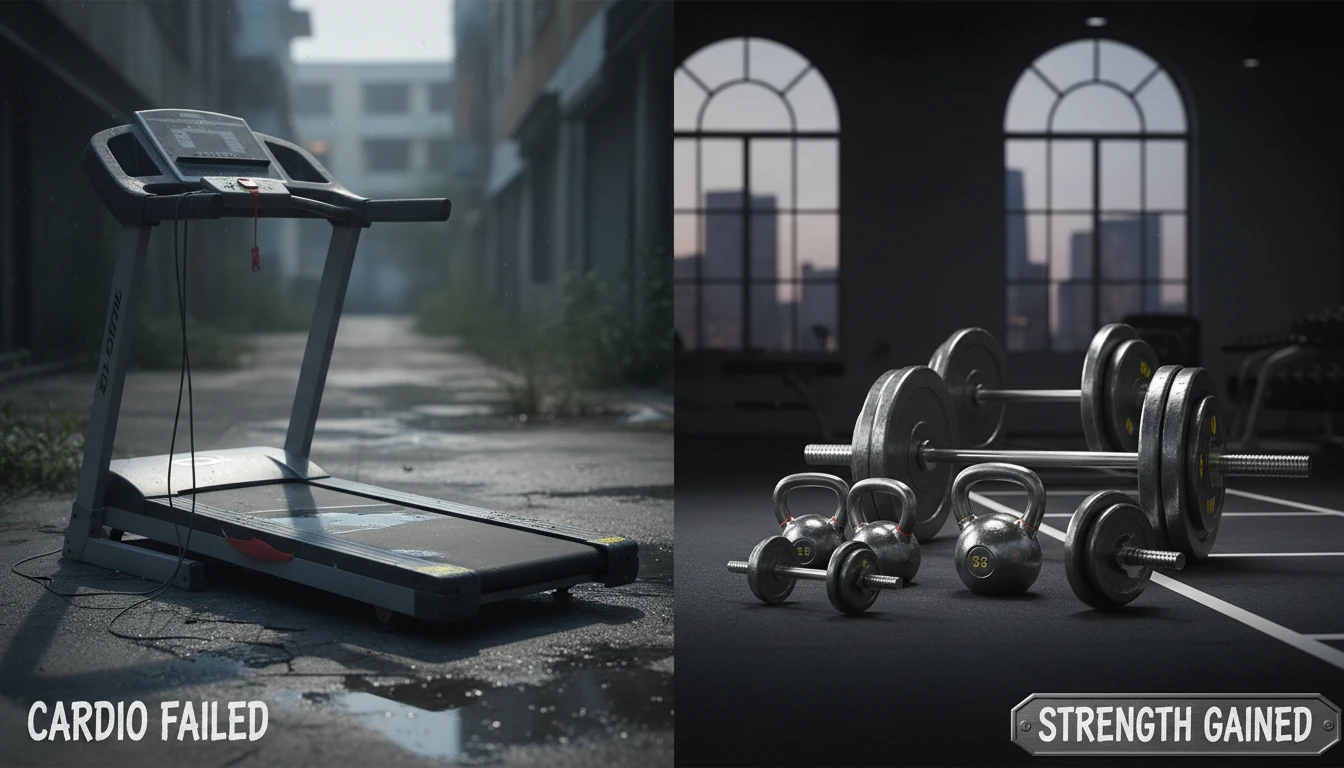





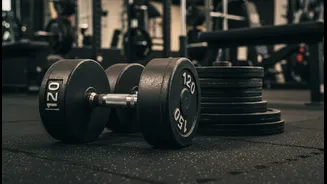


The Foundation: Resistance for a Higher Metabolism
Resistance training is any exercise that causes your muscles to contract against an external force. This includes lifting weights, using resistance bands, or even just your own bodyweight. Its primary benefit is building and preserving lean muscle mass.
Muscle is metabolically active tissue, meaning it burns calories even when you're resting. The more muscle you have, the higher your resting metabolic rate (RMR), turning your body into a more efficient calorie-burning engine around the clock. This process, known as muscle hypertrophy, is crucial for long-term body composition changes and helps offset the natural muscle loss that comes with age. Beyond just calorie burn, resistance training also improves insulin sensitivity and hormonal balance, which are key components of a healthy metabolism.
Redefining Cardio: Moving Beyond the Treadmill
When people hear 'cardio', they often picture long, monotonous sessions on a treadmill. But 'smarter cardio' is about using different types of cardiovascular exercise strategically to achieve specific goals. This approach primarily involves two key methods: High-Intensity Interval Training (HIIT) and Low-Intensity Steady State (LISS). HIIT involves short, all-out bursts of effort followed by brief recovery periods. This method is incredibly time-efficient and creates a significant 'afterburn' effect, known as excess post-exercise oxygen consumption (EPOC), where your body continues to burn calories for hours after the workout is over. LISS, on the other hand, involves longer sessions of low-intensity exercise, like a brisk walk or a light cycle. This form of cardio is less stressful on the body, aids in recovery, and is excellent for burning fat without causing excessive fatigue.
The Synergy: Why They Work Better Together
The magic happens when you combine resistance training with smarter cardio, a practice known as concurrent training. This isn't just about doing two types of exercise; it’s about creating a synergistic effect where the benefits are amplified. Strength training builds the muscle that boosts your metabolism, while smart cardio torches calories and improves heart health without cannibalizing those hard-earned muscle gains. In fact, studies show that aerobic exercise can actually support muscle protein synthesis, the very process that builds muscle. Combining the two also leads to better overall health outcomes, including a lower risk of cardiovascular disease, than doing either one alone. This integrated approach improves your body's ability to burn fat, build strength, and enhance endurance simultaneously.
Structuring Your Week for Maximum Results
How you structure your workouts matters. The long-standing fear that cardio will 'kill your gains' is largely a myth, but timing is important to minimize what scientists call the 'interference effect'. For most people whose primary goal is to build strength or muscle, the general consensus is to perform cardio after your resistance training session. Doing intense cardio beforehand can deplete the glycogen your muscles need for a powerful lifting session, potentially reducing your performance. Alternatively, you can perform cardio and resistance training on separate days. This allows for optimal recovery and ensures you can give maximum effort to each discipline. Using a mix of HIIT and LISS throughout the week can provide the perfect balance—HIIT for a quick, intense metabolic boost, and LISS for active recovery and sustained fat burning.