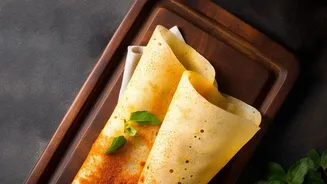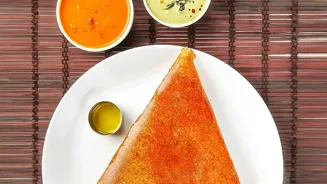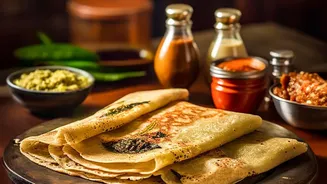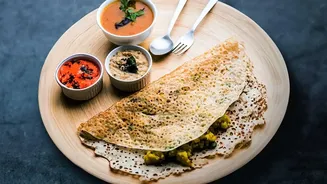

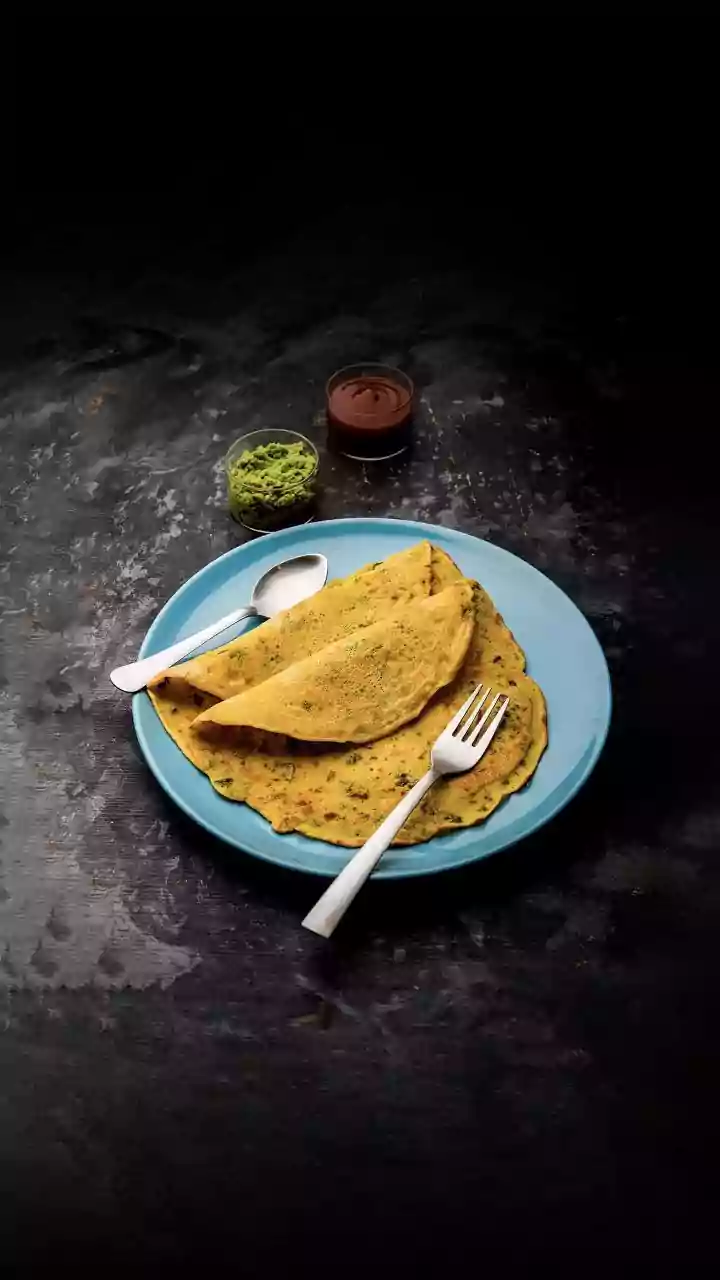
Why an Oats Dosa?
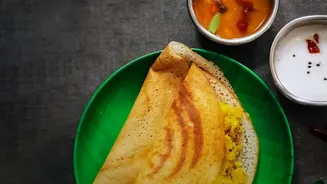
Before we dive into the kitchen, let's appreciate why this dish is a fantastic choice. Traditional dosas, while delicious, require a lengthy process of soaking and fermenting rice and dal. An instant oats dosa, however, offers a quick and convenient alternative
without compromising on texture. It's an excellent way to incorporate the goodness of oats into your diet. Oats are rich in soluble fibre, which helps keep you full for longer, and can be a great option for those managing their weight or looking for diabetic-friendly meals. This recipe focuses on creating that signature crispiness while being incredibly low on oil, making it a win for both your taste buds and your health.
Gathering Your Ingredients
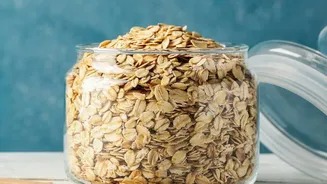
The beauty of this recipe lies in its simplicity and the use of common pantry staples. There are two main approaches: a fermented version for a more traditional texture and an instant version perfect for busy mornings. This guide focuses on the instant 'rava dosa' style, which is thin, lacy, and crispy. For about 8-10 dosas, you will need: 1 cup of rolled or quick-cooking oats, powdered in a blender; ½ cup of rice flour for crispiness; ¼ cup of semolina (rava/sooji); 1 finely chopped medium onion; 1-2 finely chopped green chillies; 1 teaspoon of finely chopped ginger; 1 teaspoon of cumin seeds; a handful of chopped coriander and curry leaves; ½ cup of sour curd (optional, for tang); salt to taste; and about 2-3 cups of water.
Creating the Perfect Batter
The secret to a crispy, lacy oats dosa is a thin, free-flowing batter. In a large mixing bowl, combine the powdered oats, rice flour, and semolina. Add the chopped onion, green chillies, ginger, cumin seeds, coriander, and curry leaves. Mix all the dry ingredients well. If you're using curd, whisk it in now, followed by salt. Gradually pour in the water while continuously whisking to prevent lumps. The goal is a batter that is much thinner than traditional dosa batter—it should have a watery, milk-like consistency, similar to a rava dosa batter. Once mixed, let the batter rest for about 15 to 30 minutes. This allows the semolina and oats to absorb the water, which is crucial for the final texture. After resting, the batter may thicken, so add a little more water to restore its thin consistency before you start cooking.
The Secret to a Low-Oil Dosa
Cooking a dosa with minimal oil is all about the pan and the temperature. A well-seasoned cast-iron tawa is the traditional choice, as it develops a natural non-stick surface over time. However, a good quality non-stick pan also works perfectly. The key is to get the temperature just right. Heat your pan over a medium flame. To check if it’s ready, sprinkle a few drops of water; if they sizzle and evaporate in a few seconds, you're good to go. If the water vanishes instantly, the pan is too hot. A classic trick to season the pan right before pouring is to rub it with half an onion. You can do this without any oil, or with just a few drops. The onion not only creates a temporary non-stick layer but also helps regulate the heat, preventing the batter from sticking. Wipe away any excess oil with a paper towel before pouring each dosa.
Cooking to Crispy Perfection
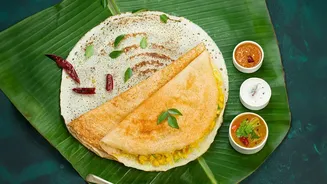
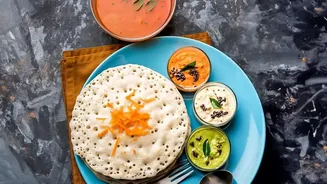
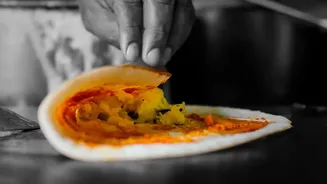
Now for the fun part. Give your thin batter a good stir each time before making a dosa, as the heavier flours tend to settle at the bottom. Take a ladleful of batter and, starting from the outer edge of the hot pan, pour it in a circular motion towards the centre, creating a lacy pattern. Do not try to spread this batter with the back of the ladle like a regular dosa. Fill in any large gaps with a little more batter. Keep the flame on medium. This type of dosa takes longer to cook than a traditional one, about 2-3 minutes on one side. You'll see the edges start to turn golden brown and lift from the pan. At this point, you can drizzle a few drops of oil or ghee around the edges if you wish, but it's not essential. Once the top looks cooked and the bottom is crisp and golden, there's no need to flip it. Carefully fold it in half and serve immediately.