








The Bright Spark of Acidity
If a dish tastes flat or heavy, the ingredient you’re likely missing is not more salt, but a touch of acid. Acidity is the culinary equivalent of a highlighter pen; it makes all the other flavours in a dish pop. It provides balance, cutting through richness
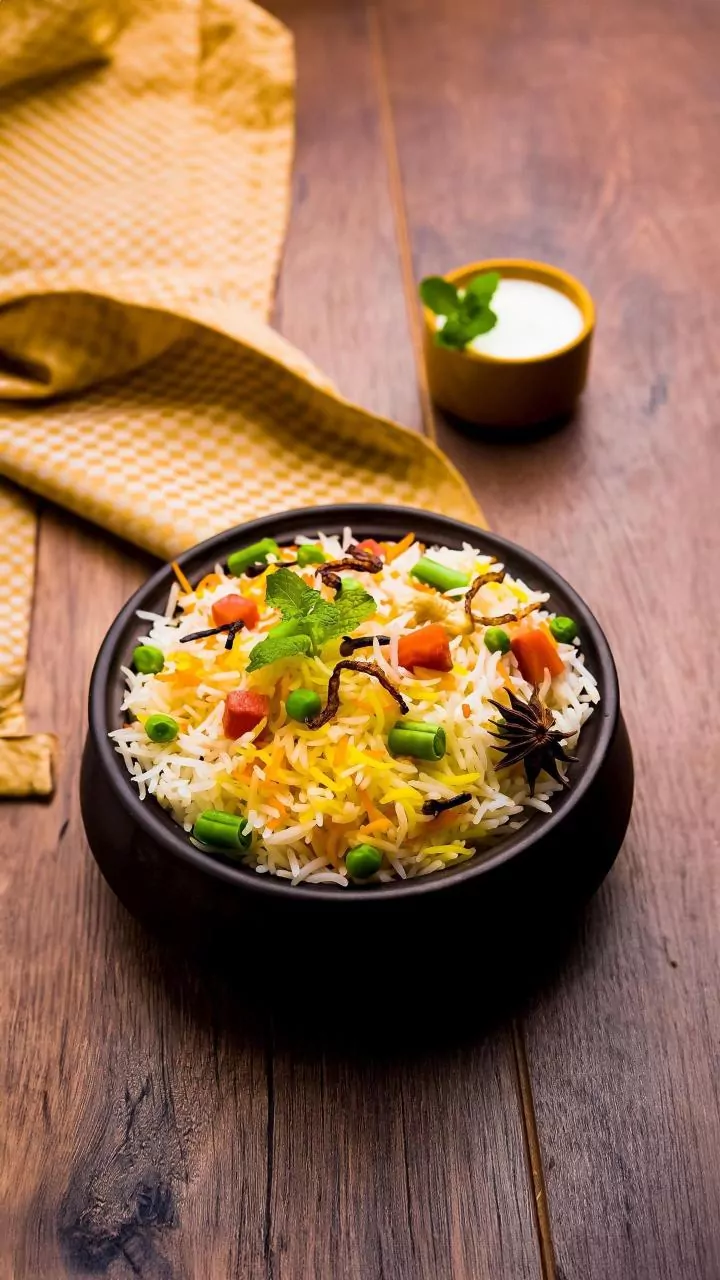
and fat, and adds a brightness that wakes up your palate. Think about a squeeze of lemon over grilled fish, a dollop of dahi with a rich biryani, or the tang of tamarind in a sambar. Each element adds a necessary contrast that elevates the entire meal. In Indian cuisine, we have a wealth of acidic ingredients at our disposal, from amchoor (dried mango powder) and kokum to tomatoes and vinegar. The key is to add it gradually and taste as you go. A splash added right at the end of cooking will provide a fresh, sharp lift, while adding it earlier allows the flavour to mellow and integrate more deeply into the dish.
The Power of Aroma
So much of what we perceive as 'taste' is actually smell. Our tongues can only detect five basic tastes—sweet, salty, sour, bitter, and umami—but our noses can distinguish between thousands of different aromas. This is why food seems so bland when you have a cold. Harnessing aroma is one of the most powerful ways to build deep, complex flavour. The Indian technique of ‘tadka’ or ‘tarka’ is a perfect example of this. Frying whole spices like cumin seeds, mustard seeds, and curry leaves in hot ghee or oil causes them to bloom, releasing their aromatic compounds into the fat. This fragrant oil then infuses the entire dish with its essence. Layering spices is another key technique. Whole spices are often added at the beginning of the cooking process to build a foundational aroma, while ground spices are added later. A final sprinkle of a fragrant garam masala or fresh herbs like coriander just before serving adds a final, vibrant layer of scent that hits the senses as the dish is served.
The Richness of Browning
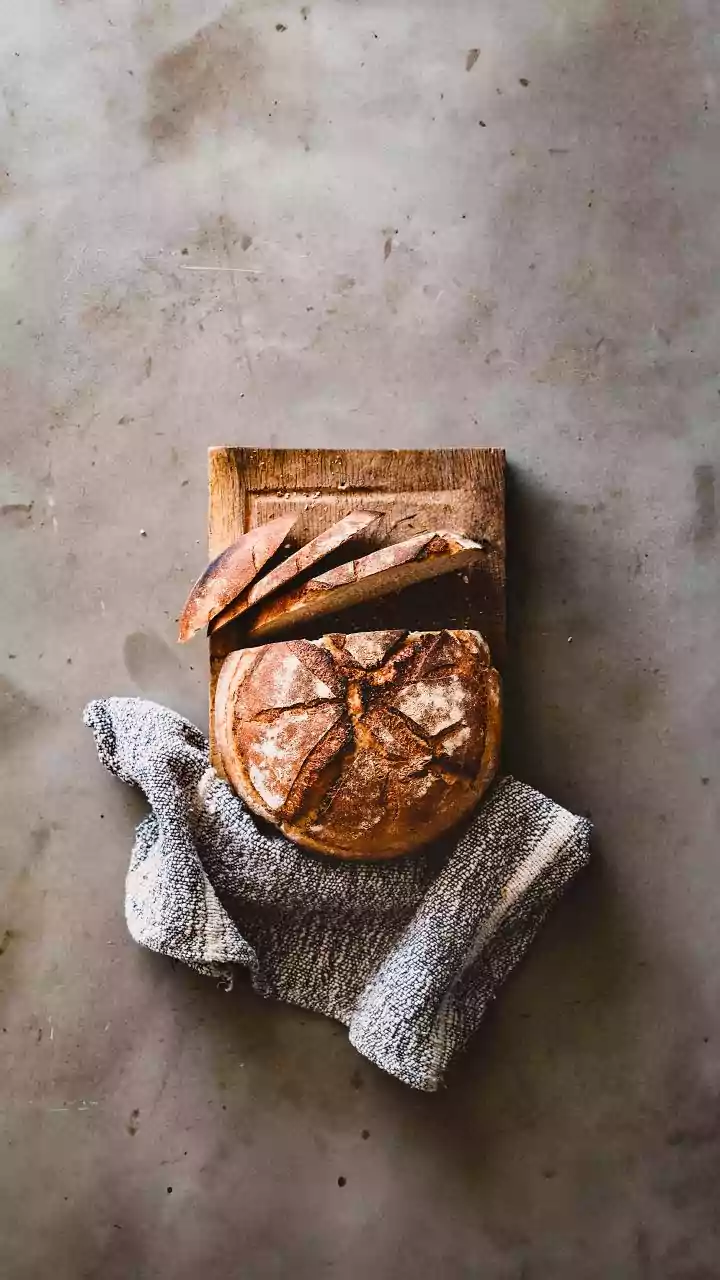
Browning isn’t just about colour; it’s a chemical flavour explosion called the Maillard reaction. This process occurs when the amino acids and sugars in food are heated above 140°C, creating hundreds of new aroma and flavour compounds. This is what gives a seared piece of paneer, roasted vegetables, or even a simple piece of toast their deep, savoury, and nutty flavours. Without browning, food often tastes one-dimensional—think of a boiled potato versus a roasted one. To achieve a good Maillard reaction, you need two things: heat and a dry surface. This is why you should pat ingredients dry before searing them in a hot pan. In Indian cooking, the 'bhunao' process, or the slow caramelisation of onions, ginger, and garlic, is a critical flavour-building step that relies on this principle. Taking the time to cook your base aromatics until they are deeply browned creates a foundation of incredible depth and sweetness that no shortcut can replicate.
The Tantalising Touch of Texture
Flavour isn’t just about taste and smell; it’s also about how food feels in your mouth. Texture, or mouthfeel, adds another dimension of enjoyment and can dramatically influence our perception of a dish. A meal with only soft components can feel monotonous, but introducing a variety of textures—creamy, crunchy, soft, crisp—makes every bite more interesting. Think of the crunch of sev on a soft dahi puri, the bite of nuts in a creamy kheer, or the crispiness of a dosa served with soft potato filling. These contrasts are what make the eating experience so satisfying. Adding textural elements is often as simple as a final garnish. A sprinkle of toasted seeds, fried onions, or crunchy pomegranate seeds can transform a simple dal or sabzi. Don’t underestimate the psychological impact of texture; we often associate crunch with freshness and satisfaction. A thoughtful combination of textures can make a dish feel more complete and enjoyable.