



For decades, students across India have learned that hockey is our national sport. It’s a fact woven into our collective identity. But what if it’s not true? The reality is, India has no officially declared national sport. This opens up a fascinating
debate.
The Undisputed King of Hearts
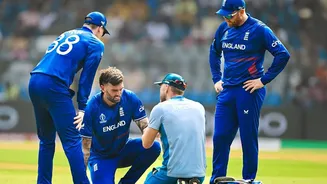
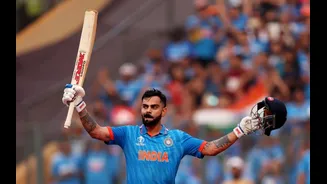
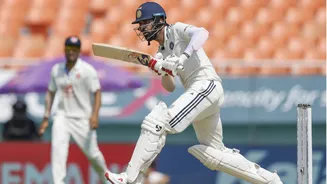
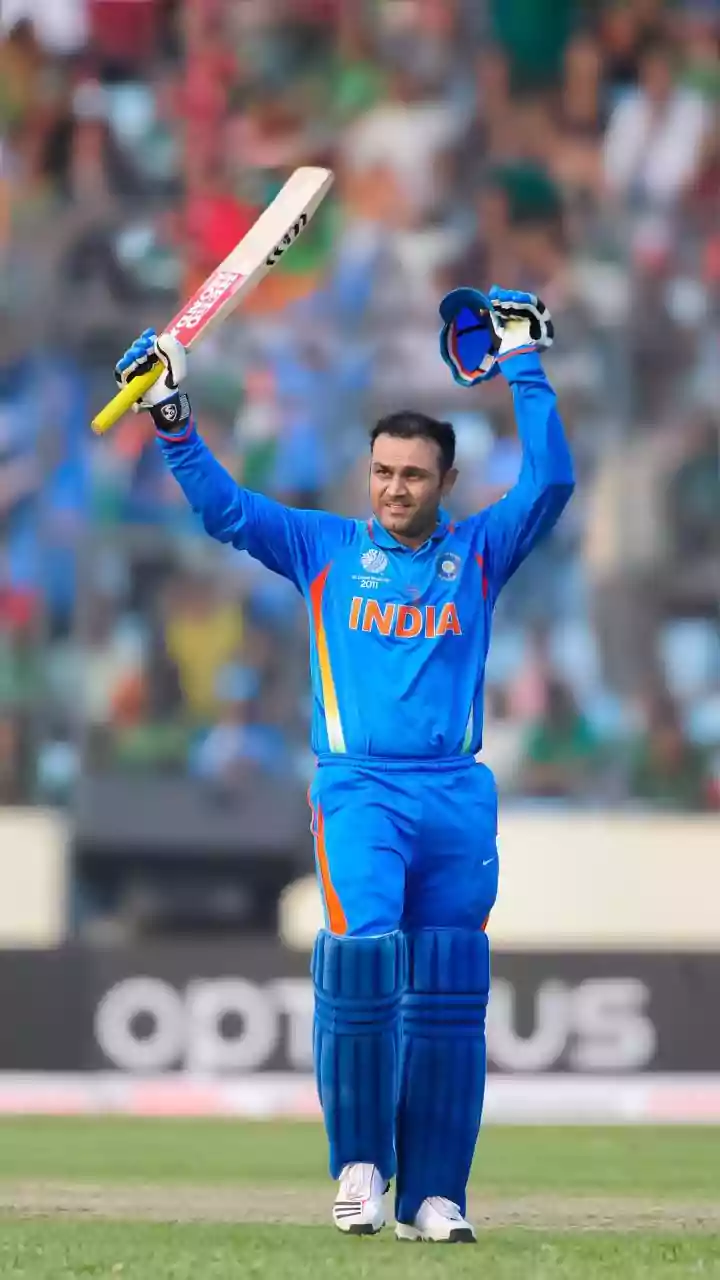
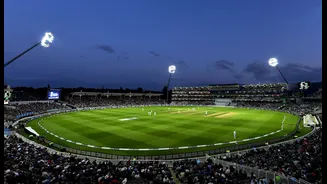
There's no denying that cricket is the unofficial national pastime. From dusty gullies to massive stadiums, its presence is overwhelming. It is, by a huge margin, the most popular and watched sport in the country. This passion translates into enormous economic power; the Board of Control for Cricket in India (BCCI) is the richest sports governing body in the nation and the world, giving the game a level of influence and financial security that other sports can only dream of. Players are household names, treated like icons, and major tournaments bring the entire country to a standstill. For millions, cricket is not just a game but a unifying force that cuts across regional and social divides, a modern symbol of national pride and global competence.
The Official Reality: A Nation of Many Sports
Despite cricket’s dominance, the government has consistently refrained from giving any single sport the 'national' tag. Multiple Right to Information (RTI) queries have been filed over the years, and the response from the Ministry of Youth Affairs and Sports has always been the same: India has no official national game. The government's stated objective is to encourage and promote all popular sports disciplines equally. This policy reflects India's diversity, acknowledging that while cricket is king in most of the country, other sports like football, kabaddi, and athletics have passionate followings in specific regions. Officially elevating one sport, the argument goes, could risk marginalising others and harming the country's diverse sporting culture.
An Argument Rooted in History
So, where did the hockey myth come from? It stems from a glorious past. For decades, field hockey was the sport that put India on the world map. The men's national team was an unstoppable force, winning eight Olympic gold medals, including an incredible six in a row from 1928 to 1956. This era of dominance, led by legends like Major Dhyan Chand, made hockey a powerful symbol of Indian excellence and resilience, especially in the pre-independence era. This historical significance is why hockey became widely, though unofficially, regarded as the national sport, a status cemented in school textbooks and popular culture. For many, its legacy is too important to be overshadowed.
What Should a 'National Sport' Represent?
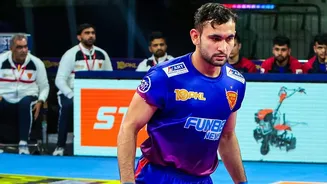
The debate ultimately boils down to a fundamental question: what is the purpose of a national sport? Should it be the one with the most passionate following, the widest participation, and the biggest economic impact today? If so, the case for cricket is almost unshakeable. Or should it be a sport that represents a unique historical legacy and a period of unmatched global glory? In that case, hockey's claim remains powerful. Some even argue that an indigenous sport like kabaddi, which has seen a professional resurgence, would be a more authentic choice. The title of 'national sport' is not just a label; it's a statement about a nation's values, history, and modern identity.