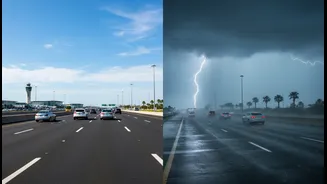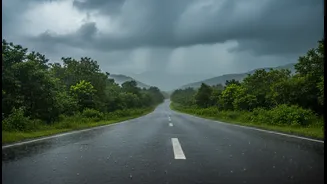








The Familiar Road, An Unfamiliar Foe
During the monsoon, the route you take every day can transform without warning. The biggest danger is waterlogging. It only takes about six inches of water to cause a passenger car to lose control or stall, and just a foot of water can make a vehicle
float. What looks like a harmless puddle can conceal deep, wheel-swallowing potholes, open manholes, or debris. Heavy rains can also weaken the road's foundation, leading to collapses that are impossible to spot under murky water. Relying on memory or old habits is a gamble when the landscape can change in a matter of hours.
Your Smartphone as a Co-Pilot
Modern navigation apps are your first line of defence against monsoon surprises. Services like Google Maps and the home-grown Mappls (from MapmyIndia) provide real-time traffic data, which can often indicate a waterlogged stretch due to diverted or slow-moving traffic. Some apps even have specific features that alert users to potholes, road closures, and waterlogging based on crowd-sourced information. However, technology isn't foolproof. Always use it as a guide, not gospel. Look for apps that allow offline map downloads, which can be a lifesaver in areas with patchy network coverage, a common issue during heavy downpours.
Beyond the App: The Human Element
Technology can't replace on-the-ground intelligence. If you are on a long-distance trip, especially to hilly areas, call your hotel or resort ahead of time and ask about road conditions. They will have the most current information about local landslides or blockages. Social media groups and travel forums can also be valuable sources of recent updates from fellow travellers. When you are on the road, trust the advice of local police and residents. If a section of road is barricaded or if locals advise against proceeding, it is for a good reason. Turning around is always a better option than getting stranded.
The Pre-Drive Ritual
Before you even think about the route, ensure your vehicle is monsoon-ready. This is non-negotiable. First, check your tyres. They are your only connection to the slippery road, and good tread depth is crucial for channelling water away and preventing aquaplaning. Second, inspect your wiper blades. Summer heat degrades the rubber, so if they leave streaks or make noise, replace them. Third, confirm that all your lights are working—headlights, tail lights, and indicators. In a downpour, being visible to others is as important as your own visibility. Finally, ensure your brakes are in top condition, as stopping distances increase significantly on wet roads.
On-the-Road Strategy
Once you are driving, adopt a defensive mindset. Reduce your speed and significantly increase the distance between you and the vehicle in front. Avoid using high beams in heavy rain, as the light reflects off the water droplets and worsens visibility for you and oncoming drivers. If you do encounter a waterlogged patch that you absolutely must cross, assess its depth first. If it seems deeper than the bottom of your car's bumper, do not attempt it. If you proceed, stay in a low gear, keep your engine revs high, and move slowly and steadily to create a bow wave. And if your car stalls in water, do not try to restart the engine—this can cause catastrophic damage.