
The Problem with Portable Breakfasts
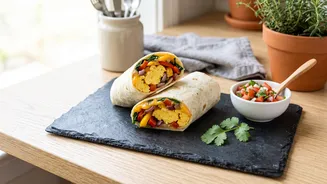
The breakfast wrap, in theory, is the perfect meal for a busy morning. It’s a complete, satisfying breakfast you can hold in one hand. The reality, however, is often a different story. One wrong move and your delicious filling of eggs, cheese, and salsa
makes a dramatic escape, leaving you with a mess on your hands, your lap, or your car seat. A structurally unsound wrap is not just inconvenient; it’s a culinary tragedy. But this problem is entirely solvable. The difference between a sturdy, portable meal and a breakfast catastrophe comes down to technique. By focusing on a few key details, from the ingredients you choose to the way you fold, you can build a breakfast wrap that holds together from the first bite to the last.
Start with a Strong Foundation
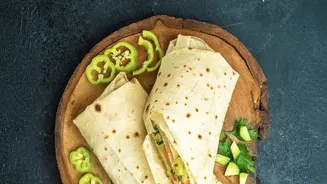
The success of your wrap begins with the tortilla itself. For maximum structural integrity and foldability, opt for a large, burrito-size flour tortilla, typically 10 to 12 inches in diameter. Smaller tortillas simply don't provide enough surface area to securely contain a satisfying amount of filling. Before you even think about adding fillings, you must warm the tortilla. A cold tortilla is brittle and prone to cracking the moment you try to fold it. A few seconds in a warm, dry skillet or about 10-15 seconds in the microwave is all it takes to make the tortilla soft, pliable, and ready to be folded into a tight, secure package. This simple step is perhaps the most crucial for preventing rips and tears.
The Art of Strategic Layering
How you layer your ingredients is just as important as how you fold. The primary goal is to create a moisture barrier to prevent the tortilla from becoming soggy. Wet ingredients like salsa, sour cream, or juicy tomatoes should never be placed directly against the tortilla. Instead, start with a layer of 'dry' or fatty ingredients like shredded cheese, potatoes, or even a spread like cream cheese or hummus. These act as a protective shield. Placing wetter fillings in the center of the ingredient pile, surrounded by drier items, also helps contain moisture. If you're making a wrap to eat later, it's also wise to cool hot fillings like scrambled eggs before assembling. Hot fillings release steam, which creates condensation and leads to a soggy wrap.
A Masterclass in Folding
With a warm tortilla and strategically layered fillings, you're ready for the main event: the fold. The most common and effective method is the classic closed-ended burrito fold. First, be careful not to overfill; a common mistake that guarantees a burst seam. Place your fillings slightly off-center on the tortilla. Fold the left and right sides in over the filling. Then, take the bottom edge of the tortilla (the one closest to you) and fold it up and over the filling. This is the critical step: use your fingers to pull back slightly, tucking the flap snugly under the fillings to create a tight core. From there, continue to roll the wrap away from you, keeping the roll as tight as possible. The snug tuck is what holds everything together. Once rolled, placing the wrap seam-side down for a minute helps it seal.
Securing Your Breakfast for the Road
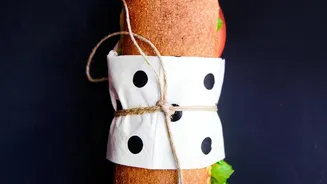
For added security, especially for wraps that will be traveling, a final outer layer is your best friend. Tightly wrapping the finished burrito in aluminum foil or parchment paper provides an extra layer of structural support and helps keep it warm. One popular technique involves placing the burrito on a sheet of parchment paper, folding the top and bottom edges of the paper over the burrito, and then rolling it tightly before tucking in the sides. Some breakfast aficionados also swear by a final step: toasting the wrap. Placing the folded burrito seam-side down in a hot, dry, or lightly oiled pan for a minute or two helps to seal the edge and adds a delightful crispy texture. This creates a stronger barrier against any potential leakage, ensuring your breakfast arrives at its destination intact.