

The Enduring Desert Cliché
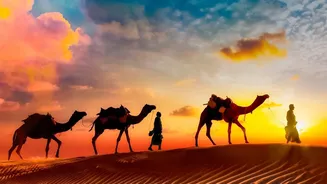
For decades, Rajasthan's tourism identity has been inextricably linked to its arid landscapes in the west. The classic travel window was firmly set between October and March, when the weather is cool and dry, perfect for exploring the majestic forts of
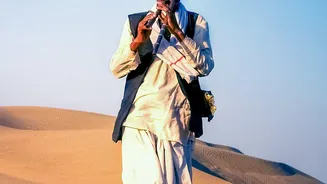
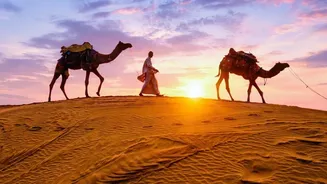
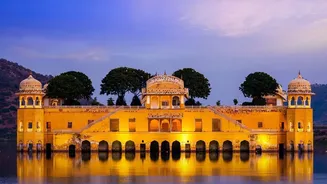
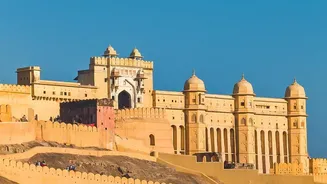
Jodhpur, the golden dunes of Jaisalmer, and the palatial grandeur of Jaipur. This perception, while accurate for the Thar Desert region, has long overshadowed the state's geographical diversity. The typical image is one of camels, colourful turbans, and formidable desert fortresses—a powerful but incomplete picture that positioned it primarily as a winter destination.
A Green Awakening in the Aravallis
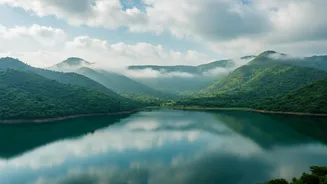
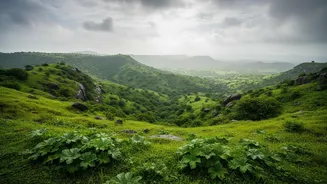
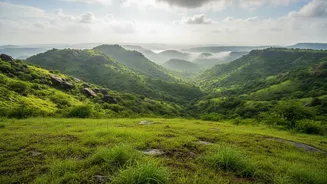
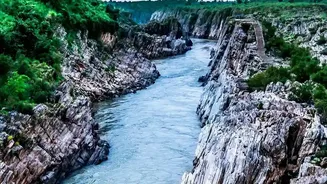
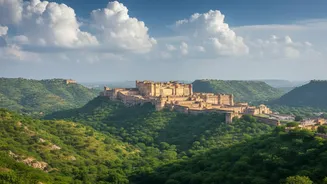
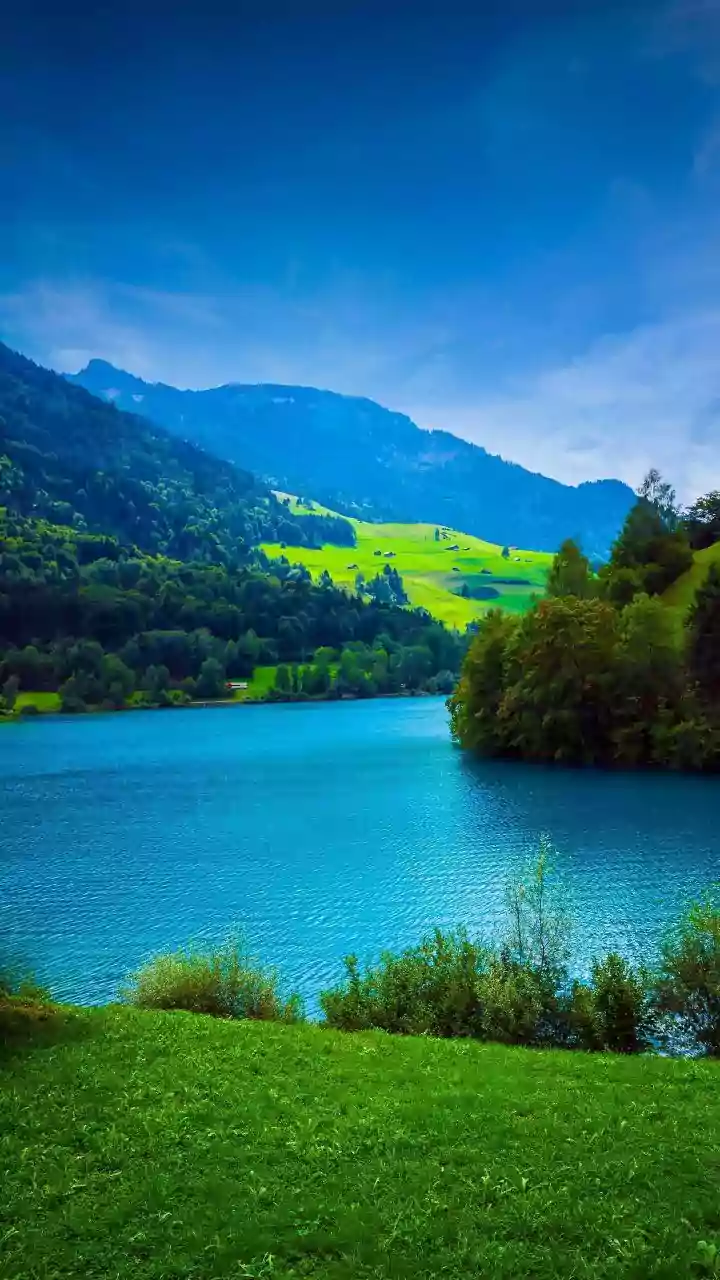
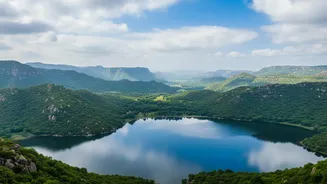
The monsoon, arriving between July and September, completely transforms a significant part of the state. The ancient Aravalli Range, which runs diagonally through Rajasthan, acts as a climatic divide. While the western side remains arid, the eastern and southern regions burst into life. Hillsides turn a vibrant emerald green, dry riverbeds begin to flow, and lakes swell to their full, picturesque capacity. Destinations like Udaipur, Mount Abu, Kumbhalgarh, and Bundi shed their dusty summer coats and reveal a verdant, misty landscape that feels worlds away from the desert. This seasonal makeover creates stunning scenery, with waterfalls appearing in the hills and a refreshing coolness settling over the land, offering a completely different but equally magical experience.
A Surge in Rainy-Day Wanderers
Travel trends in 2026 indicate a significant shift, with a notable surge in tourists visiting Rajasthan during the monsoon. Travel experts report that what they call "green tourism" is booming, as more travellers seek to explore nature in its purest form. While traditionally considered the off-season, destinations in the Aravalli belt are now seeing increased hotel occupancy and footfall. Udaipur, the 'City of Lakes', becomes particularly enchanting as its lakes fill up, and the surrounding hills turn green. Similarly, Mount Abu, the state's only hill station, becomes a misty retreat. This growing popularity is not limited to well-known spots; emerging destinations like Banswara, known as the 'City of a Hundred Islands', and the heritage town of Bundi are also gaining traction.
Why the Shift Is Happening Now
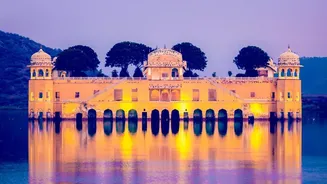
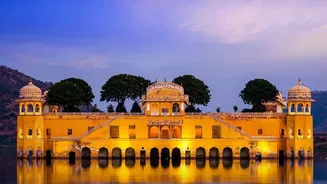
Several factors are driving this change. The visual appeal of a green Rajasthan is a powerful magnet, amplified by social media where images of rain-washed palaces and misty hills challenge the desert stereotype. Furthermore, travellers are increasingly seeking authentic, nature-based experiences away from crowded mainstream circuits. The monsoon offers cooler temperatures compared to the scorching summer, making sightseeing more pleasant. Improved infrastructure, including better highways and air connectivity, has also made these seasonal getaways more accessible. Travel agencies are now actively promoting monsoon packages, highlighting the unique beauty and better deals available during this period. This reflects a broader trend of domestic tourists exploring their own country's diverse offerings year-round.
Beyond the Golden Triangle
This monsoon travel surge reveals a crucial evolution in Rajasthan's tourism strategy. For years, the industry has been heavily reliant on a few key cities and a single peak season. The growing interest in monsoon travel helps distribute tourist flow more evenly throughout the year, reducing the economic precarity of seasonality. It encourages development in lesser-known regions, moving beyond the well-trodden Golden Triangle circuit. This shift not only provides a boost to the hospitality industry during a traditionally slow period but also fosters a more sustainable model by lessening the environmental pressure on overburdened heritage sites during peak winter months. It showcases the state's ecological diversity and expands its appeal to a wider range of travellers, including nature lovers and photographers.