


The Challenge of Fugitive Methane
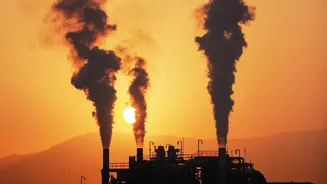
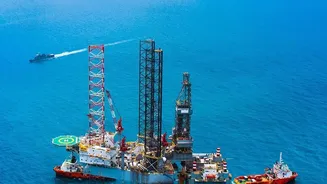
Fugitive emissions are the unintentional leaks of methane from industrial operations. In the oil and gas industry, this means gas escaping from aging pipelines, faulty valves, compressor stations, and storage tanks. Methane is the primary component of natural
gas, so every molecule that leaks is lost revenue. More critically, it's a super-potent greenhouse gas, with over 80 times the warming power of carbon dioxide in its first 20 years in the atmosphere. The International Energy Agency (IEA) reports that the energy sector is a massive source of these emissions, which are often significantly higher than officially reported figures. This creates a dual crisis for energy majors: a financial drain and a growing environmental liability.
From Ground Crews to Eyes in the Sky
Traditionally, detecting these invisible leaks was a difficult, ground-based effort. It involved sending crews with handheld sensors to physically inspect thousands of kilometers of pipeline and countless individual components. This approach is slow, expensive, and often ineffective at catching intermittent or remote leaks, especially for sprawling operations in hard-to-access regions. As a result, significant emissions could go unnoticed for long periods. While ground-based methods are still used, the industry recognized the need for a more comprehensive, timely, and accurate solution to get a true picture of its emissions footprint.
How Satellite Analytics Changed the Game
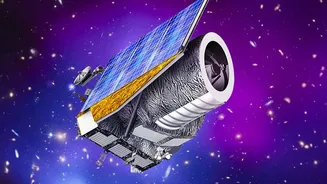
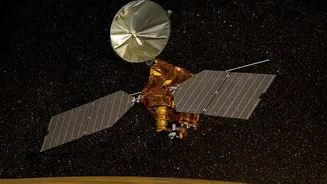
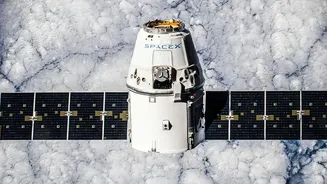
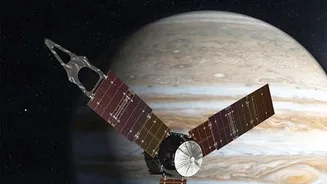
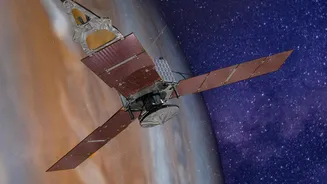
Enter satellite methane analytics. A growing constellation of specialized satellites now orbits the Earth with a singular mission: to spot methane plumes. These satellites use advanced hyperspectral or multispectral sensors to detect the unique way methane absorbs light. Companies like GHGSat, Carbon Mapper, and MethaneSAT provide data that can pinpoint the source of a leak down to a specific facility, pipeline segment, or even a single piece of equipment. This allows energy companies to see their assets in near real-time, get alerts on new leaks, and quantify the volume of escaping gas. It transforms leak detection from a needle-in-a-haystack search into a precise, data-driven operation.
A Trifecta of Pressure and Profit
The widespread adoption of this technology isn't just about innovation; it's driven by a powerful combination of factors. First, regulatory pressure is mounting globally. The EU's Methane Regulation, for instance, will require importers to report and eventually meet methane intensity targets starting in 2027. In the U.S., despite some recent rollbacks on specific rules, the regulatory framework and penalties for emissions remain a significant concern for operators. Second, there is intense investor and public pressure for improved Environmental, Social, and Governance (ESG) performance. Companies that can verifiably demonstrate control over their emissions are better positioned to attract capital. Finally, the business case is undeniable. Fugitive methane represents a staggering amount of lost revenue—potentially up to $60 billion globally for the energy sector. Preventing leaks means selling more gas, making the investment in monitoring technology a cost-saving measure in the long run.
The New Industry Standard
What was once a niche technology is rapidly becoming an indispensable tool for the modern energy company. Industry groups like the Oil and Gas Climate Initiative (OGCI), which includes 12 of the world's largest energy companies, are actively using satellite data to help operators find and fix leaks. Major players are collaborating with analytics firms to integrate this data directly into their operational workflows. The goal is to move from periodic spot-checks to continuous, comprehensive monitoring across their entire asset portfolio. This proactive stance not only helps companies stay ahead of regulations and meet climate pledges like the Global Methane Pledge but also improves operational efficiency.