






Our Unshakeable Bond with Mithai
From the jubilant arrival of a newborn to the auspicious glow of Diwali, no celebration in India feels complete without the sharing of sweets. Ladoos, barfis, and jalebis are not just food; they are edible expressions of joy, tradition, and community.
For generations, the formula has been simple and decadent: an unapologetic blend of full-fat dairy, refined flour, and generous amounts of sugar, all bound together with ghee. This richness is part of their charm, a taste of abundance and festivity. It’s a sensory experience that connects us to our childhoods, our families, and our cultural identity. This deep emotional connection is precisely why giving them up feels less like a dietary choice and more like a sacrifice.
The Modern Health Conundrum
Herein lies the conflict. The very ingredients that make traditional sweets so indulgent are now viewed with caution. In an era of rising awareness about lifestyle diseases, processed sugar is often labelled the villain. The modern Indian is more likely to be tracking calories, reading nutritional labels, and understanding the impact of refined carbohydrates on their body. This newfound knowledge creates a clash during festivals and family gatherings. Do you indulge and feel guilty, or abstain and feel deprived? For years, the answer was an unhappy compromise. But the food industry has taken notice, and innovators are rewriting the rules of indulgence.
Redefining the 'Upgrade'
The “balanced upgrade” isn’t about creating pale, joyless imitations of our favourite sweets. It's not about ‘diet’ versions that leave you wanting more. Instead, this new philosophy is rooted in substitution and fortification. The goal is to replace empty calories with nutrient-dense ingredients, creating a dessert that satisfies your craving while also offering some nutritional value. It’s about being smarter, not stricter. This approach honours the spirit of the original sweet by focusing on flavour and texture, but uses a modern pantry to achieve it. The result is a product that is both wholesome and delicious, a true upgrade rather than a compromise.
The New Pantry of Indian Sweets
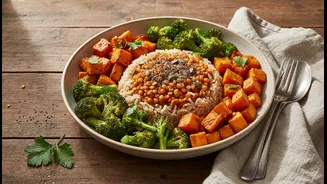
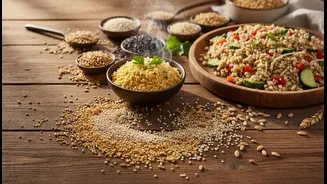
So what does this new pantry look like? Refined white sugar is the first to go, making way for natural, unrefined sweeteners. Jaggery (gur) is making a huge comeback, loved for its mineral content and deep, caramel-like flavour. Similarly, date syrup, coconut sugar, and stevia are becoming popular choices, each lending a unique taste profile. White flour (maida) is being swapped for wholesome alternatives like millet flour (ragi, bajra), almond flour, or oat flour, which add fibre and a wonderfully nutty complexity. Instead of relying solely on sugar for flavour, these new-age mithai makers are using high-quality nuts, seeds, and fruits. Think ladoos packed with chia seeds, barfis flavoured with real raspberry puree, and brownies built on a base of sweet potato.
Taste Meets Guilt-Free Indulgence
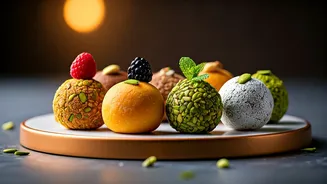
The proof, as they say, is in the pudding. This trend has given rise to an exciting new category of desserts. Imagine a dense, chocolatey brownie made not with flour and sugar, but with ragi and jaggery, offering a rich, earthy flavour that is deeply satisfying. Picture energy balls, essentially modern ladoos, made from a blend of dates, figs, almonds, and walnuts, perfect for a post-workout snack or a 4 p.m. pick-me-up. Even traditional recipes are being reinvented. You can now find gajar ka halwa sweetened only with dates and enriched with almond milk, or kheer made from quinoa instead of rice. These are not just “healthy alternatives”; they are genuinely delicious creations in their own right, offering complex flavours and textures that many find more interesting than their traditional counterparts.