






An Escape to Simpler Times
One of the biggest drivers of this phenomenon is the simple need for comfort. In a world saturated with complex, often grim, prestige dramas and the relentless pressure of social media, the predictable and gentle narratives of 90s and 2000s television
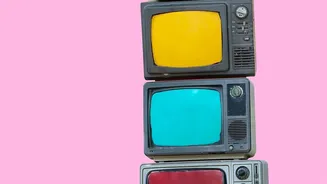
offer a psychological safe haven. Shows like 'Hum Paanch' or 'Shararat' presented low-stakes problems that were usually resolved by the end of the episode, providing a sense of order and closure that is often missing from modern life. For millennials who grew up with these shows, it’s a direct line back to their childhoods. For Gen Z, who may be discovering them for the first first time, it offers a form of 'borrowed nostalgia'—a wistful affection for a past they never experienced but perceive as simpler and more authentic.
Relatable Characters and Grounded Stories
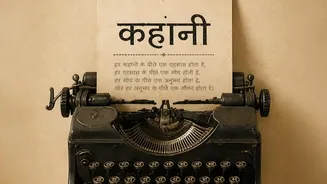
Unlike the larger-than-life heroes and anti-heroes common in today's global streaming hits, many classic Indian shows were rooted in the everyday realities of the middle class. Series like 'Dekh Bhai Dekh' and 'Malgudi Days' focused on the dynamics of family life, friendship, and community with a warmth and authenticity that still resonates. The characters in 'Sarabhai vs Sarabhai' or 'Khichdi', while eccentric, were reflections of family archetypes that felt instantly familiar. This focus on relatable, character-driven comedy and drama provides a stark contrast to high-concept thrillers, creating a different kind of viewing experience that many young Indians are actively seeking. The shows create a shared cultural language, allowing different generations to bond over the same stories.
The Age of Digital Access
This nostalgic wave would not be possible without the rise of streaming platforms. OTT services like Hotstar, SonyLIV, ZEE5, and even YouTube have become digital archives, making vast libraries of classic content available on demand. The lockdown period, in particular, saw a massive surge in the viewership of old shows like 'Ramayan' and 'Mahabharat', as families watched together, bridging generational gaps. Streaming platforms have changed viewing habits, shifting control to the audience and fostering a 'binge-watching' culture that suits both new and classic series. This easy access allows viewers to not only revisit old favourites but also discover shows they missed, with social media clips and memes often serving as the gateway to a full series binge.
The Power of Nostalgia Marketing
Brands have been quick to recognize the commercial power of these warm, fuzzy feelings. The 'nostalgia economy' is in full swing, with companies leveraging memories to build emotional connections with consumers. Cadbury's reimagined version of its iconic 90s cricket ad, this time with a female cricketer, went viral by tapping into cross-generational sentiment. Bajaj relaunched its classic scooter 'Chetak' as an EV, targeting both older and younger buyers. Food and drink brands like Paper Boat and Rasna have built their entire identity around childhood memories. This strategy is effective because nostalgia can enhance brand trust and foster a sense of authenticity, especially among Gen Z consumers who value genuine connections. Marketers have found that invoking a shared past is a powerful tool in a cluttered media landscape.