




A New Space Age for India
For decades, a career in India’s space sector meant one thing: securing a coveted position at the Indian Space Research Organisation (ISRO). Today, that picture is changing dramatically. Following landmark policy reforms in 2020 that opened the sector to private
enterprise, India is witnessing an unprecedented boom in space technology. The government established the Indian National Space Promotion and Authorisation Centre (IN-SPACe) as a single-window agency to nurture this new ecosystem. The results have been stellar. From just a handful of companies a decade ago, India is now home to over 400 space-tech startups. This explosive growth is turning a government-led programme into a dynamic industry, with projections suggesting India's space economy could grow from around $8.4 billion today to over $40 billion by 2030.
The Private Sector Takes Flight
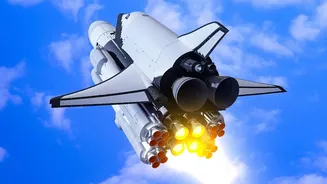
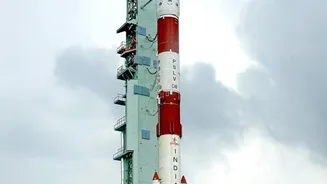
This is not just a story of policy papers and projections; it's a story of real hardware reaching orbit. A new generation of private companies is making headlines with remarkable achievements. Hyderabad-based Skyroot Aerospace, for example, recently became the first Indian private company to launch an orbital-class rocket, the Vikram-1. Chennai’s Agnikul Cosmos has pioneered 3D-printed rocket engines. These startups are not just supporting ISRO; they are building their own launch vehicles, satellite constellations, and propulsion systems. Companies like Dhruva Space, Pixxel, and Bellatrix Aerospace are rapidly maturing, attracting significant investment and proving that private Indian firms can compete on the global stage. This shift is creating a vibrant job market that moves at the fast pace of a startup, offering young innovators a chance to have a major impact from day one.
More Than Just Rocket Scientists
The most exciting aspect of this boom is the sheer diversity of roles it is creating. While aerospace and astronautical engineers remain central, the needs of modern space companies are far broader. The industry is aggressively hiring software developers to write flight control systems, AI and machine learning engineers to analyse satellite data, and robotics experts to design next-generation rovers and probes. There is a growing demand for electronics and avionics engineers to build the brains of spacecraft, as well as materials scientists to develop lighter and stronger components. Furthermore, as these startups scale, they also need project managers, business development leaders, and communication specialists who can translate complex technology into compelling narratives. The ecosystem requires a wide array of talent, opening doors for graduates from various engineering and management disciplines.
The Skills That Launch Careers
To be part of this revolution, aspiring innovators need a mix of foundational and specialised skills. A strong grasp of mathematics and physics remains non-negotiable. Proficiency in design and simulation software like CAD, MATLAB, and CATIA is highly sought after by companies building physical hardware. For software-focused roles, expertise in programming languages like Python and C++ is critical. However, beyond technical prowess, companies are looking for problem-solvers. The ability to work in a team, analyse complex systems, and troubleshoot issues under pressure is invaluable. Experience with hands-on projects, participation in college robotics clubs, or internships with aerospace firms can provide a significant edge, demonstrating practical ability and genuine passion for the field.
An Ecosystem of Opportunity
The job growth isn't limited to building rockets and satellites, known as the 'upstream' sector. An equally vibrant 'downstream' sector is emerging, focused on using space-based assets to solve problems on Earth. Companies are leveraging satellite data for a huge range of applications. For instance, Bengaluru-based SatSure uses satellite imagery to provide decision intelligence for agriculture and climate risk. Others, like Pixxel, are building constellations of hyperspectral imaging satellites to monitor the planet’s health in unprecedented detail. This creates demand for data scientists, geospatial analysts, and GIS specialists who can turn raw satellite data into actionable insights for sectors like finance, insurance, urban planning, and disaster management. This downstream economy proves that you don't have to build a rocket to have a career in the space industry.