
The Challenge With Plant-Based Iron
Iron is essential for energy, focus, and overall health, but not all iron is created equal. There are two types: heme iron, found in animal products like meat and fish, and non-heme iron, found in plant-based foods such as leafy greens, beans, and lentils.
Our bodies find it much easier to absorb heme iron. Non-heme iron, which makes up the bulk of the iron in vegetarian and vegan diets, is less bioavailable. This means that even if you eat plenty of spinach or dal, your body might only be absorbing a small fraction of the iron available. This can be a significant hurdle for those relying on plants for their nutritional needs, sometimes leading to fatigue and deficiency.
Vitamin C: The Key to Unlocking Iron
This is where vitamin C, also known as ascorbic acid, comes to the rescue. Think of it as a key that unlocks non-heme iron, making it accessible to your body. Scientifically, it performs a crucial chemical conversion. Non-heme iron exists in a form called ferric iron (Fe3+), which our intestines struggle to absorb. Vitamin C transforms it into ferrous iron (Fe2+), a form that is much more easily taken up by our digestive system. Furthermore, vitamin C binds to this iron, creating a soluble complex that protects it from other dietary compounds that might block its absorption on its journey through your gut.
Does It Really Double Absorption?
The headline's claim that vitamin C can double iron absorption isn't an exaggeration; in some cases, it's an understatement. Research shows that the effect is dramatic. Some studies have found that adding even a small amount of vitamin C (around 25-50 mg, the equivalent of a squeeze of lemon) to a meal can increase non-heme iron absorption by two to three times. In meals that are high in iron inhibitors, the effect can be even more pronounced, with some research showing an increase of up to six or seven times. So, while 'doubling' is a good rule of thumb, the reality is that vitamin C has a powerful multiplier effect that depends on the overall composition of your meal.
Your Power-Pairing Shopping List
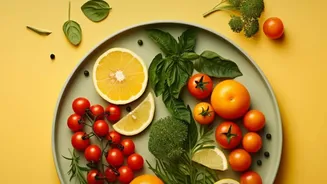
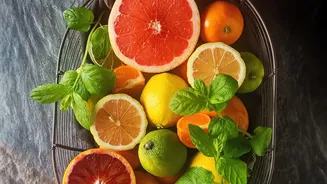
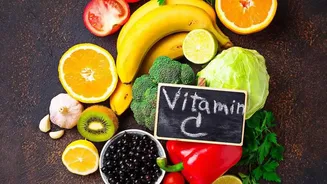
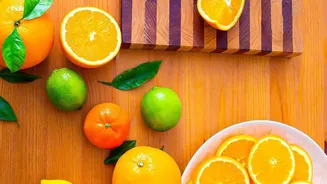
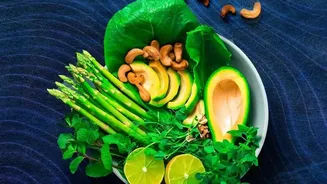
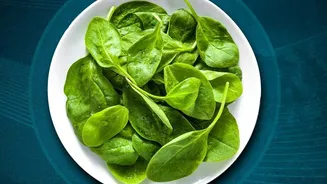
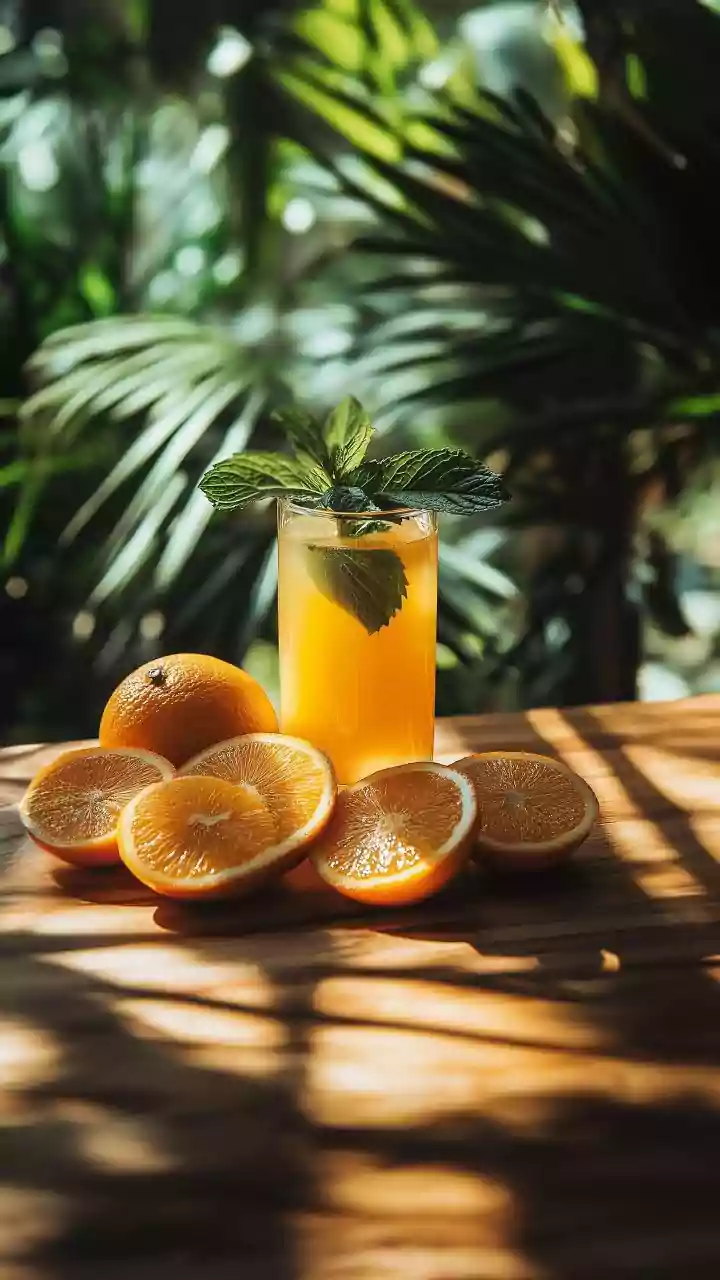
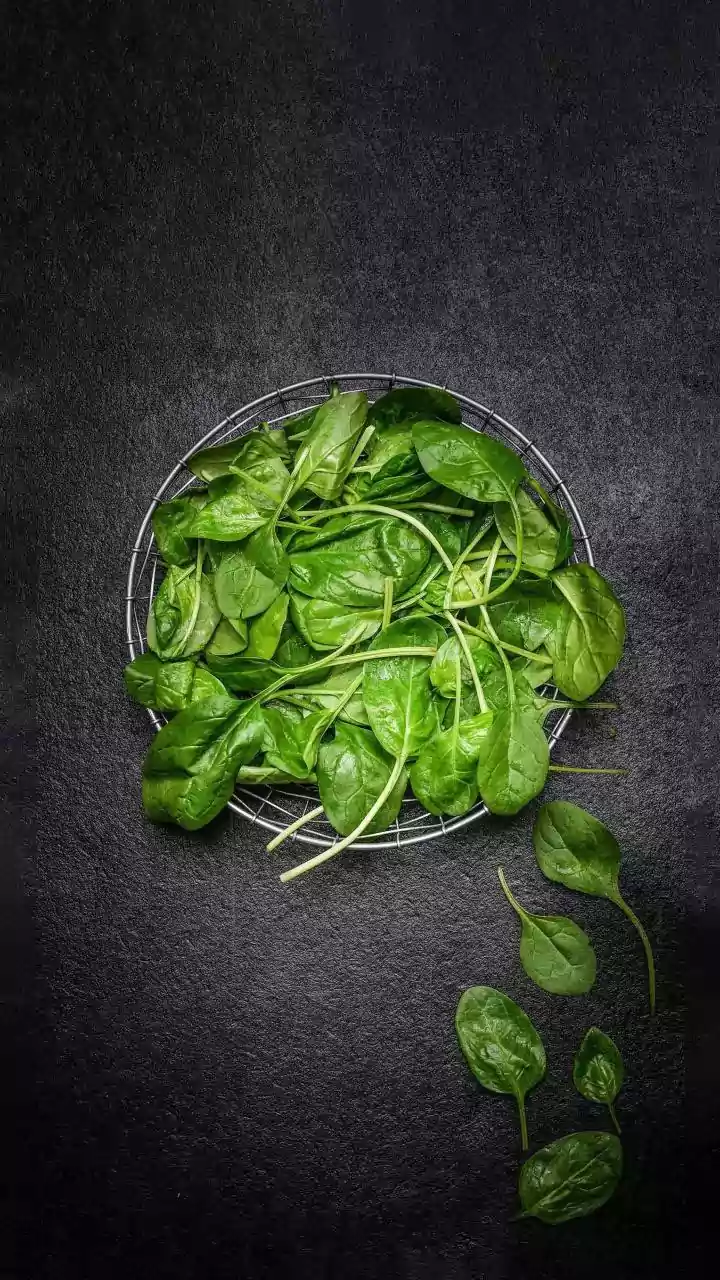
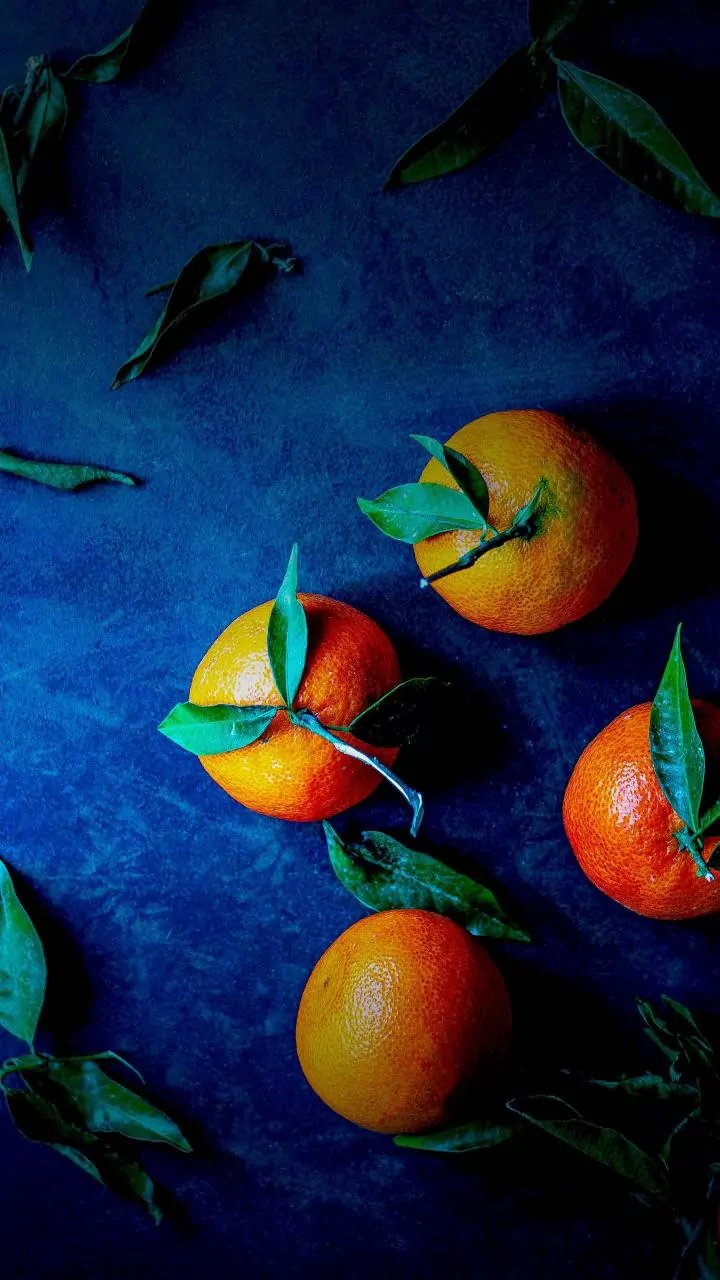
Putting this science into practice is simple and delicious. The goal is to combine an iron-rich plant food with a vitamin C-rich food in the same meal. For your Indian kitchen, this is an easy and natural fit. Iron-Rich Leafy Greens and Legumes: Spinach (palak) Fenugreek leaves (methi) Amaranth greens (chaulai) Lentils (dal) Chickpeas (chana) Kidney beans (rajma) Vitamin C-Rich Fruits and Vegetables: Lemon and lime Oranges and other citrus fruits Amla (Indian gooseberry) Guava Tomatoes Bell peppers (capsicum)
Simple Meal Ideas to Boost Your Iron
You don't need to overhaul your diet to benefit from this nutritional power couple. Many traditional Indian food habits already incorporate this wisdom. Here are a few easy ways to make it a conscious practice: Squeeze Lemon Liberally: Finish your dal, sabzi, or palak paneer with a generous squeeze of fresh lemon juice just before serving. Add Tomatoes to Your Base: Use tomatoes in the base of your lentil and bean curries. The vitamin C in the tomatoes will help you absorb the iron from the legumes. Serve a Side Salad: A simple kachumber salad with tomatoes, onions, and a lime dressing served alongside a main meal can make a big difference. Smart Snacking: Have a whole orange or a bowl of strawberries for dessert after an iron-rich meal like rajma-chawal. * Drink Amla Juice: A small glass of fresh amla juice with your breakfast can help you absorb iron from whole-grain bread or poha.
Watch Out for Iron Blockers
Just as vitamin C enhances iron absorption, other compounds can block it. The main culprits are tannins found in tea and coffee, phytates in whole grains and legumes, and calcium in dairy products. This is why drinking tea or coffee with your meals is often discouraged if you're trying to boost your iron levels. The vitamin C in your meal can help counteract some of these inhibitors, but for maximum absorption, it's best to consume your tea, coffee, or milk at least an hour or two apart from your iron-rich meals.