





The Safety Question Looms Large
For the average passenger, the foremost concern is safety. While official data points to a significant long-term reduction in major accidents, recent events have renewed public anxiety. Minor incidents and near-misses, such as one in the Chennai Division
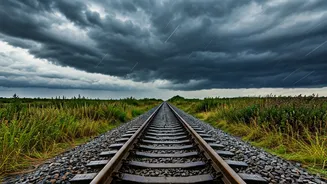
in late June 2026 where alert pilots stopped a train routed onto the wrong track, highlight persistent risks. In another incident in early July 2026, four people were killed after being hit by a train in Andhra Pradesh. These events, coupled with memories of larger tragedies, create a climate of unease. The government has increased its spending on safety, focusing on track renewals, modern signalling like the 'Kavach' anti-collision system, and eliminating unmanned crossings. However, the sheer scale of the network means that upgrades are slow and gaps remain. The system's reliance on manual operations in some sections, often during maintenance or upgrade work, can introduce human error, as was the case in the Arakkonam incident.
A Crisis of Punctuality
Beyond safety, the most common grievance is the lack of punctuality. For the fiscal year 2025-26, Indian Railways reported an overall punctuality rate of 77%. While this may seem reasonable, it means that nearly one in every four trains is running late. A parliamentary committee has previously flagged concerns over how these statistics are measured, suggesting the reality for passengers might be worse. Delays are caused by a multitude of factors, including network congestion, aging infrastructure, necessary maintenance blocks, and external issues like protests or weather. Many key routes operate at over 150% of their capacity, creating a constant struggle for track space between passenger and freight services. This daily uncertainty disrupts the lives of millions, from daily commuters to long-distance travellers, undermining the reliability that is supposed to be a hallmark of rail travel.
The Monsoon Compounding Woes
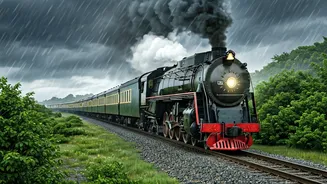
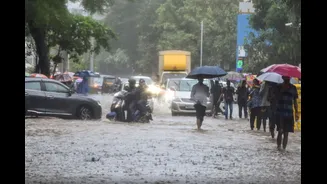
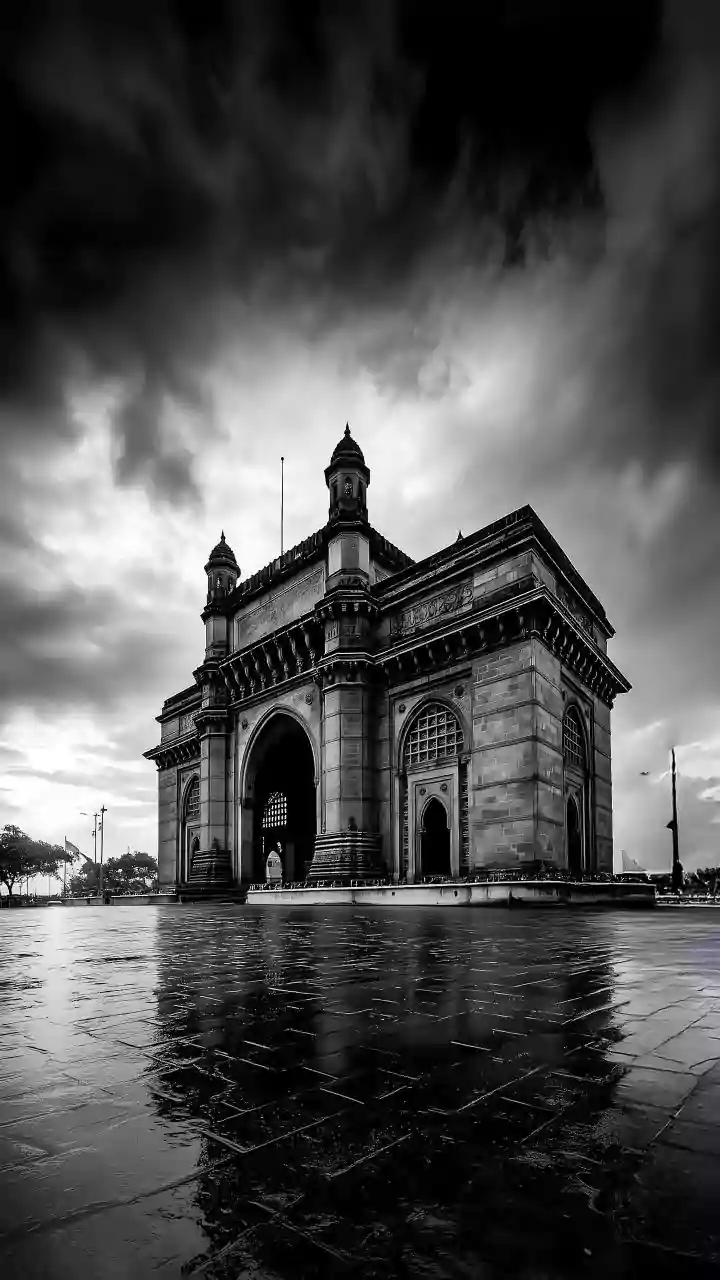
The phrase 'rainy era' becomes literal during the monsoon season, which routinely exposes the fragility of the rail network. From June to October, special 'monsoon timetables' are implemented on vulnerable routes like the Konkan Railway, where train speeds are drastically reduced to prevent accidents due to landslides and track instability. Premium trains like the Vande Bharat can see their journey times increase by hours. In July 2026, heavy rains and landslides in the ghat sections between Mumbai and Pune led to the suspension of train services on the busy route. While these are necessary safety measures, they add another layer of disruption for passengers and highlight the immense challenge of operating a railway in a country with such extreme weather patterns. Railway zones, like the Western Railway in Mumbai, undertake extensive pre-monsoon preparations, including cleaning drains and installing high-capacity water pumps, but are often overwhelmed by the intensity of the downpours.
Can Modernisation Turn the Tide?
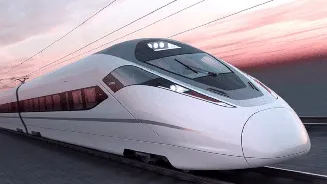
The picture is not entirely bleak. The government is pushing forward with significant reforms and investments. The introduction of modern trainsets like the Vande Bharat Express, the construction of dedicated freight corridors to ease congestion, and a push for complete electrification are all steps in the right direction. In 2026, several reforms were announced targeting everything from passenger ticketing systems to the design of freight wagons to better serve industries like salt and automobile transport. There is a clear focus on leveraging technology to solve long-standing problems. However, the fundamental challenge remains one of scale. Decades of underinvestment have created a massive infrastructure deficit. While shiny new trains grab headlines, the bulk of the network—the tracks, bridges, and signals that form its backbone—requires continuous and painstaking renewal. Many routes are still over-congested, and a large portion of the system's revenue is consumed by operating costs, leaving limited funds for transformative upgrades.