


From Guilt to Grains
For generations, Indian festive seasons have been a delicious marathon of rich, fried, and sugar-laden foods. From Diwali's mithai boxes to Holi's gujiyas, celebration has often meant a temporary farewell to balanced eating. While the joy of these culinary
traditions remains, a growing number of people are now seeking to harmonise them with their year-round health goals. This isn't about deprivation or skipping beloved dishes; instead, it's a mindful movement towards integration. The conversation is shifting from post-festival guilt to finding sustainable ways to enjoy traditional flavours without the health setbacks. This change is driven by a deeper awareness of nutrition, a renewed pride in culinary heritage, and the realisation that festive food was originally meant to nourish, not just indulge.
The Rise of Ancestral Ingredients
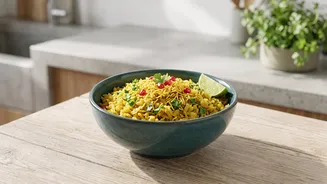
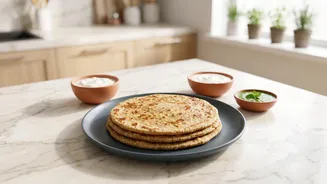
At the heart of this trend is the remarkable comeback of ancient Indian grains and ingredients that were once staples. Millets—like ragi (finger millet), jowar (sorghum), and bajra (pearl millet)—are moving from the fringes back to the mainstream. Once considered the diet of rural communities, these nutrient-dense grains are now celebrated for their high fibre content, natural gluten-free properties, and ability to support balanced nutrition. The renewed interest was significantly boosted by a post-pandemic surge in health consciousness and global initiatives like the International Year of Millets. Consumers and chefs are rediscovering not just grains but also traditional vegetables, pulses, and greens, bringing regional and seasonal variety back to the forefront.
Reimagining Festive Favourites
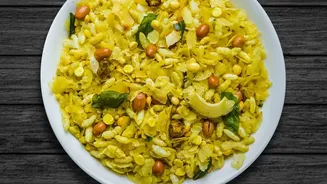
This movement isn't about replacing traditional dishes but reimagining them with healthier techniques and ingredients. Think baked or air-fried samosas and chaklis instead of deep-fried versions. Sweets are getting a modern makeover too; refined sugar is being swapped for natural sweeteners like jaggery and dates, while nut and seed-based ladoos offer a more nutritious alternative to their traditional counterparts. Even classic desserts are being transformed, with creative chefs infusing Indian flavours into global formats, resulting in creations like gulab jamun cheesecake or ragi-based brownies. These innovations prove that festive food can be both indulgent and aligned with modern wellness goals, appealing to multiple generations.
It’s All About Balance
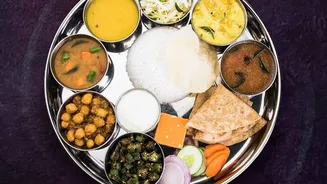
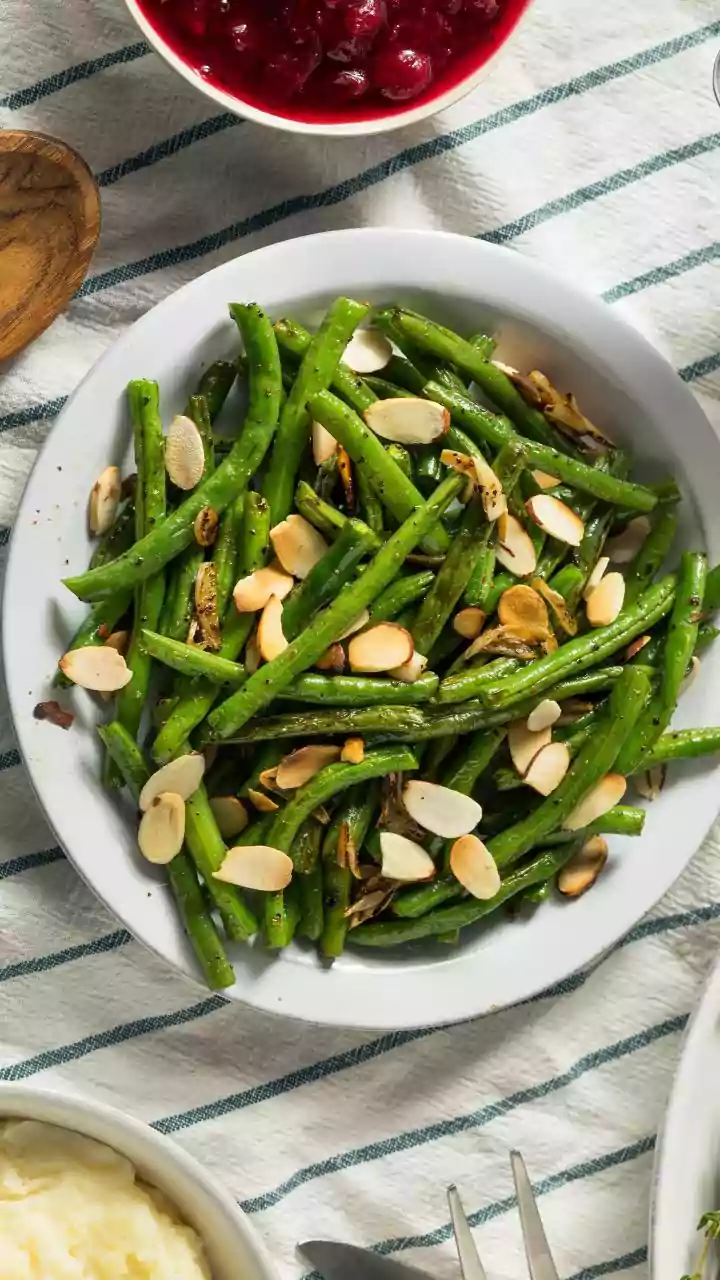
Nutrition experts emphasise that the key to healthy festive eating is not prohibition but portion control and mindful choices. The strategy involves building a balanced plate even during celebrations: filling half with vegetables, a quarter with protein, and the final quarter with grains like millets or brown rice. This approach ensures you get essential nutrients while still enjoying festive flavours. Rather than falling into an all-or-nothing trap, many are adopting an 80/20 rule: eating nutritiously 80% of the time and allowing 20% for treats. This sustainable mindset prevents the cycle of indulgence followed by guilt and extreme dieting, fostering a healthier, long-term relationship with food.