







What the Global Numbers Say
The UN's Food and Agriculture Organization (FAO) has released its latest Food Price Index for June 2026, and the headline is one of divergence. The overall index saw a slight dip, mainly because of lower prices for cereals, dairy, and sugar. Specifically,
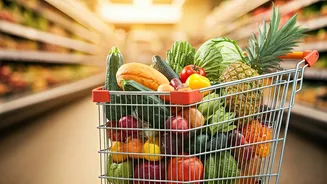
wheat and maize prices fell due to good harvest prospects in key regions. However, this isn't the whole story. The same report shows that prices for vegetable oils and meat have actually gone up. In fact, the meat price index reached a new record high, driven largely by poultry. Meanwhile, the price of rice, a staple for millions, also increased due to strong demand in Asia. This creates a confusing landscape for consumers: some costs are easing, while others are climbing, making it difficult to predict the total at the checkout counter.
From Global Markets to Your Local Kirana
It’s important to remember that global trends don't always translate directly to local prices in India. While a drop in international wheat prices is good news, factors like government procurement (MSP), import duties, transportation costs, and local weather patterns play a huge role. For instance, recent reports show that while global cereal prices fell, domestic food inflation in India has been a concern, with the Consumer Food Price Index (CFPI) seeing a surge. The prices of kitchen staples like tomatoes have seen significant volatility, and a delayed monsoon can create uncertainty about future crop yields. On the other hand, falling global sugar prices may not be fully passed on to consumers if domestic production is affected by weather events like El Niño. This gap between global indices and your grocery bill is why personal budgeting strategies are crucial.
Plan Your Meals, Plan Your Savings
The single most effective strategy to combat unpredictable food prices is meal planning. Spending 20-30 minutes each week to decide what you’ll eat for breakfast, lunch, and dinner helps create a precise shopping list. This simple act prevents impulse buys, which are often expensive and unhealthy. When you have a plan, you buy only what you need, drastically cutting down on food waste—a major drain on household finances. Start by checking what you already have in your pantry and fridge, and build your meal plan around those items to ensure nothing gets wasted. This habit not only saves money but also reduces the stress of figuring out what to cook every day.
Embrace the Seasonal and Local
One of the best ways to keep your food budget in check is to shop for seasonal and local produce. Fruits and vegetables that are in season are not only fresher and more nutritious but also significantly cheaper. A trip to the local mandi or weekly market will almost always offer better prices than a supermarket, where costs include packaging, branding, and logistics. For example, knowing what's in season during the monsoon (like gourds and corn) can guide your shopping list towards more affordable options. Furthermore, building meals around budget-friendly Indian staples like dal, rice, and seasonal sabzi is a time-tested way to eat well without overspending.
Smart Shopping and Bulk Buying
Being a smart shopper can unlock significant savings. A key habit to develop is comparing unit prices—the cost per kilogram or per 100 grams—to see which brand or package size offers the best value. Often, store brands for staples like flour, sugar, and pulses offer the same quality as big-name brands at a lower cost. Buying non-perishable staples like rice, dal, and cooking oil in bulk is another proven strategy. The per-unit cost is almost always lower when you buy a 5kg bag instead of a 1kg pack, and those savings add up substantially over a year. However, be strategic: only buy items in bulk that you use regularly to avoid waste.