


The New Snack-Time Revolution
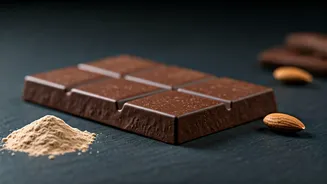
A quiet revolution is happening in our pantries and office drawers. Traditional snacks are making way for a new generation of high-protein treats. From protein chips and cookies to fortified yogurts and ready-to-drink shakes, the snack aisle has transformed.
This isn't a niche trend for gym enthusiasts anymore. It's a mainstream movement driven by busy professionals, health-conscious families, and anyone looking for more from their mid-day bite. In India, the demand for 'functional foods'—those with benefits beyond basic nutrition—is booming, with the market expected to grow significantly in the coming years. Recent reports show a massive surge in protein-related orders on quick commerce platforms, with demand in smaller cities growing even faster than in major metros.
Why Protein, Why Now?
Several factors are fueling this protein craze. First, our lives are busier than ever, leading to a 'snackification' of meals where consumers prefer convenient, smaller eating occasions. Second, there's a growing awareness of protein's benefits beyond muscle building. Consumers associate it with feeling full for longer, managing weight, and maintaining steady energy levels, which helps avoid the dreaded afternoon crash. Health consciousness in India is on the rise, with many seeking to address lifestyle diseases and improve overall wellness. This has led to a surge in demand for snacks that 'do something'—provide tangible benefits like sustained energy or digestive health.
From Gym Bags to Grocery Carts
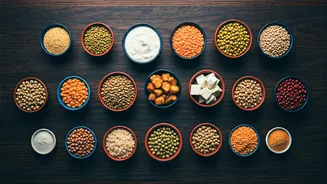
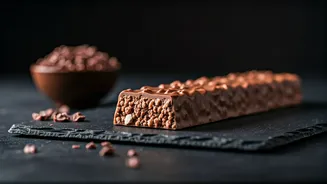
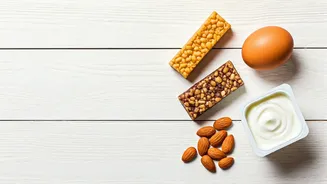
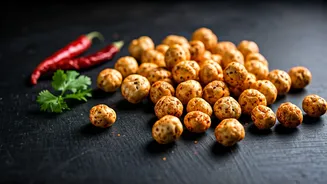
The variety of high-protein snacks now available is staggering. While protein bars remain a popular on-the-go option, the market has expanded dramatically. You can now find protein-fortified versions of almost everything: chips made from chickpeas or lentils, protein wafers, cookies, and even traditional Indian staples like dosa batter getting a protein boost. Dairy products like Greek yogurt and paneer are also being celebrated for their high protein content. This shift reflects a move from protein as a targeted supplement to an everyday dietary staple. Plant-based protein sources are also gaining significant traction, catering to India's large vegetarian and flexitarian population.
Reading Between the Labels
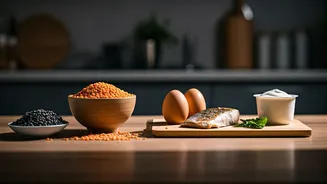
With the market flooded with options, it's important to be a savvy consumer. Not all high-protein snacks are created equal. While the protein content on the label is usually accurate, the context matters. Some products can be highly processed and packed with hidden sugars, unhealthy fats, and high levels of sodium, effectively canceling out the health benefits. Experts advise looking for snacks with whole-food protein sources like nuts, seeds, or dairy high on the ingredient list. A good rule of thumb is to check the sugar content—aim for options with less than 8 grams of added sugar—and be mindful of the overall calorie count. The goal is a functional snack, not a candy bar in disguise.
The Future of Functional Snacking
The trend of high-protein snacking shows no signs of slowing down. As consumers continue to prioritize health and convenience, the line between snacks and nutritional supplements will continue to blur. The global protein snacks market is projected to grow significantly over the next decade, fueled by innovation and increasing consumer demand. For busy individuals, these products offer a practical way to manage hunger, fuel their day, and meet their wellness goals. This isn't just about a post-workout boost anymore; it's about integrating smarter, harder-working food choices into every part of a hectic daily schedule.