


Step 1: Choose Your Green Hero
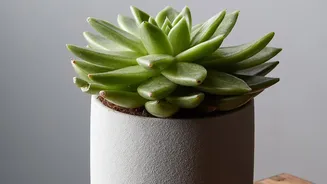
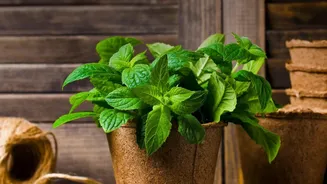
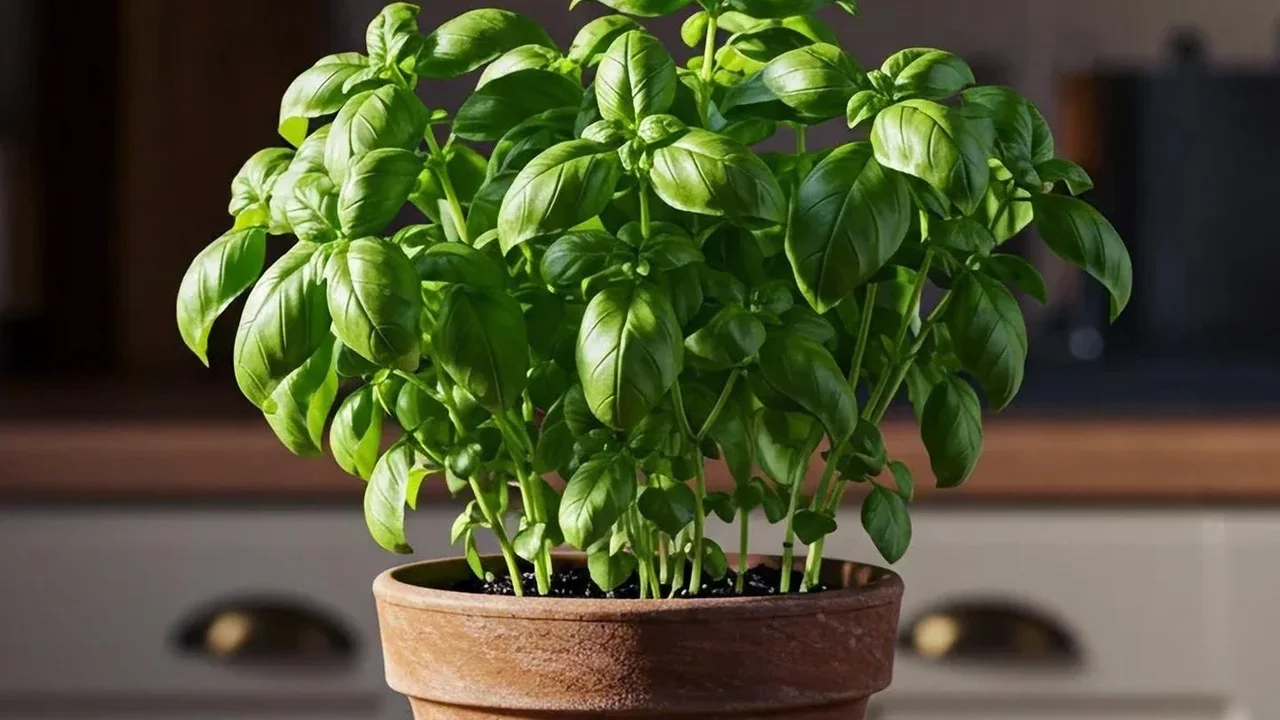
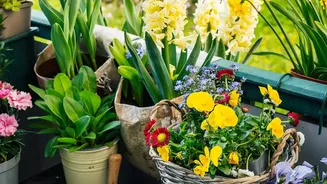
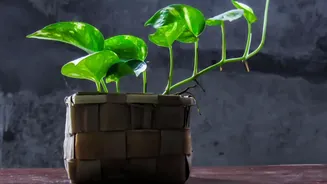
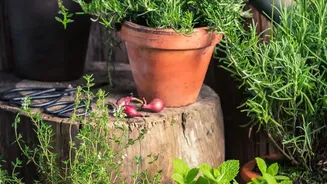
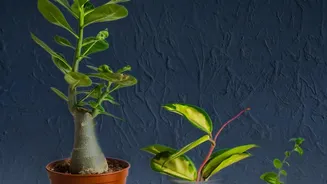
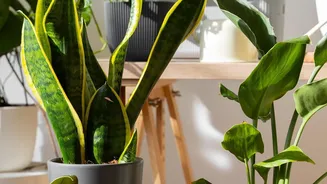
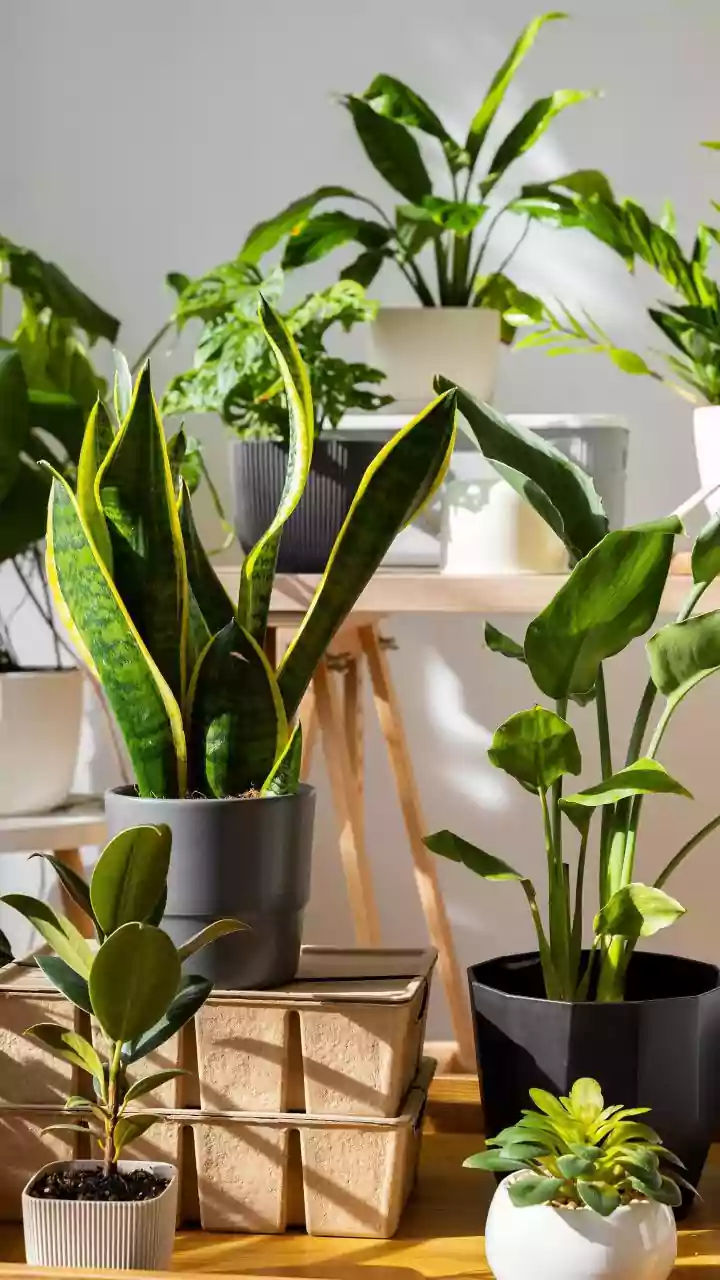
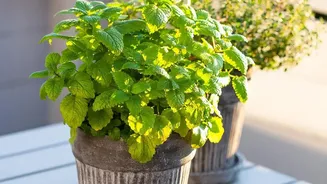
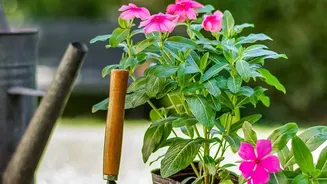
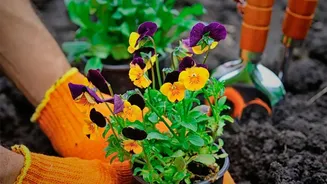
The star of your hamper is the plant. Opt for hardy, low-maintenance varieties that thrive in Indian homes and are forgiving for beginners. Excellent choices include the Snake Plant, known for its air-purifying qualities and tolerance for neglect, and the ZZ
Plant, which does well in low light. The classic Money Plant (Pothos) is another favourite, believed to bring good fortune and easy to care for. For a touch of colour, consider a Syngonium (Arrowhead Plant) or a small Aglaonema (Chinese Evergreen). When selecting your plant, consider the recipient's lifestyle—a busy person will appreciate a plant that doesn't demand constant attention.
Step 2: Select a Sustainable Base
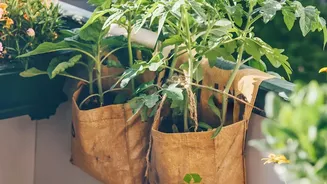
The container sets the tone for your hamper. Ditch plastic and opt for natural, reusable materials. Handwoven baskets made from jute, cane, or bamboo offer a rustic, earthy feel and support local artisans. Repurposed wooden crates, old brass vessels, or even sturdy cloth-lined cardboard boxes can be beautifully upcycled. The goal is to choose a base that is not only attractive but can be repurposed by the recipient, extending the life of your gift and reducing waste. A decorative ceramic pot or a metal planter can also serve as a stylish and durable container.
Step 3: Add Thoughtful, Eco-Friendly Fillers
A great hamper is more than just its main gift. Fill the empty spaces with thoughtful, sustainable extras. Instead of plastic grass, use natural fillers like shredded brown paper, coconut coir, or dried moss to cushion the items. Complement the plant with items like small packets of organic fertiliser, handmade terracotta diyas, or herbal teas. Other wonderful additions include natural scented candles, handmade soaps, or even seed bombs that your recipient can plant later. These small touches show extra care and align with the eco-friendly theme.
Step 4: Assemble Your Hamper with Care
Arranging the hamper is where your creativity comes to life. Start by placing the heaviest item, the potted plant, in the centre or at the back. Ensure it's secure and won't tip over. Next, arrange the other filler items around it, creating layers of texture and interest. Place taller items behind shorter ones to ensure everything is visible. Fill any gaps with your natural shred or coir to keep things snug and prevent shifting during transport. The aim is to create a composition that looks balanced, generous, and visually appealing from the front.
Step 5: Opt for Plastic-Free Wrapping
Conventional glossy wrapping paper and plastic ribbons often end up in landfills. Embrace sustainable alternatives for a truly green gift. One beautiful technique is Furoshiki, the Japanese art of wrapping with cloth. A colourful scarf or a piece of scrap fabric can be used to envelop the basket. Alternatively, use brown kraft paper, old newspapers, or even children's artwork for a personal touch. Instead of plastic tape, secure your wrapping with natural jute twine, cotton ribbon, or hemp cord. For a final flourish, tuck in a sprig of fresh rosemary, a dried orange slice, or a cinnamon stick for a festive and fragrant accent.
Step 6: Include a Personal Care Card
A plant is a living gift, and a little guidance goes a long way. The most crucial finishing touch is a handwritten note with simple care instructions. Mention the plant's name and its basic needs for sunlight, water, and any other helpful tips. This personal touch not only makes the gift more thoughtful but also empowers your friend or family member to help their new green companion thrive. It transforms the present from a simple object into an ongoing experience of nurturing and growth.