



A Nutritional Powerhouse
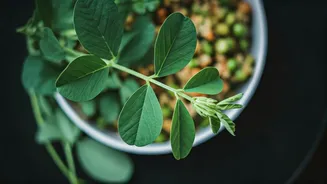
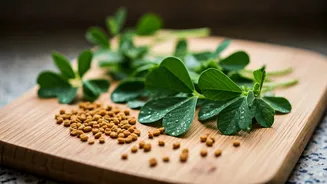
Fenugreek leaves are more than just a flavouring agent; they are packed with essential nutrients. They are an excellent source of vitamins like A, C, and K, which are crucial for immunity, skin health, and bone strength. Furthermore, fresh methi leaves are notably
rich in minerals such as iron and calcium. With approximately 6.5mg of iron per 100g, they are one of the most iron-dense leafy vegetables available, making them particularly beneficial for preventing iron deficiency. The presence of Vitamin C alongside iron is a smart combination by nature, as it significantly enhances the body's ability to absorb this plant-based iron. They are also a good source of dietary fibre, which aids in digestion and promotes a feeling of fullness, potentially helping with weight management.
Tackling the Bitterness
The characteristic bitterness of methi is what gives it a unique flavour profile, but it can sometimes be overpowering. Fortunately, there are simple tricks to mellow it. One popular method is to sprinkle salt over the chopped leaves, let them sit for about 20-30 minutes, and then squeeze out the released water before cooking. This process helps draw out a significant amount of the bitterness. Another effective technique is to use acidity to your advantage by blanching the leaves in hot water with a splash of lemon juice for a few minutes. It’s also wise to use only the leaves and discard the thicker stalks, as they tend to be more bitter. Pairing methi with creamy ingredients like yogurt or coconut milk, or sweet elements like a pinch of sugar, can also balance the flavours in a finished dish.
Beyond the Usual Suspects
While Aloo Methi and Methi Thepla are beloved classics, fenugreek leaves are incredibly versatile. For a nutritious start to your day, finely chop the leaves and add them to your dosa batter, chilla, or omelette. You can stir them into dals towards the end of cooking for a fragrant twist; Methi Dal is a comforting and healthy dish. They also work wonderfully in rice dishes like methi pulao, adding a fresh, herbaceous layer of flavour. For a creative snack, consider making Methi Muthia, which are steamed or fried dumplings, or crispy Methi Pakodas. Even modern dishes can get a smart upgrade; try adding finely chopped methi to bread dough, savoury pancake batters, or blend them into a vibrant chutney.
Smart Selection and Storage
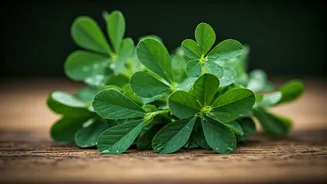
To get the most out of your fenugreek leaves, start by selecting fresh, vibrant green bunches without any yellowing or wilting. Before storing, it's best to separate the leaves from the tough stems. For short-term storage of up to a week, wash and thoroughly dry the leaves. A salad spinner can be very helpful here. Then, place them in an airtight container lined with a paper towel and refrigerate. For long-term use, you have two great options. You can freeze the leaves after blanching them, which preserves their colour and nutrients for several months. Alternatively, you can dry them completely in the sun or a microwave to make homemade Kasuri Methi (dried fenugreek leaves), which can be stored for up to a year in an airtight container and used as a potent finishing herb.