




A Torrent of Tourists
The numbers are impressive by any standard. In the first six months of 2026, more than 600,000 Indian tourists touched down in Singapore, making India one of the city-state's most vital source markets for tourism. This influx isn't just about head count;
it's about economic impact. In the first quarter of 2026, spending by Indian visitors reached S$374 million, an 8% year-on-year increase that represents the highest growth among all of Singapore's source markets. For a nation that has meticulously rebuilt its travel industry, India’s enthusiastic return has been a cornerstone of its recovery, cementing the country as its fifth-largest source of arrivals in 2025 with 1.2 million visitors.
The First-Timer's Checklist
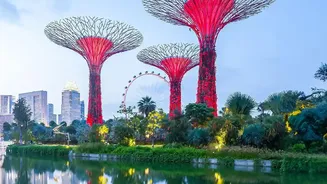
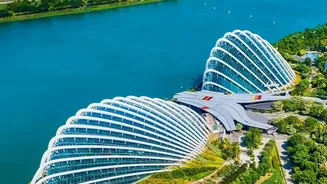
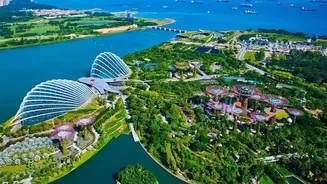
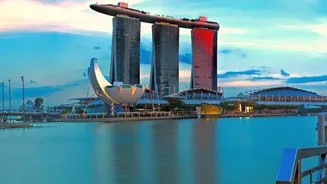
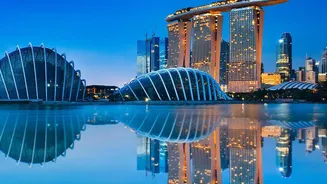
For decades, the appeal for the first-time Indian visitor has been clear and powerful. Singapore offers a perfect, easily digestible blend of hyper-modernity, family-friendly entertainment, and reassuring cleanliness. The classic itinerary often includes marveling at the Supertrees in Gardens by the Bay, snapping a picture with the iconic Merlion, indulging in retail therapy on Orchard Road, and experiencing the thrills of Universal Studios on Sentosa Island. This well-trodden path is a testament to Singapore's success in branding itself as an ideal first international trip for many Indian families. But this very success creates a formidable challenge: the 'been there, done that' phenomenon. Once the checklist is complete, what compelling reason is there to return?
The Challenge of the Second Visit
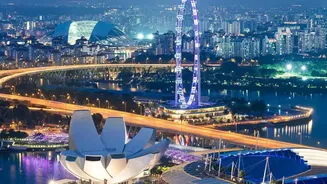
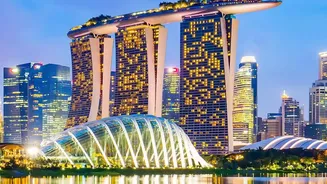
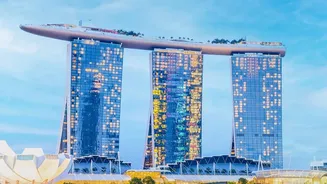
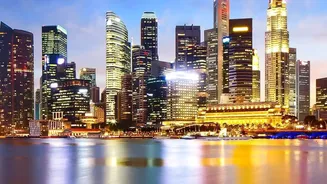
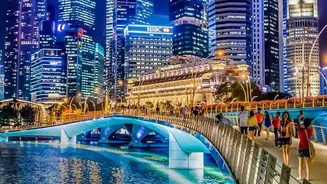
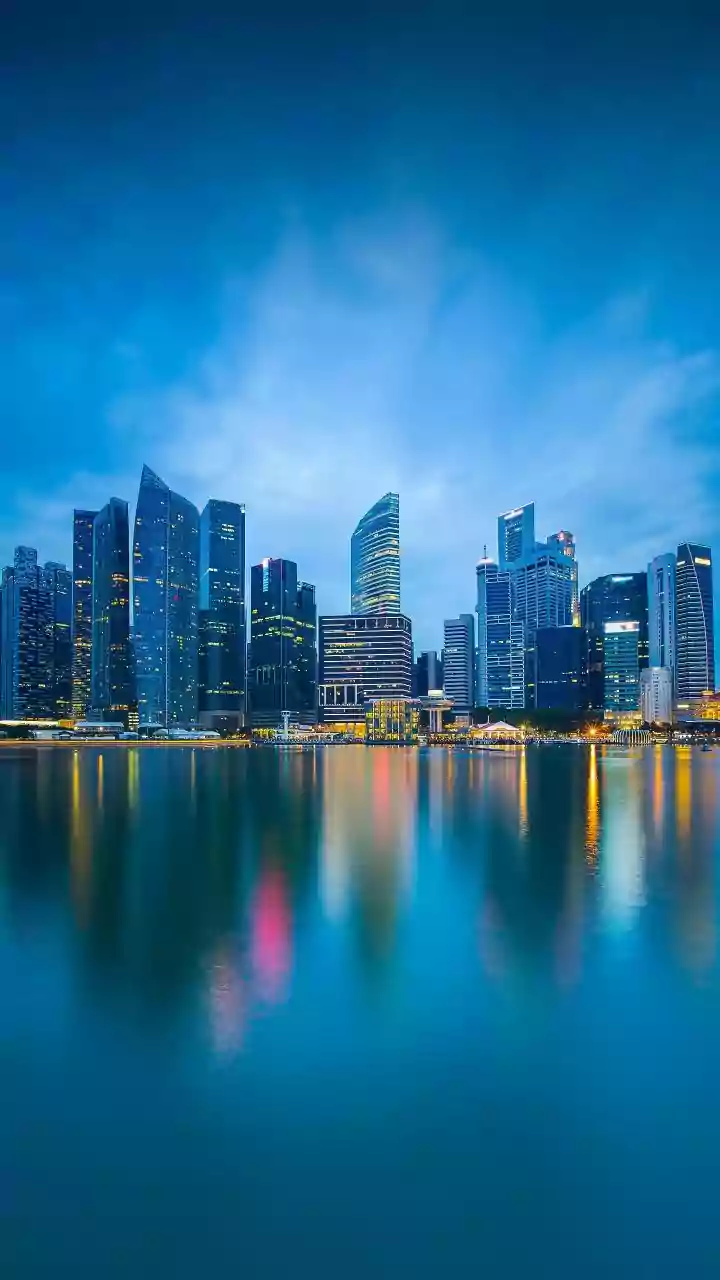
The Singapore Tourism Board (STB) is acutely aware that growth cannot be sustained by first-time visitors alone. The new strategic imperative is to shift from driving awareness to cultivating loyalty and encouraging repeat travel. This means convincing travellers who have already seen the headline attractions that there is more to discover. The goal is to transition Singapore's image from a short-break destination with a fixed set of sights to a multi-layered city with experiences that evolve. The focus is now on quality over mere quantity: encouraging longer stays, higher spending, and a deeper engagement with what the city has to offer beyond the Marina Bay skyline.
A New Strategy for a New Era
To tackle this, the STB is rolling out a multi-pronged strategy. A key element involves deep partnerships with Indian travel giants like MakeMyTrip to promote holiday packages of four nights or more, specifically designed to encourage deeper exploration. There is also a significant push into niche markets. MICE—Meetings, Incentives, Conferences, and Exhibitions—is a major focus, as business travellers often spend more and may return for leisure. Cruise tourism is another pillar, with new itineraries and ships like the Disney Adventure being homeported in Singapore to attract multi-generational family groups for milestone celebrations.
Beyond the Merlion: Fresh Experiences
To give people a reason to return, you need to offer them something new. Singapore is actively investing in new and refreshed attractions. Recent additions include the Rainforest Wild Adventure and Exploria at Mandai Wildlife Reserve, the completely transformed Singapore Oceanarium at Resorts World Sentosa, and the IMBA Theatre at Gardens by the Bay. The strategy also targets younger, affluent travellers from India's Millennial and Gen Z demographics. The global 'We Don't Wait For Fun' campaign positions Singapore as a hub for live entertainment, nightlife, and culture, using collaborations with Indian influencers and artists like rapper DIVINE to showcase a cooler, more dynamic side of the city. An 'always-on' digital initiative featuring content creators continuously showcases evolving experiences, moving beyond periodic campaigns to keep Singapore perpetually fresh in the minds of potential repeat visitors.