

The End of the Traditional 'Off-Season'
For decades, the Indian travel calendar was predictable: winter for sightseeing, summer for escaping to the hills, and monsoon for staying put. The rainy season, from roughly June to September, was considered the definitive 'off-season'. Travel plans
were paused, and tourist spots grew quiet. However, this long-held pattern is rapidly changing. Recent data shows a remarkable surge in monsoon travel, with some platforms reporting a nearly 40% year-on-year increase in domestic vacation searches for this period. Hospitality leaders note that the monsoon is no longer seen as an off-peak period, with July bookings pacing ahead of previous years. This shift suggests that what was once a niche pursuit for intrepid explorers is now a deliberate choice for a growing number of Indian travellers. They are not just tolerating the rain; they are actively seeking the unique experiences it offers.
The Allure of the Rains
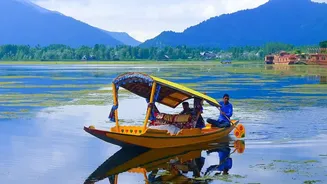
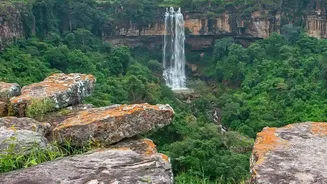
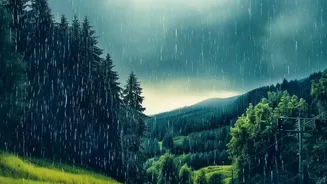
So, what is driving this trend? A major factor is value. With fewer tourists, airlines and hotels often offer significant discounts, with rates dropping by 25-50% compared to the peak season. This makes luxury stays more accessible and budget travel even more affordable. Beyond the savings, travellers are drawn by the promise of fewer crowds at otherwise packed attractions. Imagine exploring Rajasthan's majestic forts or Udaipur's lakes without the usual tourist rush. But perhaps the biggest draw is the landscape itself. The monsoon breathes new life into the country, transforming parched lands into lush, green wonderlands. Waterfalls roar to their full potential, forests become vibrant, and the air feels cleaner and cooler. This sensory-rich experience, from the smell of rain on dry earth to the sight of mist-covered hills, offers a more atmospheric and authentic connection with nature.
India's Monsoon Hotspots
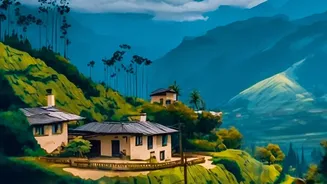
The destinations attracting monsoon travellers are as diverse as India itself. The Western Ghats are a perennial favourite, with hill stations like Lonavala, Mahabaleshwar, Coorg, and Munnar turning into verdant paradises. In Kerala, the backwaters and tea plantations take on a magical quality. While coastal Goa sees its beach shacks close, its lush interiors, spice plantations, and gushing waterfalls like Dudhsagar offer a different, quieter charm. Even the desert state of Rajasthan has become a sought-after monsoon destination, with its lakes filling up and its arid landscapes taking on a surprising green hue. Further north, hill stations like Rishikesh and Mussoorie have seen a massive surge in interest, with travellers seeking wellness and spiritual experiences amidst the cool, misty mountains. For the truly adventurous, the Valley of Flowers in Uttarakhand, which only blooms during this season, offers a once-in-a-lifetime trekking opportunity.
How to Plan Your Rainy-Day Getaway
While monsoon travel is rewarding, it requires some planning. The weather can be unpredictable, leading to travel delays, flooded roads, or landslides in hilly regions. It's crucial to check weather forecasts and road conditions before and during your trip, and to remain flexible with your itinerary. Packing is key: lightweight, quick-drying clothes, waterproof jackets, and sturdy, non-slip footwear are essential. A waterproof bag for your electronics is also a wise investment. Health precautions are important, as the humidity can increase the risk of water-borne diseases and mosquito-borne illnesses. Stick to bottled water and be mindful of where you eat. Despite these challenges, the rise of 'micro-cations'—short, spontaneous trips of 3-5 days—shows that many Indians are finding it easier than ever to plan around their schedules and embrace the rain.