





The Allure and Risks of a Monsoon Getaway
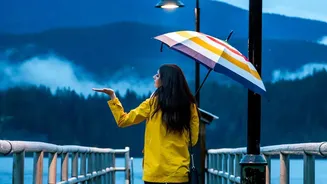
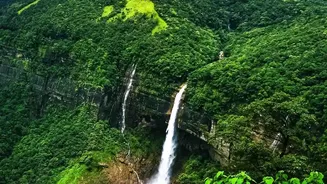
There's a certain romance to experiencing India during the monsoon. The parched earth turns a vibrant green, waterfalls cascade down hillsides in places like Lonavala and Munnar, and the misty landscapes of hill stations offer a cool respite. This has
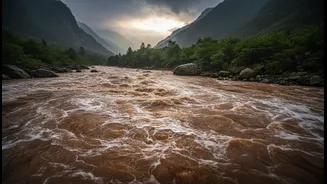
led to a boom in monsoon tourism, with travellers eagerly planning road trips, treks, and quiet stays to soak in the atmosphere. However, this season’s adventure comes with a significant flip side. Heavy rains can trigger a host of problems that can derail a trip in minutes. Landslides and flash floods are common in hilly regions like Himachal Pradesh, Uttarakhand, and parts of the Western Ghats, often leading to road closures that can leave travellers stranded. Beyond these dramatic events, more common issues include waterlogged roads causing traffic chaos, sudden flight and train delays, and an increased risk of water-borne illnesses like dengue.
Where Traditional Insurance Falls Short
Many travellers assume their comprehensive travel insurance policy is a catch-all safety net. Unfortunately, when it comes to monsoon-specific perils, the fine print often tells a different story. A significant number of standard policies contain exclusions for events classified as natural disasters or 'acts of God', which can include floods and landslides. Even when a policy does offer natural disaster coverage, it may not be straightforward. For instance, you typically cannot purchase a policy and be covered for a cyclone or flood that has already been forecast or announced. Furthermore, many standard plans do not cover trip cancellations due to fear of travelling into a rain-affected area; the destination often needs to be officially declared uninhabitable for a claim to be valid. For the more adventurous, there's another gap: high-risk activities like trekking, rafting, or rock climbing are almost always excluded from base policies, requiring specific add-ons for coverage.
The Rise of Flexible and Bite-Sized Insurance
In response to these gaps, a new generation of insurance products is emerging, designed for the specific, short-term needs of modern travellers. Enter 'bite-sized' or 'sachet' insurance. These are low-premium, small-ticket policies that offer targeted coverage for a specific need or duration, often available for purchase digitally with minimal paperwork. Instead of a comprehensive annual plan, a traveller can buy insurance just for a cab ride, a specific trek, or a weekend trip. This model allows for greater flexibility. For example, the optional travel insurance offered with an IRCTC train ticket is a form of sachet insurance. This trend is driven by a desire for relevant, on-demand protection without paying for a bundle of benefits that aren't needed, catering especially to millennials and Gen Z.
Building a Monsoon-Proof Insurance Plan
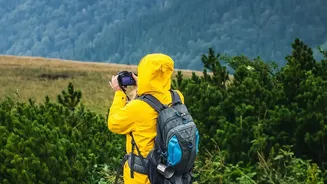
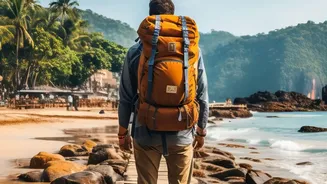
So, how can a traveller prepare for a monsoon adventure? The key is to move away from a one-size-fits-all approach and build a customised safety net. Start by reviewing your base travel policy, paying close attention to the exclusions. For adventure seekers, adding an 'adventure sports rider' is crucial. These add-ons specifically list activities like trekking up to certain altitudes or river rafting and will cover you for injuries sustained during them. Next, look for policies that explicitly cover trip cancellations and interruptions due to weather events and natural calamities. Ensure it includes coverage for medical evacuation, which can be life-saving in remote, rain-affected areas. For frequent domestic travellers, new annual domestic travel plans offer year-round protection for multiple trips, covering everything from flight delays to personal accidents under a single policy.