





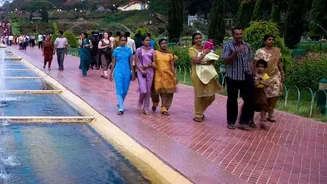

More Than Just a Morning Walk
This isn't your grandfather’s solitary stroll in the park. The new wave of weekend walking groups are organised, social gatherings that are redefining what it means to be active in the city. From heritage walks through historic lanes in Delhi to brisk
paces along Mumbai's promenades, these groups are popping up everywhere. Platforms like Meetup and social media are filled with listings for groups in cities like Pune, Bangalore, and Hyderabad, some boasting thousands of members. They often combine walking with other activities, such as post-walk coffees, photography, or exploring local food, turning a simple exercise into a well-rounded social event. This transforms a basic activity into a shared experience, offering structure and belonging in increasingly fast-paced urban lives.
The Allure of Affordability
A major driver of this trend is its unbeatable price point: free. While a gym membership in a metro city can cost thousands of rupees per month, walking requires nothing more than a good pair of shoes. In an era where boutique fitness classes and high-tech equipment dominate the wellness industry, the simplicity of walking is a welcome relief. It democratises fitness, making it accessible to everyone regardless of income. This movement proves that staying healthy doesn't have to be a costly affair. For many, especially young professionals and students, it's a practical and sustainable alternative to expensive lifestyle choices.
Finding Community, Step by Step
Perhaps the most significant appeal of these groups is the sense of community they foster. In an age of increasing urban isolation, these weekend gatherings serve as vital “third places”—spaces outside of home and work where genuine connections are made. The motivation is as much social as it is physical. Members find accountability partners who ensure they show up, and the conversations during walks help combat loneliness and stress. Many participants report that the social interaction makes the exercise feel less like a chore and more like a fun outing with friends, new and old. This sense of belonging is a powerful motivator, keeping people consistent with their fitness goals.
A Movement for Everyone
The demographics of these walking groups are incredibly diverse. You’ll find young professionals looking to de-stress after a long work week, students, families, and older adults seeking to stay active and social. While running clubs have also seen a boom, they can sometimes feel intimidating to beginners with their talk of pace and timing. Walking groups, by contrast, are inherently more inclusive. They cater to all fitness levels, allowing people to move at a comfortable pace while enjoying the scenery and conversation. This low barrier to entry ensures that anyone who wants to join, can. It’s a trend that bridges generations and brings people from all walks of life together.
How to Join the Movement
Finding a walking group is easier than you might think. Social media platforms like Facebook and Instagram are great places to start; simply search for walking groups or clubs in your city. Apps like Meetup are specifically designed to connect people with local groups based on their interests, and you'll find dozens of walking and hiking communities there. Don't underestimate the power of local community centres or even online neighbourhood forums. Many groups start informally among neighbours. If you can’t find a group that fits your schedule or style, consider starting your own. All it takes is inviting a few friends or neighbours for a weekend walk and letting the community grow from there.